

Understanding the Realistic Capabilities of AI in Task Automation
In the realm of automation, it is indeed crucial to critically analyze the practical boundaries of AI technologies rather than succumbing to exaggerated expectations. While AI excels in handling repetitive, rule-based processes, its strength diminishes in tasks demanding nuanced judgment, emotional intelligence, or creative problem-solving. A thoughtful assessment involves recognizing the type of task at hand and understanding how AI systems can be integrated optimally. Some key considerations include:
- Task complexity: Simple,well-defined tasks such as data entry or basic pattern recognition are prime candidates for automation.
- Benefit Realization: Efficiency gains and error reduction must be weighed against initial investment and ongoing maintenance costs.
- Error Propagation: Unlike humans, AI may replicate consistent errors if models are not properly trained or updated, risking systemic failures.
Balancing automation benefits with limitations involves careful cost-benefit analysis. companies should not only estimate tangible savings but also account for indirect costs such as employee training, system downtime, and potential customer dissatisfaction due to misinterpretations or faulty outputs. The table below summarizes typical task categories along with their automation feasibility and associated risks, offering a snapshot to guide strategic decisions.
| Task Type | Automation Feasibility | Possible Risks |
|---|---|---|
| Data processing | high | Low error margin, but must ensure data quality |
| Customer Interaction | Moderate | Miscommunication, lack of empathy |
| Strategic Planning | Low | Oversimplification, lack of adaptability |
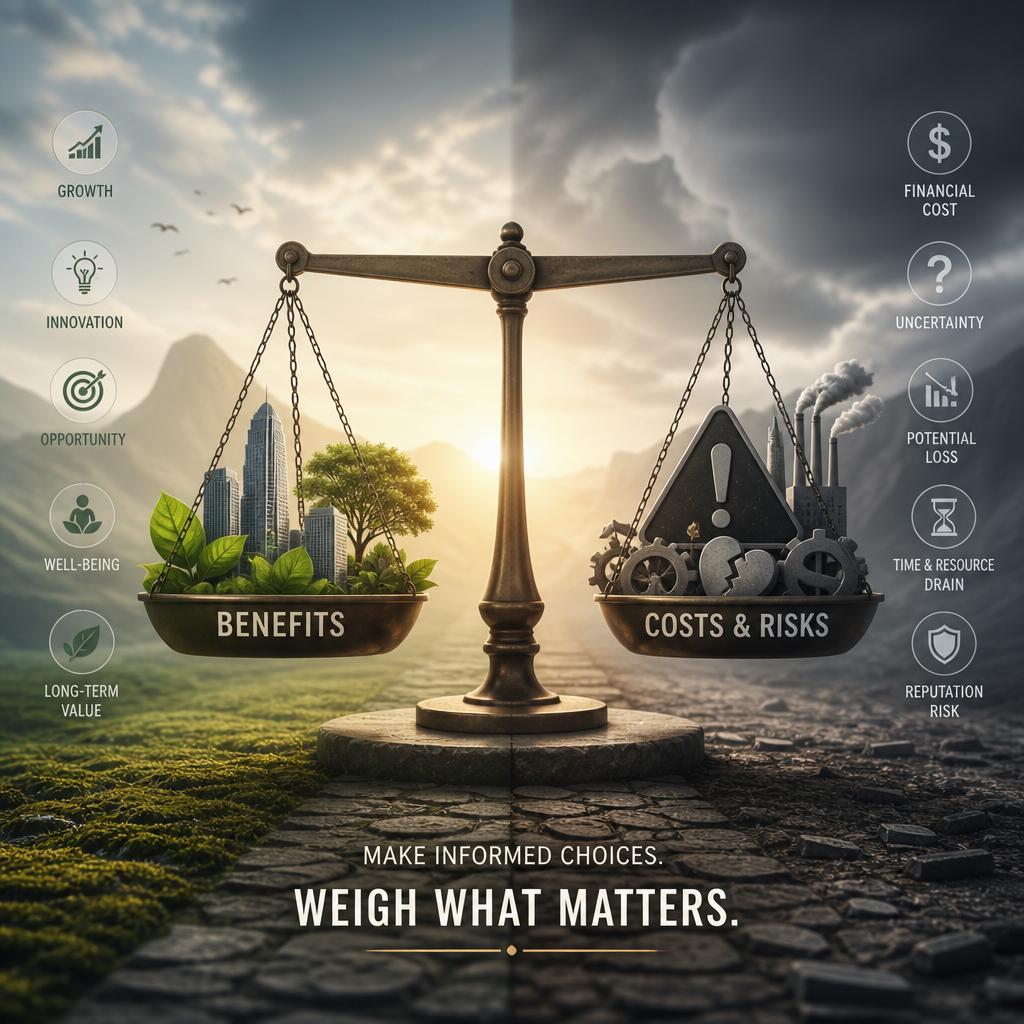
Evaluating the Tangible Benefits Against Potential Costs and Risks
When weighing the adoption of AI technologies, it is critical to identify clear advantages that justify the investment. Tangible benefits frequently enough manifest as:
- Increased operational efficiency through automation of repetitive tasks.
- Reduction in human error in data processing and decision-making.
- Enhanced analytical capabilities enabling better business insights.
- Cost savings stemming from faster turnaround times and resource optimization.
Tho, alongside these benefitsorganizations must remain vigilant against hidden costs and risks that can erode value or even cause failure.These include:
- Upfront and ongoing expenses related to AI development, integrationand maintenance.
- Potential biases and inaccuracies in AI models leading to flawed outputs or unfair outcomes.
- Security vulnerabilities that may expose sensitive data.
- Change management challenges including employee resistance and skill gaps.
| Aspect | Potential Benefit | Associated Risk/Cost |
|---|---|---|
| Automation | Time savings | Loss of critical human oversight |
| Data Analysis | Improved accuracy | Data bias leading to errors |
| Cost | Lower long-term expenses | High initial investment |
| User Acceptance | Better productivity | Employee pushback |
This balanced examination facilitates informed decision-making, ensuring organizations adopt AI where it enhances value and mitigate risks effectively instead of succumbing to overhyped expectations.
Identifying Common Errors and Limitations in AI Implementation
AI implementation often stumbles over a series of common pitfalls that can derail even the most promising projects. one major stumbling block is the overestimation of AI’s capabilities, which leads to unrealistic expectations. Many organizations fail to recognize that AI systems depend heavily on the quality and quantity of data fed into themand without this foundation, algorithms can produce inaccurate or biased outputs. Furthermore, incomplete understanding of AI’s limitations-such as inability to explain certain decisions or struggles with context-undermines trust and usability. Equipping teams with knowlege on these aspects is crucial to prevent costly missteps during deployment.
In addition to technology itself, operational challenges also contribute to AI errors. Processes like data preprocessing and model training are vulnerable to human error, often compounded by inadequate monitoring and adjustment post-launch. Consider the following key areas where errors frequently arise:
- Data bias and imbalance affecting fairness and accuracy
- Overfitting models leading to poor generalization
- Insufficient integration with existing business workflows
| Error Type | Impact | Mitigation Strategy |
|---|---|---|
| Data Bias | Distorted insights, reputational risk | Diversify datasets, ongoing audits |
| Overfitting | Poor real-world performance | Cross-validation, regularization |
| Process Gaps | Adoption delays, increased costs | Collaborative workflow design |
By systematically recognizing these common errors and embedding realistic limitations into implementation plans, organizations can make informed decisions that balance enthusiasm for AI with practical considerations of cost and benefit.
Strategic Recommendations for Balancing AI Integration with Human Oversight
Prioritize task assessment before implementing AI systems. Not all tasks benefit equally from automation; some require nuanced judgment and human empathy that AI cannot replicate. Conduct a thorough evaluation of tasks based on complexity, frequency, and the potential for AI to reduce workload without compromising quality. This ensures that AI is used where it is most effective, avoiding needless investments and preventing overreliance on technology that may introduce errors or degrade user experience.
- Evaluate benefits carefully: Consider efficiency gains, accuracy improvementsand scalability.
- Calculate costs: Include development, integration, maintenanceand personnel training expenses.
- Anticipate error types: Understand risks of AI misinterpretations and develop mitigation strategies.
| Factor | Human Oversight Role | AI Contribution |
|---|---|---|
| Decision Complexity | Critical reasoning & ethics | Data analysis & pattern recognition |
| Task Frequency | supervise routine checks | Automate repetitive & high-volume tasks |
| error Handling | Intervene on exceptions | Flag anomalies for review |
Balancing AI integration with vigilant human oversight is key to lasting success. Define clear governance frameworks that delineate roles, responsibilitiesand escalation protocols to avoid blind trust in AI outputs. human experts must remain actively engaged to verify AI decisions, provide contextual insights, and steer corrective actions when deviations occur. By embedding structured feedback loops and openness mechanisms, organizations can harness AI’s power while preserving accountability and trustworthiness.