
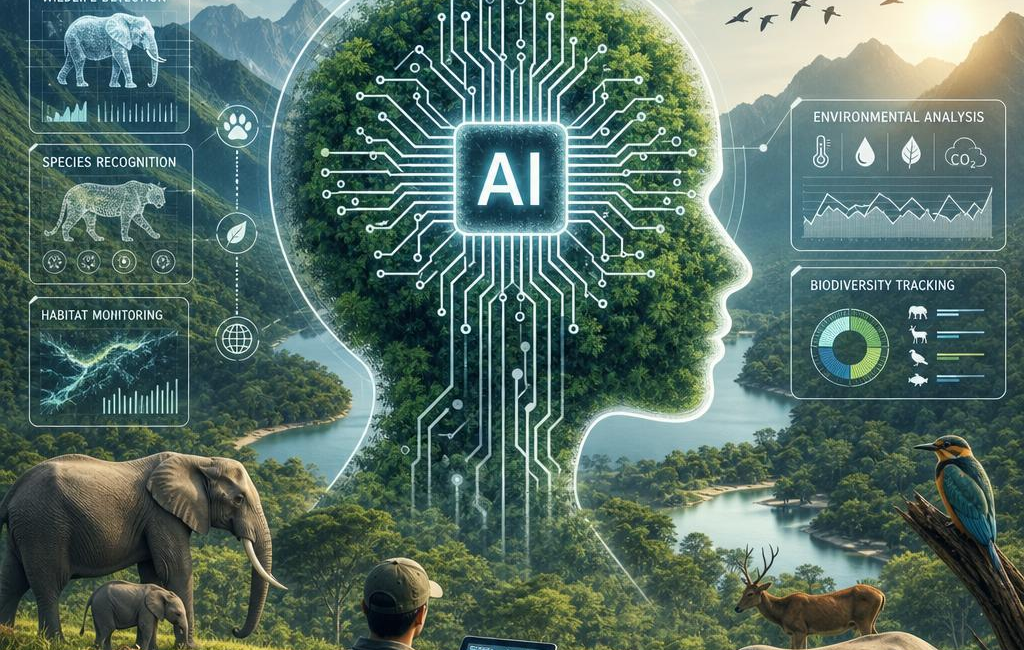
AI Technologies Transforming Wildlife Monitoring and Data Collection
Advanced AI technologies have revolutionized the way conservationists monitor wildlife and collect environmental data. Machine learning algorithms now enable the automated recognition and tracking of species through camera trap images and acoustic recordings, significantly increasing the efficiency and accuracy of data gathering. By processing vast datasets, AI detects subtle behavioral patterns and rare events that might be missed by human observers, providing critical insights into animal populations and habitat health.
Key innovations include:
- Computer Vision: Identifies species, counts individuals, and monitors movements in real-time.
- Acoustic Monitoring: Analyzes soundscapes to detect bird calls, amphibian choruses, and other wildlife vocalizations.
- Drones and Satellites: Equipped with AI-powered sensors to survey large or inaccessible areas efficiently.
| Technology | Main Application | Benefit |
|---|---|---|
| Deep Learning | Species Identification | High accuracy, reduces manual sorting |
| AI Acoustic Analysis | Vocalization Detection | Non-invasive, captures hidden activity |
| AI-Enabled Drones | Habitat Surveys | Access remote locations, real-time data |
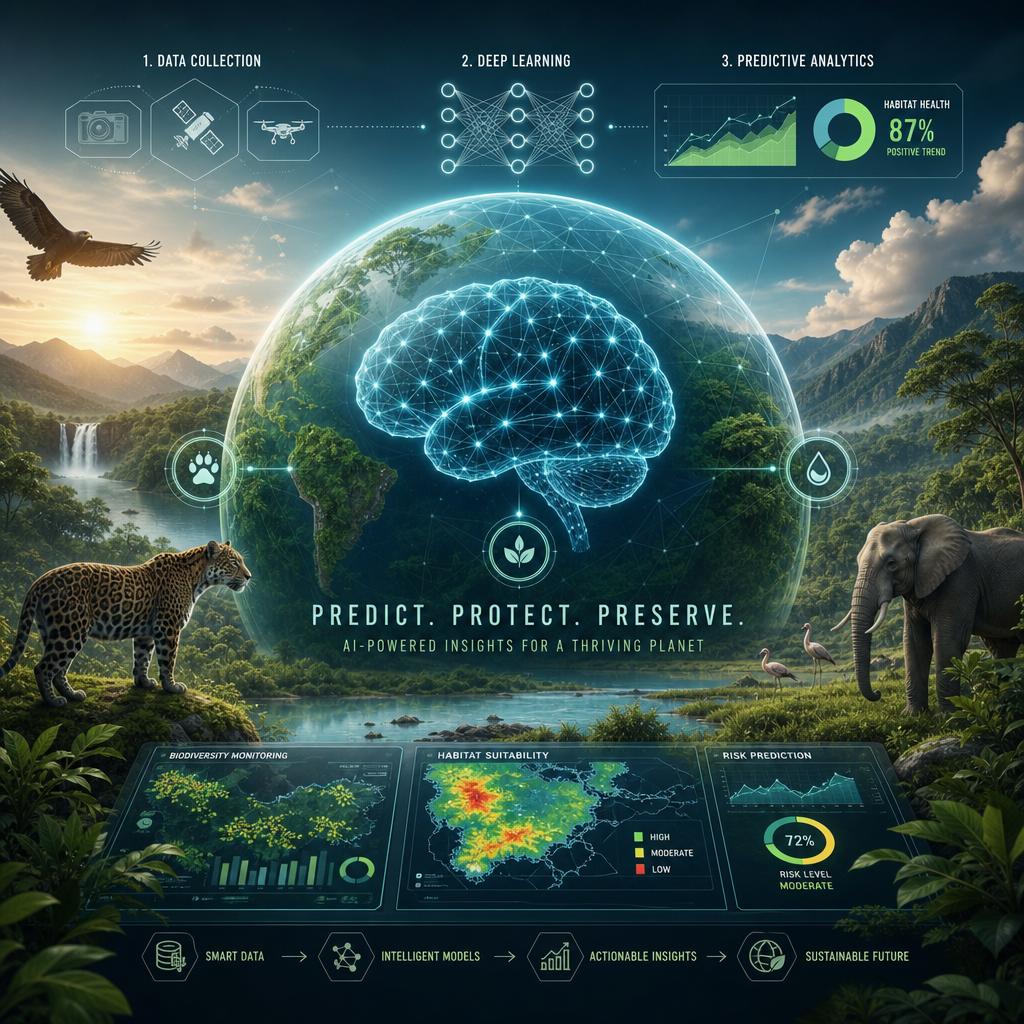
Deep Learning and Predictive Analytics in Habitat Preservation
Modern conservation efforts have embraced advanced neural networks that decode vast environmental and biological data, transforming how we understand ecosystems. Through deep learning, models can predict species migration, population changes, and even detect early signs of habitat degradation. This predictive capability empowers conservationists to deploy resources with pinpoint accuracy,enabling interventions before environmental damage becomes irreversible.
Key applications of predictive analytics in habitat preservation include:
- Real-time monitoring of endangered species populations using automated image and acoustic recognition
- Climate impact forecasting to anticipate shifts in vegetation and water sources
- Optimizing protected area boundaries based on predicted animal movement patterns and threat levels
| Application | Data Sources | Outcome |
|---|---|---|
| wildlife Population Estimation | Satellite imagery, camera traps | Accurate census data in real-time |
| Habitat Health Prediction | Climate sensors, soil samples | Early warnings for ecological stress |
| Threat Detection | Drone surveys, social media reports | Rapid response to poaching and deforestation |
Overcoming Challenges in Implementing AI for conservation Efforts
Deploying artificial intelligence in wildlife conservation presents a multitude of obstacles that range from technical limitations to ethical considerations. Data collection in remote or harsh environments ofen results in incomplete or low-quality datasets, which can hamper the development of reliable AI models. Additionally, the computational power required to process vast amounts of environmental data can strain available resources. Collaboration between ecologists, technologists, and policymakers is crucial to navigate these hurdles effectively. Establishing robust data-sharing protocols and investing in scalable infrastructure are essential steps to ensure AI tools deliver meaningful insights without compromising the delicate ecosystems they aim to protect.
Key challenges include:
- Data Scarcity: Limited or biased data samples from endangered species or fragile habitats.
- Algorithmic Bias: Risk of AI models reinforcing existing ecological misconceptions without proper validation.
- Ethical Dilemmas: Balancing invasive monitoring techniques with animal welfare.
- Resource Constraints: High costs related to cloud computing and specialized hardware for real-time analysis.
| challenge | Mitigation Strategy | Expected Outcome |
|---|---|---|
| Incomplete Data | Deploy edge AI devices for localized data collection | More accurate and real-time observations |
| Computational Limits | Utilize cloud-based platforms with scalable resources | Efficient processing of large datasets |
| ethical Concerns | Adopt non-invasive sensors and collaborate with ethicists | Respectful treatment of wildlife |
Strategic recommendations for Integrating AI into Wildlife Protection Policies
To fully leverage artificial intelligence in wildlife protection, policymakers must prioritize the integration of AI-driven data analytics with existing conservation frameworks. Emphasizing collaborative platforms where AI tools interface seamlessly with ranger operations and ecological research ensures a more responsive and adaptive management system. This approach includes developing policies that mandate real-time data sharing between governmental agencies and conservation NGOs,harnessing AI’s predictive capabilities to preempt poaching or habitat destruction events. Additionally, fostering AI literacy among wildlife managers and decision-makers enhances policy execution and innovation adoption.
Strategic guidelines should also advocate for ethical AI applications that respect both animal welfare and local community interests. Implementing rigorous transparency standards in AI algorithms will build trust and accountability, mitigating risks such as surveillance overreach or data misuse. Consider the balance of technology and human insight as summarized in the table below:
| Focus Area | AI Contribution | Human Role |
|---|---|---|
| Monitoring | Automated detection via drones and sensors | Interpreting complex environmental changes |
| Data Analysis | Large-scale pattern recognition | Contextual decision making & field validation |
| Enforcement | Real-time alerts and predictive analytics | On-ground response and community engagement |