

The Strategic Integration of AI in Modern Workflows
Organizations today are embracing a profound shift - reconstructing their workflows to leverage AI’s distinct capabilities rather than just inserting it as an add-on tool. This transition demands a holistic approach where AI becomes embedded in decision-making processes, communication channelsand task automation. Key strategic moves include:
- Identifying repetitive or data-intensive tasks ripe for AI-driven automation, freeing human resources for higher-level work.
- Redefining roles and responsibilities to harmonize human intuition with AI’s analytical power.
- Building adaptive feedback loops that use AI insights to continuously refine and optimize operational procedures.
Such integration cultivates not only efficiency but also innovation.Teams equipped with AI-augmented workflows benefit from accelerated problem-solving and enhanced creativity,supported by insights drawn from vast data sets in real time. Consider this simple comparison of traditional versus AI-transformed workflows:
| Aspect | Traditional Workflow | AI-Integrated Workflow |
|---|---|---|
| Decision-making Speed | Manual data review, slower execution | Instant data processing and recommendations |
| Task Allocation | Fixed roles, rigid task division | Dynamic role shifts based on AI insights |
| Innovation cycle | Periodic reviews and updates | Continuous learning and adaptation |
By structurally embedding AI into workflows, businesses reclaim agility and anticipate market changes with precision, turning artificial intelligence from an experimental technology into a core operational advantage.
Enhancing Efficiency and Decision-making Through AI Automation
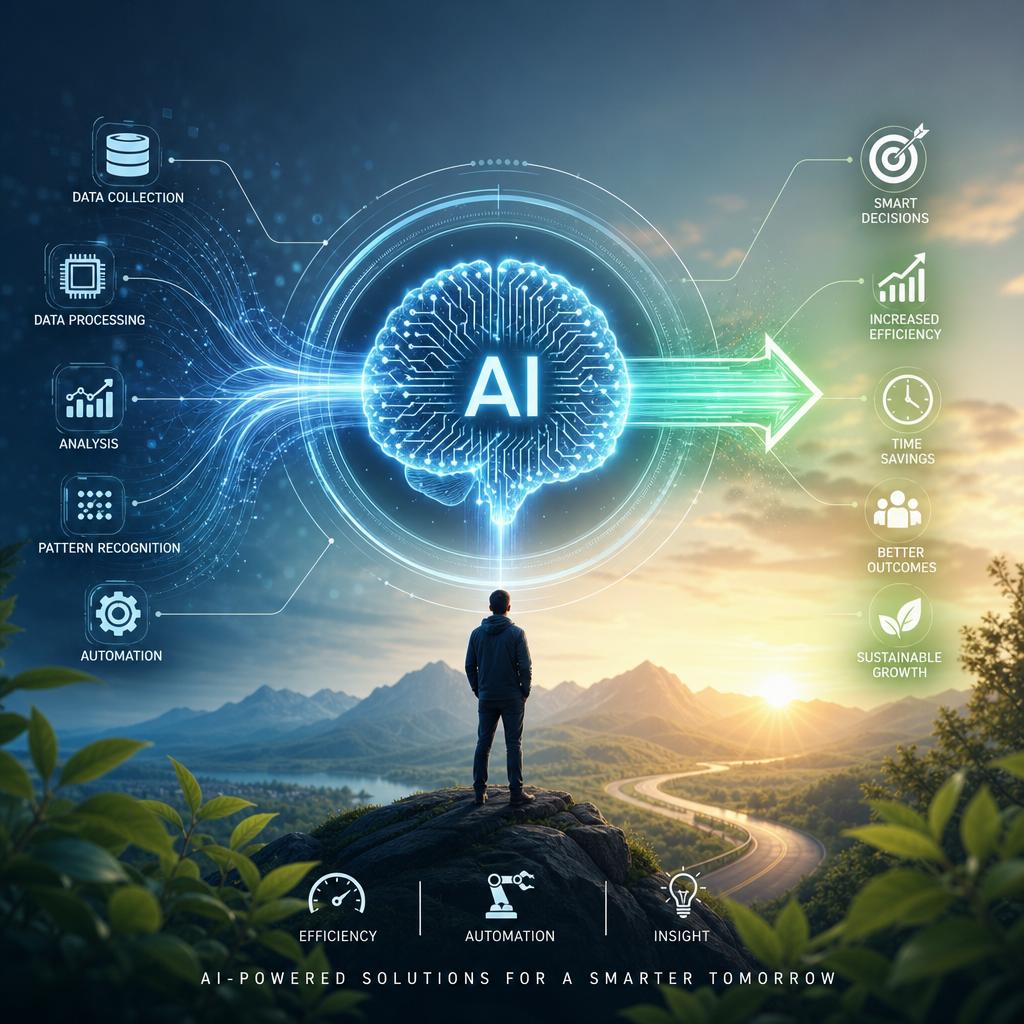
Integrating AI automation into business processes revolutionizes the way organizations operate by dramatically boosting efficiency. Manual tasks that once drained valuable time can now be completed in a fraction of the time with reduced errors.This automation extends beyond simple routine activities – it encompasses complex workflows such as data analysis, customer engagementand predictive maintenance. By leveraging AI’s capability to process vast datasets swiftly,companies can identify trends and patterns that would otherwise remain hidden,enabling faster and more informed decision-making.
Key benefits of AI-driven workflow transformation include:
- Accelerated data processing: AI systems can analyze millions of data points simultaneously, providing real-time insights.
- Enhanced accuracy: Automation reduces human error, leading to more reliable outputs and improved compliance.
- agile decision-making: with actionable intelligence at their fingertips, teams can pivot quickly in response to market changes.
- Cost optimization: Streamlining tasks frees up human resources to focus on strategic initiatives, reducing overhead.
| Aspect | Before AI Automation | After AI Automation |
|---|---|---|
| Time to Analyze Data | Days to weeks | Minutes to hours |
| Error Rate | High | minimal |
| Decision Speed | Slow, reactionary | Fast, proactive |
| Employee focus | Repetitive tasks | Creative problem-solving |
Overcoming Challenges in AI-Driven Workflow Transformation
Integrating AI into existing workflows is rarely straightforward. One of the primary hurdles is cultural resistance, where employees may fear job displacement or distrust automated processes. Addressing these concerns requires obvious communication and active involvement of team members in the transformation journey. Additionally, the technical challenge of aligning AI capabilities with current systems necessitates a flexible architecture that supports seamless data flow and interoperability.Without this adaptabilityorganizations risk creating silos or friction points that undermine efficiency benefits expected from AI.
To navigate these obstacles effectivelyorganizations should focus on strategic adaptation rather than ad hoc fixes. This includes investing in upskilling initiatives that empower personnel to work alongside AI tools confidently,and establishing clear metrics to evaluate performance improvements post-integration. Moreover, fostering a collaborative cross-functional approach ensures that AI solutions are not developed in isolation but tailored to actual operational needs.
- Transparency: Communicate AI’s role and impact clearly.
- Adaptability: Build adaptable infrastructures supporting AI integration.
- Skill Growth: Train staff for enhanced AI collaboration.
- Performance Metrics: Use data-driven KPIs to measure success.
| Challenge | Solution | Outcome |
|---|---|---|
| Cultural Resistance | engagement & transparent dialog | Greater acceptance & smoother adoption |
| Technical Incompatibility | Modular, scalable architecture | Efficient data integration |
| Skill Gaps | Targeted training programs | Empowered workforce |
Best Practices for Sustaining AI-Enabled Organizational Change
Maximizing the potential of AI within an institution requires more than just initial deployment; it demands a sustained commitment to adaptation and learning. Embedding AI into daily workflows means fostering a culture where continuous feedback loops drive iterative improvements. Empower teams to experiment with AI tools and regularly assess outcomes, ensuring alignment between AI capabilities and evolving business objectives. Transparency is key-clearly communicate how AI impacts decision-making processes,and actively involve employees in identifying new opportunities for automation or augmentation.
furthermore, organizations should implement robust governance structures that balance innovation with ethical considerations and risk management. This includes establishing multidisciplinary committees tasked with monitoring AI performance, data integrityand compliance standards. The following table highlights core dimensions and actionable strategies to maintain AI-driven transformation momentum:
| Dimension | Key Strategy | Benefit |
|---|---|---|
| Continuous Learning | Regular training programs and AI literacy workshops | Enhanced workforce adaptability |
| Governance | Cross-functional oversight committees | Risk mitigation and ethical compliance |
| feedback Culture | Structured channels for sharing AI impact insights | Accelerated workflow optimization |