

AI Scriptwriting Techniques for Effective Outlining and Story Development
Harnessing AI in scriptwriting transforms the traditionally labor-intensive process of outlining and story development into a more dynamic, iterative practice. by leveraging AI-driven tools, writers can quickly generate layered plot outlines that adapt to evolving narrative needs. these systems assist in identifying key story beats and character arcs through data-driven analysis, ensuring every element advances the overall theme. Crucial techniques include:
- Using AI to create multiple outline versions rapidly, facilitating experimentation with plot twists and pacing.
- Employing neural networks for predictive narrative flow, which can anticipate potential story inconsistencies or gaps.
- Incorporating AI suggestions to refine character motivations and enhance emotional resonance.
Moreover, AI enhances story development by enabling writers to visualize structural components with clarity. This not only streamlines the creative process but also elevates the complexity and cohesiveness of the script. The following table highlights common pitfalls AI can definitely help overcome in story structuring and the benefits of addressing them effectively:
| Common Script Challenges | AI-Supported Solutions | Impact on Story Quality |
|---|---|---|
| Fragmented plot progression | Outline optimization algorithms | streamlines narrative flow |
| Flat character development | Character arc simulation | Enhances depth and relatability |
| Inconsistent tone or pacing | Tone and rhythm analytics | Maintains audience engagement |
By integrating these AI-driven approaches into the scriptwriting workflow, creators are empowered to build richer, more compelling stories with structural integrity and nuanced dialog, setting a new standard in narrative craftsmanship.
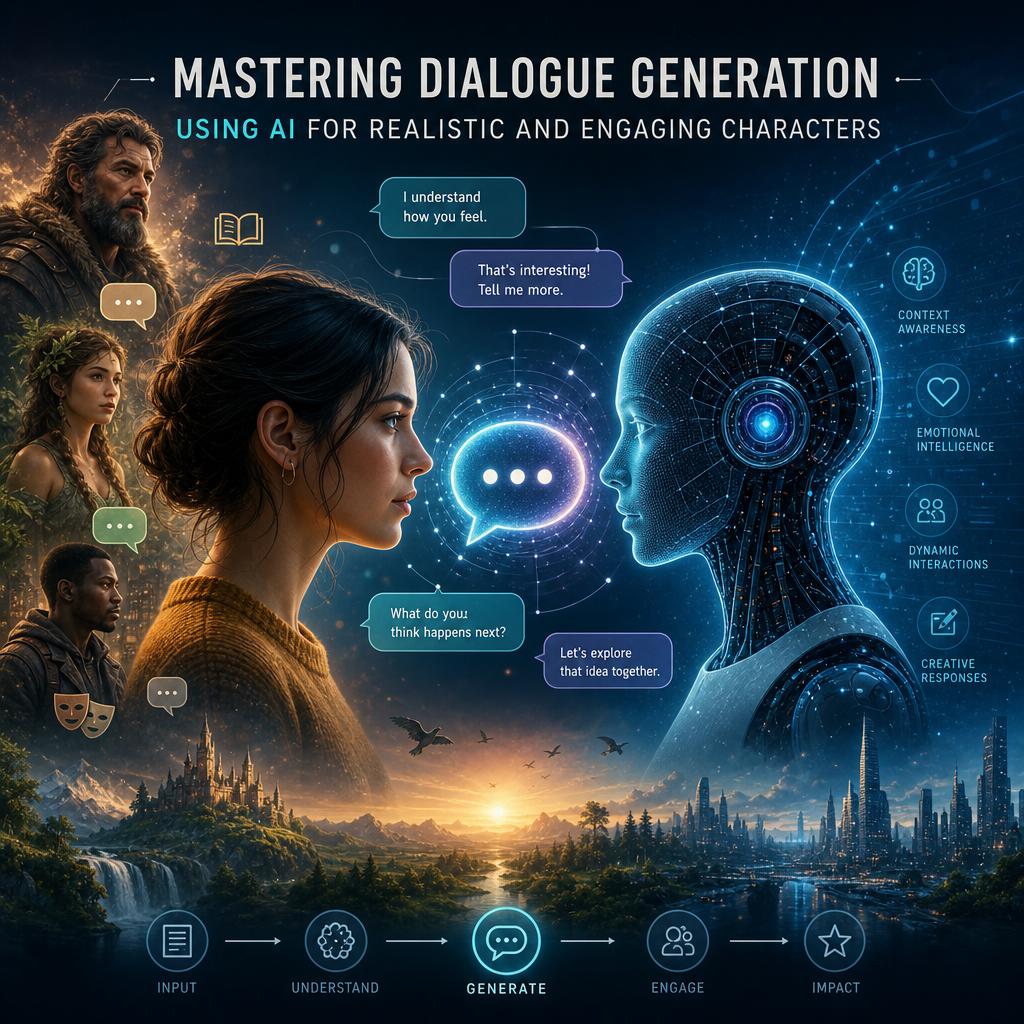
Mastering Dialogue Generation Using AI for Realistic and Engaging Characters
Creating lifelike and compelling characters through dialogue is an art that AI is rapidly transforming. By leveraging advanced natural language processing models, writers can generate conversations that capture unique voices, emotional depthand nuanced personality traits.The key to mastering AI-driven dialogue generation lies in harnessing algorithms that understand context,subtext,and variability,ensuring that characters don’t just speak-they resonate. Embedding subtle emotional cues and cultural references allows dialogue to feel organic and immersive while enhancing character authenticity.
To fine-tune AI for dialogue that truly engages audiences, consider these essential techniques:
- Context Awareness: Train AI models on genre-specific scripts to enhance relevance and tone accuracy.
- Character Profiles: Utilize detailed character dossiers including background, motivationsand speech patterns for consistent voices.
- Dynamic Interaction: Implement branching dialogue trees that respond to user choices or plot developments.
- Emotion Integration: Embed sentiment analysis to reflect realistic emotional shifts within conversations.
| Technique | Benefit | Example |
|---|---|---|
| Context Awareness | Improves tone and situational relevance | Using AI to mimic noir detective dialect in mystery scripts |
| Character Profiles | Ensures consistent and believable speech | Building a hero’s distinct formal vs. casual speech patterns |
| Dynamic Interaction | Enhances audience engagement with interactive narratives | Dialogue changes based on player’s in-game choices |
| Emotion Integration | Conveys authentic emotional responses during scenes | Sadness or anger subtly altering sentence structure and tone |
structuring Screenplays with AI Tools to Enhance Narrative Flow and Pacing
Employing AI tools in screenplay structuring allows writers to craft narratives that maintain a compelling rhythm without losing clarity or depth. These technologies analyse the storyline’s natural beats, suggesting scene placements and transitions that keep the audience engaged. By automating structural checks, writers can ensure that each act fulfills its dramatic purpose, whether setting up intrigue, escalating conflictor delivering resolution. The AI’s ability to rapidly reorganize plot points facilitates experimentation with pacing, granting screenwriters agile control over narrative flow.
Key Benefits of AI-assisted screenplay structuring include:
- Real-time feedback on scene length and pacing balance
- Automated identification of structural weaknesses or redundancies
- Enhanced capacity to align story arcs with classical screenwriting frameworks
- Streamlining collaborative revisions through shared AI-generated outlines
| Screenwriting phase | AI Contribution | Outcome |
|---|---|---|
| Outline Development | Structure optimization suggestions | Clear, coherent narrative pathways |
| Scene Arrangement | Dynamic pacing adjustments | Balanced tension and release |
| Dialogue Integration | Context-driven tone modulation | Authentic character voice and flow |
Best Practices for Integrating AI into the Professional Scriptwriting Workflow
Integrating AI into your professional scriptwriting workflow requires a strategic approach to maximize efficiency and maintain creative integrity. Start by employing AI tools during the outlining phase to generate structured story arcs,establish pacing,and identify plot gaps. These systems excel at creating comprehensive scene breakdowns, helping writers visualize the overall narrative flow before delving into detailed scripting. Additionally, AI can assist in iterating multiple versions quickly, offering fresh perspectives on character development and thematic consistency. To truly benefit, ensure human oversight by critically evaluating AI suggestions and adapting them to the unique voice and intent of your script.
When focusing on dialogue and structure, AI’s ability to analyze language patterns and character interplay is invaluable. Utilize AI-generated dialogue drafts as a foundation, refining tone and emotional authenticity through careful editing to preserve nuance and distinct voices. To maintain coherence across scenes and acts, consider employing AI to track character arcs, timelinesand setting details in a dynamic reference table during revision:
| Character | Key Trait | Arc Progression | Setting Impact |
|---|---|---|---|
| Avery | Resourceful | Self-revelation | Urban chaos |
| Jesse | Stoic | Redemption | Rural isolation |
| Rina | impulsive | Loyalty tested | Corporate tension |
By combining AI’s analytical rigor with human creativity, scriptwriters can streamline the drafting process while preserving the depth and authenticity essential to compelling storytelling.