
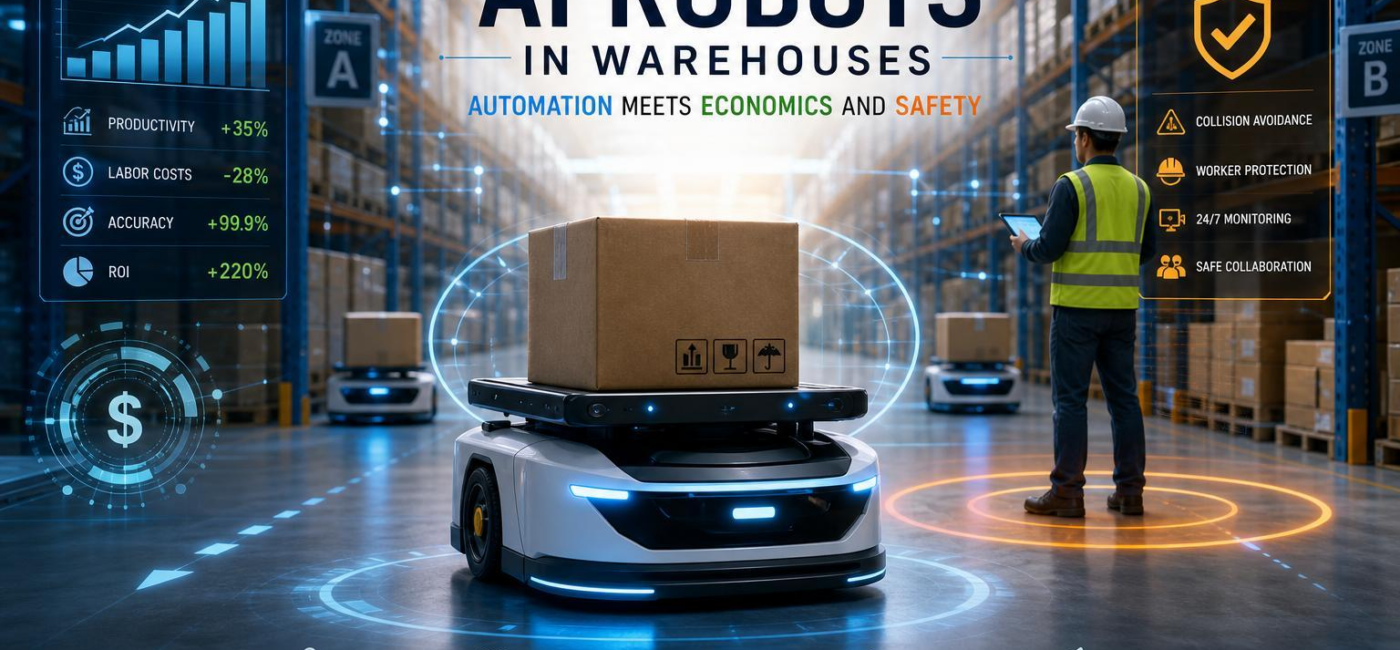
AI Robots Transforming Warehouse Efficiency and Cost Management
Innovations in artificial intelligence have ushered in a new era for warehouse management by enhancing operational speed and precision. AI-driven robots excel at repetitive and physically demanding tasks such as sorting, packing, and transporting goods, drastically reducing human error and fatigue-related slowdowns. Their ability to analyze real-time data and adjust their activities accordingly leads to optimized workflows that minimize delays and improve throughput. Teh integration of these robots also fosters safer environments by automating hazardous jobs, thereby lowering accident rates and improving overall workforce well-being.
Key advantages brought by AI robots include:
- Cost Reduction: Minimizing labor costs and cutting down on waste through precise inventory handling.
- Increased Accuracy: Enhanced scanning and tracking capabilities reducing shipping errors by up to 90%.
- scalability: Easily reprogrammable robots to adjust for seasonal demand fluctuations without additional training costs.
- 24/7 Operation: Continuous workflow without the limitations of human fatigue or shift changes.
| Efficiency Metric | Before AI Robots | After AI implementation |
|---|---|---|
| Order Processing Time | 48 hours | 12 hours |
| Inventory Accuracy | 85% | 98% |
| Labor Costs | High | Reduced by 35% |
| Safety incident Rate | Moderate | Reduced by 60% |
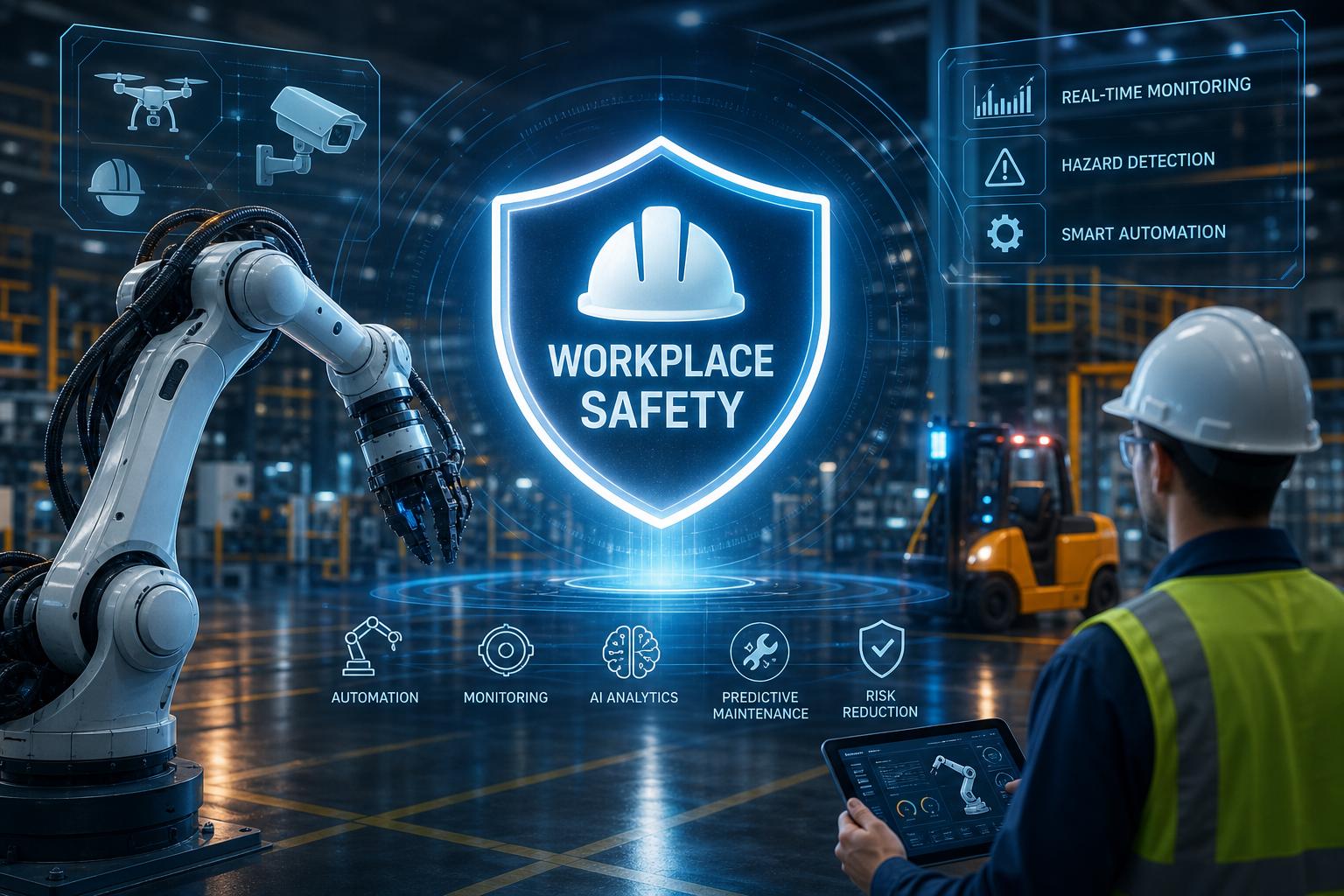
Enhancing Workplace Safety Through Advanced Automation Technologies
Modern warehouses are rapidly evolving, leveraging advanced automation technologies to create safer and more efficient environments. The integration of AI-powered robots helps mitigate common workplace hazards by performing repetitive and high-risk tasks such as heavy lifting, inventory sorting, and hazardous material handling. These smart systems are designed not only to optimize workflow but also to drastically reduce accident rates by minimizing human exposure to dangerous conditions. The seamless collaboration between humans and robots fosters a culture of safety where potential risks are identified and addressed in real-time.
Key benefits of employing AI robots in warehouse safety include:
- Real-time hazard detection: Sensors and AI algorithms monitor the surroundings to prevent accidents.
- Consistent task execution: Robots perform jobs with precision, reducing human errors.
- Enhanced ergonomics: Robots eliminate strain-related injuries by handling physically demanding tasks.
- Continuous safety compliance: Automated systems ensure adherence to industry safety protocols.
| automation Feature | Safety Impact | Economic Benefit |
|---|---|---|
| Automated Guided Vehicles | Reduce collisions and pedestrian accidents | Lower operational costs via reduced delays |
| Robotic Arms | Prevent repetitive strain injuries | Increase throughput and accuracy |
| AI Monitoring Systems | Immediate response to hazards | Minimize downtime through predictive maintenance |
Optimizing Supply Chain Operations with Intelligent Robotics Integration
Integrating intelligent robotics into warehouse operations revolutionizes the core logistics framework by dramatically enhancing efficiency and accuracy. These AI-driven systems excel at repetitive and time-consuming tasks such as sorting, packing, and inventory management, ensuring consistent precision that minimizes human error.Their seamless interaction with warehouse management software allows real-time data collection and predictive analytics, enabling proactive decision-making that optimizes stock levels and reduces downtime. By automating labor-intensive processes, businesses can achieve significant cost savings while boosting throughput and responsiveness to market demands.
Key benefits of AI robotics integration include:
- Enhanced operational safety by reducing manual handling of heavy or hazardous items.
- Improved space utilization through optimized storage and retrieval algorithms.
- Continuous 24/7 functionality without fatigue, maximizing productivity.
| Factor | Conventional Method | AI robotics Integration |
|---|---|---|
| Processing Speed | Moderate | High |
| Error Rate | 5-7% | Under 1% |
| Safety Incidents | Occasional | Rare |
| Cost Efficiency | Baseline | Significant Advancement |
Strategic Implementation Guidelines for Maximizing ROI in Automated Warehousing
To unlock the full potential of AI-powered robotics in warehousing, targeted and well-structured deployment plans are essential. start by conducting a thorough analysis of current workflows to identify bottlenecks and repetitive manual tasks best suited for automation.Emphasizing incremental integration rather than wholesale replacement allows warehouses to mitigate risk, manage operational transitions smoothly, and optimize capital expenditure. Prioritizing key metrics such as throughput improvement, error reduction, and downtime avoidance ensures that automation yields tangible, measurable returns.
Equally critical is fostering an ecosystem where technology and human labor complement each other.This involves thorough staff training on collaborative robot operation and maintenance, boosting both safety and operational efficiency. Consider the following essential strategic elements:
- Customizable AI workflows: Adapt robotic tasks dynamically to shifting inventory demands and seasonal peaks.
- Integration with warehouse management systems: Seamless data exchange accelerates decision-making and inventory accuracy.
- Robust cybersecurity protocols: Protect operational data and robotic controls from vulnerabilities.
- Scalable infrastructure investments: Support growing automation needs without costly overhauls.
| Key Implementation Factor | ROI Impact | Implementation tip |
|---|---|---|
| Workflow Analysis | High | Use real-time analytics to identify prime automation candidates |
| Staff Training | Medium | Develop ongoing edu-programs for human-robot collaboration |
| System Integration | High | Ensure full compatibility with existing software platforms |
| Cybersecurity | Critical | Implement multi-layer security checks and audits regularly |