
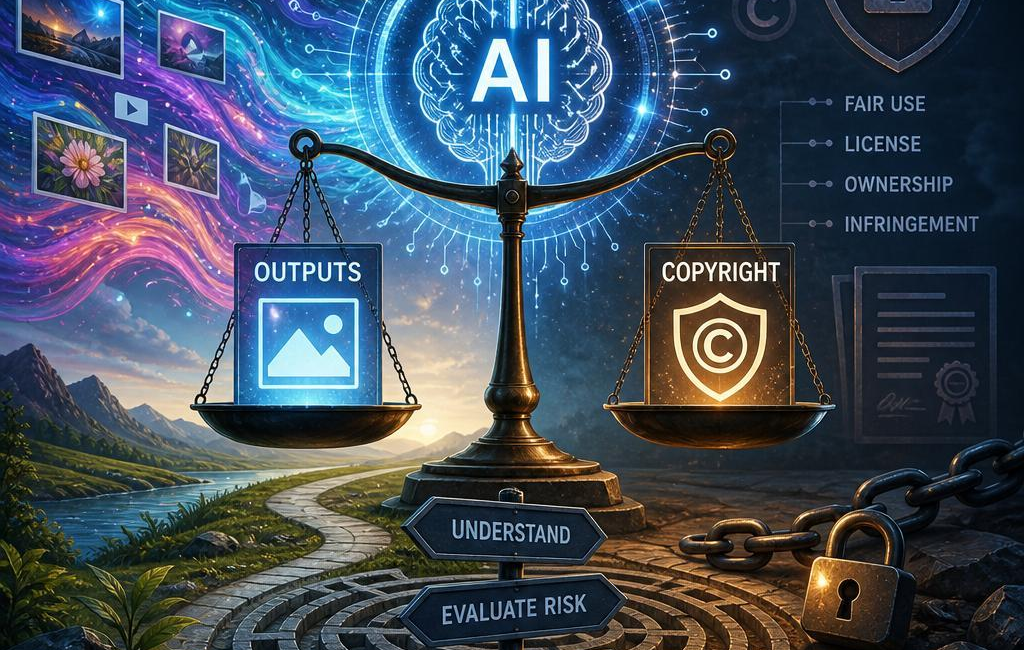
AI Generated Content and Copyright Ownership Complexities
When it comes to AI-generated content, the question of copyright ownership becomes inherently complex.Unlike customary creative works produced by humans, AI outputs frequently enough lack clear authorship under current copyright laws. This raises critical considerations for businesses and creators relying on generative AI technologies.Determining who holds the rights-whether the developer of the AI, the user prompting the AIor another party-can impact licensing, commercializationand legal obligation. Without explicit agreements or updated legal frameworks, stakeholders face uncertainty that complicates content monetization and protection.
Several key factors influence thes ownership complexities:
- the role of human input: The extent and originality of human involvement in shaping the AI output.
- AI’s autonomy level: Whether the content is generated solely by the machine or curated by a human creator afterwards.
- Contractual stipulations: Existing agreements governing the use of AI platforms and intellectual property rights.
| Ownership Scenario | Common Legal Outcome |
|---|---|
| AI-generated with minimal human input | Frequently enough considered public domain or no copyright |
| Human-guided content creation | Copyright may belong to human creator |
| Ownership via contractual agreement | Steadfast by terms between user and AI provider |
Understanding these nuances is essential for navigating the legal risks associated with AI-generated materials. proactive clarity on ownership rights helps avoid disputes and enforces proper attribution and usage rights in an evolving digital environment.
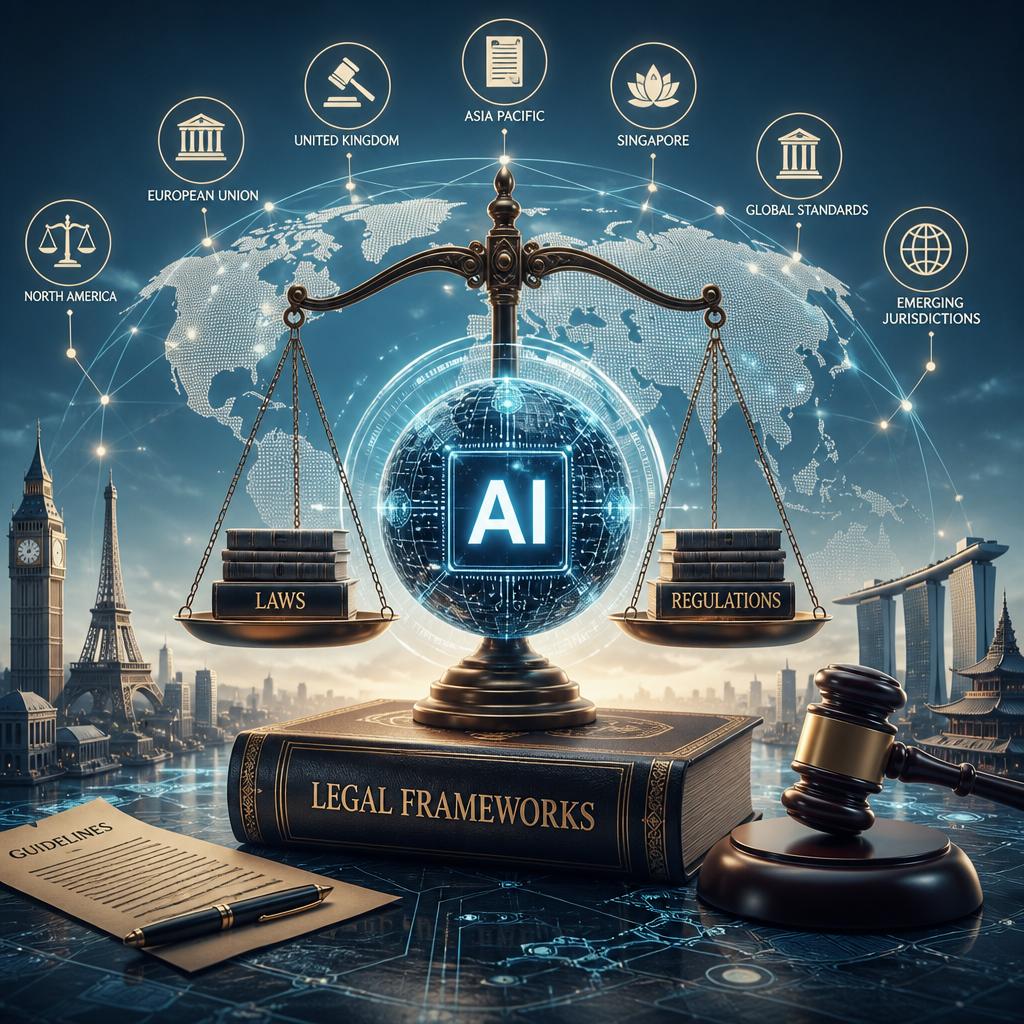
Legal Frameworks Governing AI Outputs Across Jurisdictions
Across different jurisdictions, the regulation of AI-generated content remains a complex and evolving challenge. Legal systems vary substantially in their approach to copyright protection for AI outputs, particularly regarding the question of authorship and originality. Many countries emphasize the requirement of human creativity as a prerequisite for copyright eligibility, which often excludes works generated solely by artificial intelligence from traditional protection. In contrast, some jurisdictions explore new frameworks that recognize AI-assisted creations, attributing rights either to the AIS developer, the user who initiated the creation, or establishing new categories of protection altogether.
key factors influencing these divergent legal paradigms include:
- authorship Attribution: Determining who qualifies as an author when AI systems independently generate content.
- Originality Standards: Assessing whether AI outputs meet creative thresholds in the absence of human input.
- Liability and Ownership: Clarifying who holds responsibility for infringing content produced by AI and who owns the resulting rights.
- Cross-border Enforcement: Addressing jurisdictional conflicts in the protection and enforcement of AI-generated works.
| Jurisdiction | Legal Stance on AI outputs | Author rights |
|---|---|---|
| United States | Requires human authorship; AI-only works are non-copyrightable | User/creator of AI tool |
| European Union | encourages new legal frameworks; human involvement emphasized | Primarily human collaborators or none yet defined |
| China | Exploring sui generis rights for AI-generated works | Potential for AI developers or users |
| United Kingdom | Recognizes computer-generated works with rights for the person who made necessary arrangements | Person commissioning the AI output |
risk Assessment Strategies for Utilizing AI-Created Works
Effectively managing the legal risks of AI-generated content requires a thorough, proactive approach centered on understanding both the technology involved and the complexity of intellectual property laws. Organizations should prioritize comprehensive audits of AI datasets to ensure training sources are properly licensed or fall within permissible fair use exceptions. Additionally,implementing a clear attribution framework helps delineate the rights and responsibilities associated with AI-assisted creations,reducing ambiguity over authorship and ownership. These foundational steps are critical to mitigate potential infringements before they arise,rather than reacting once legal actions surface.
Another pivotal strategy involves establishing internal compliance protocols and continuous monitoring systems. Teams must be educated on the nuances of AI-generated works and instructed on best practices concerning copyright clearance, usage rightsand contract terms with AI vendors. Employing risk matrices further helps prioritize which AI outputs necessitate deeper legal review, based on factors such as commercial valueoriginalityand potential for third-party claims:
| Risk Factor | Considerations | Recommended Action |
|---|---|---|
| Source Material | Licensing clarity, public domain status | Verify permissions or substitute sources |
| Output Use | commercial vs. non-commercial deployment | Adjust licensing terms accordingly |
| Authorship Claims | joint authorship, AI as tool vs.creator | Draft explicit contracts defining rights |
Best Practices for Ensuring Compliance and Protecting Intellectual Property
To effectively navigate the legal maze surrounding AI-generated contentorganizations must implement a multi-layered approach emphasizing both compliance and protection of intellectual assets. Start by instituting clear policies that outline the permissible use of AI tools, specifying how outputs can be leveraged without infringing on existing copyrights. Regular training programs are essential, keeping teams informed about evolving laws and best practices in intellectual property rights management. Empowering employees with knowlege minimizes unintentional violations and enhances accountability. Additionally, integrating robust documentation processes helps track the origin and modification history of AI outputs, creating a clear audit trail crucial during legal scrutiny.
- Conduct thorough IP audits: Identify potential risk areas by reviewing datasets and AI-generated content for copyright overlaps.
- Use licensing agreements: Secure rights for input data and ensure AI models incorporate only authorized materials.
- Engage legal experts: Leverage specialized counsel to draft contracts and interpret legislative nuances within AI intellectual property law.
| best Practice | Benefit | Implementation Tip |
|---|---|---|
| Policy Advancement | Clear usage guidelines | Collaborate with legal and IT teams |
| IP Audits | Risk identification | Schedule bi-annual reviews |
| Documentation | Audit readiness | Automate version control |
Another vital dimension is fostering an ongoing dialog between technology developers and legal stakeholders. This collaborative dynamic helps tailor AI systems that inherently respect IP boundaries and embed compliance mechanisms – such as automated content flagging or attribution prompts - directly into the output workflow. Organizations should also stay proactive in tracking regulatory updates and emerging case law,adapting their safeguards accordingly. By cultivating a culture rooted in legal vigilance and ethical use of AI, enterprises protect their innovations while upholding the integrity of intellectual property ecosystems.