
The Role of Artificial Intelligence in Enhancing Mental Health Support
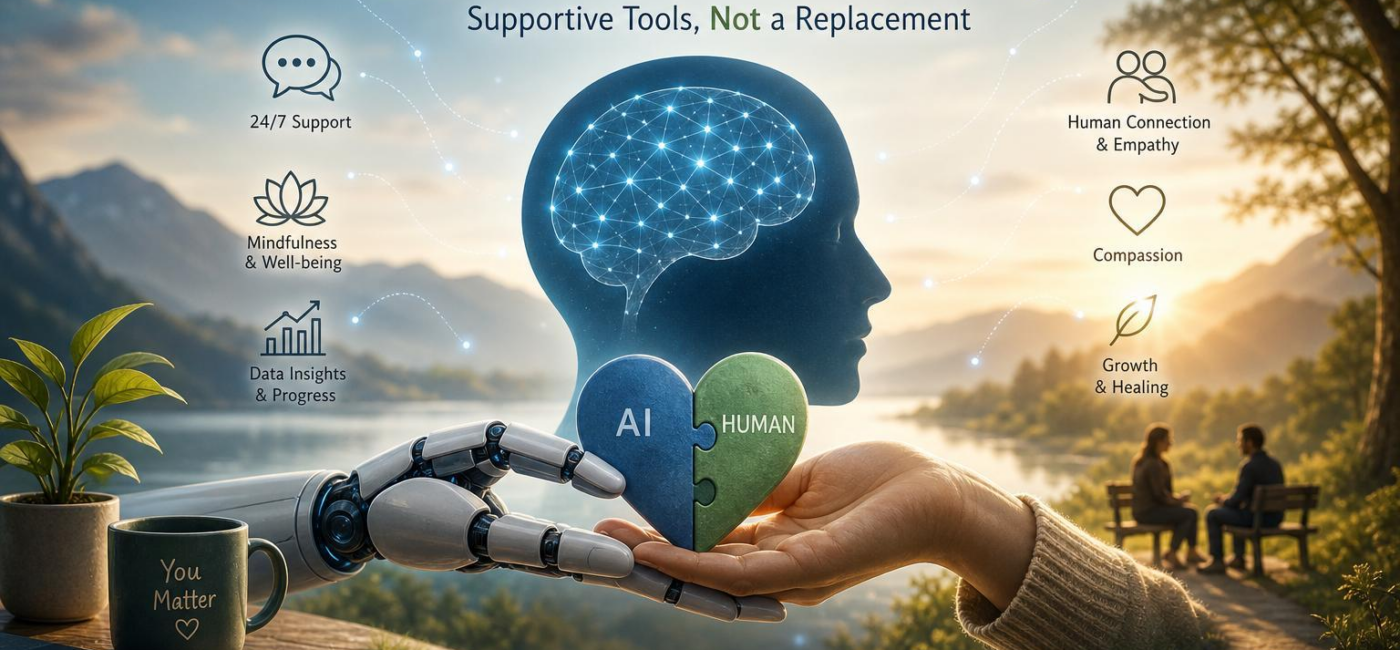
Advancements in artificial intelligence (AI) have ushered in innovative solutions that enhance accessibility and personalization in mental health support. Bright algorithms and natural language processing tools enable the analysis of vast amounts of data, uncovering patterns that may elude human observation. These tools support therapists by offering timely insights into emotion and behavior trends, which can tailor treatment plans more effectively. Moreover,AI-powered chatbots and virtual companions provide immediate,around-the-clock support for individuals experiencing distress,bridging gaps when professional help is not instantly available.
Key capabilities of AI in mental health assistance include:
- 24/7 Access: AI-driven platforms offer continuous support, ensuring users can reach out anytime.
- Data-Driven Insights: Analyzing behavioral data to fine-tune therapeutic approaches based on individual needs.
- Early Detection: identifying warning signs of mental health deterioration through pattern recognition.
- Personalized Interactions: Delivering customized coping strategies using machine learning models that adapt over time.
| AI Feature | Benefit |
|---|---|
| Sentiment Analysis | Helps detect emotional shifts early |
| virtual Therapy Assistants | Provide supplemental support between sessions |
| Predictive Analytics | Forecasts potential crises for proactive intervention |
| Personalized Content | Delivers tailored self-help tools and resources |
Understanding the Limitations of AI in psychological Care
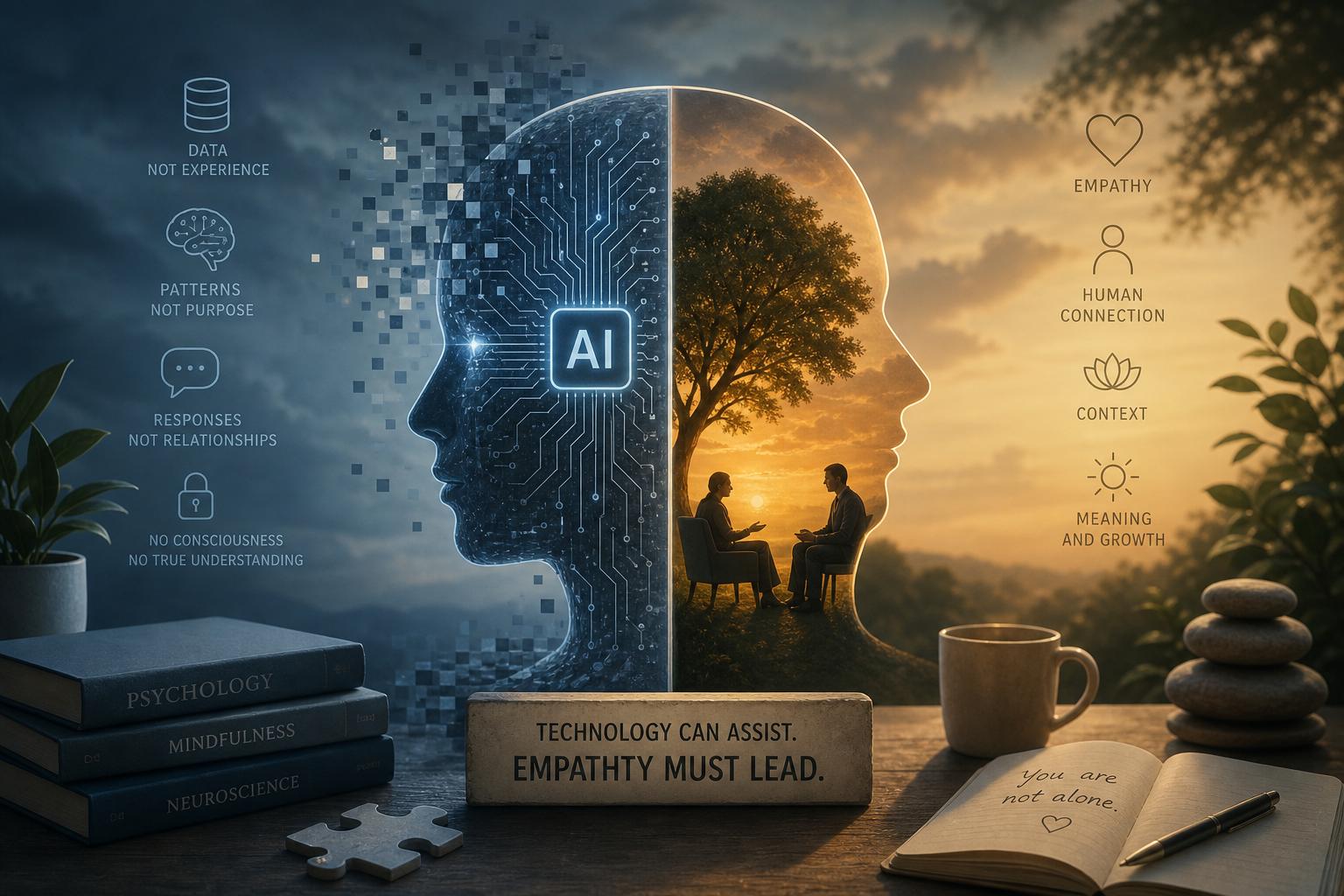
While AI offers remarkable capabilities to assist in psychological care, it is indeed critically important to recognize it’s inherent limitations. AI lacks the emotional depth and human experience that are essential in therapeutic relationships. Unlike human therapists, AI cannot fully interpret non-verbal cues such as body language or tone of voice, which are critical for diagnosing and understanding complex psychological conditions. Additionally,AI systems operate based on data and algorithms,potentially leading to risks such as biased responses or an inability to adapt to unique individual needs that do not fit established patterns.
Key limitations include:
- Absence of genuine empathy: AI can simulate understanding,but genuine emotional connection is beyond its reach.
- Contextual understanding: AI may misinterpret nuanced human emotions or cultural contexts.
- Privacy and ethical concerns: Handling sensitive mental health data requires rigorous safeguards, which AI tools may not inherently guarantee.
| Aspect | Human Therapist | AI System |
|---|---|---|
| Emotional Insight | High | Limited |
| Non-verbal Cue Recognition | Excellent | Minimal |
| Bias Risk | Moderate (can be managed) | High (algorithm dependent) |
| Personalization | Adaptive and intuitive | Pattern-based |
Integrating AI Tools with human Expertise for Effective Mental Health Interventions
The powerful synergy between artificial intelligence tools and human expertise is reshaping mental health care. AI-driven applications excel at processing vast datasets, detecting nuanced patterns, and offering timely insights that might elude even seasoned therapists. However, these tools serve best as augmentative aids rather than standalone solutions. The irreplaceable human element-empathy, ethical judgment, cultural sensitivity, and emotional nuance-remains central to mental health interventions. Combining AI’s analytical capabilities with clinical intuition ensures that patients receive interventions tailored not just by data but by genuine human understanding.
Effective integration demands a framework where mental health professionals leverage AI for tasks like:
- Personalized risk assessment and early symptom detection
- Continuous monitoring through digital phenotyping
- Automated administrative support freeing time for direct patient care
Below is a summary of key roles comparing AI tools and human expertise within mental health practice:
| Role | AI Tools | Human Expertise |
|---|---|---|
| Data Analysis | High-speed pattern recognition | Interpretation within patient context |
| Emotional Connection | Absent | Compassion and empathy |
| Decision-Making | Provides recommendations based on algorithms | Ethical judgment and personalized planning |
Best Practices for Ethical and Responsible Use of AI in Mental Health Services
To harness AI effectively in mental health services, clarity and informed consent must always be prioritized. Patients should be fully aware of when and how AI tools are being used to assist their care, ensuring they feel empowered and respected throughout their journey. Equally important is safeguarding data privacy and security, as sensitive mental health data requires rigorous protection against breaches or misuse. Developers and providers must implement robust encryption, anonymization, and compliance with regulations like HIPAA or GDPR to uphold patient trust.
- Continuous oversight: Regular audits and monitoring to detect biases or errors in AI algorithms.
- Human-AI collaboration: Ensuring AI supports clinicians rather than replacing the human judgment crucial in mental health care.
- Cultural sensitivity: Designing AI tools with inclusivity to respect diverse backgrounds and experiences.
| Best Practice | Purpose | Benefit |
|---|---|---|
| Informed Consent | Clarify AI role in treatment | Enhances patient autonomy |
| Privacy Protection | Secure sensitive data | Builds patient trust |
| Algorithm Audits | Identify bias & errors | Improves fairness & accuracy |