

The Environmental Consequences of Frequent AI Hardware Upgrades
Frequent upgrades in AI hardware drive significant environmental challenges, especially thru the accelerated generation of electronic waste (e-waste). Each cycle of hardware replacement not only consumes vast amounts of raw materials but also demands energy-intensive manufacturing processes that increase carbon emissions. The accumulation of discarded components,many containing toxic substances like lead,mercury,and cadmium,strains waste management systems and heightens the risk of soil and water contamination. These consequences are compounded by the limited recycling rates, which remain below 20% globally, leading to a growing reservoir of obsolete devices in landfills.
Key environmental impacts include:
- Depletion of rare earth minerals used in AI chips and circuit boards
- High energy consumption during production and disposal phases
- Risks of hazardous chemical leakage from improperly discarded hardware
- Increase in greenhouse gas emissions throughout the lifecycle of AI devices
| Hardware Component | Material Usage | Average lifespan |
|---|---|---|
| GPU Units | Gold,Aluminum,Copper | 2-3 years |
| Motherboards | Lead,Tin,Rare Earths | 3-4 years |
| Cooling Systems | Plastic,Aluminum | 4-5 years |
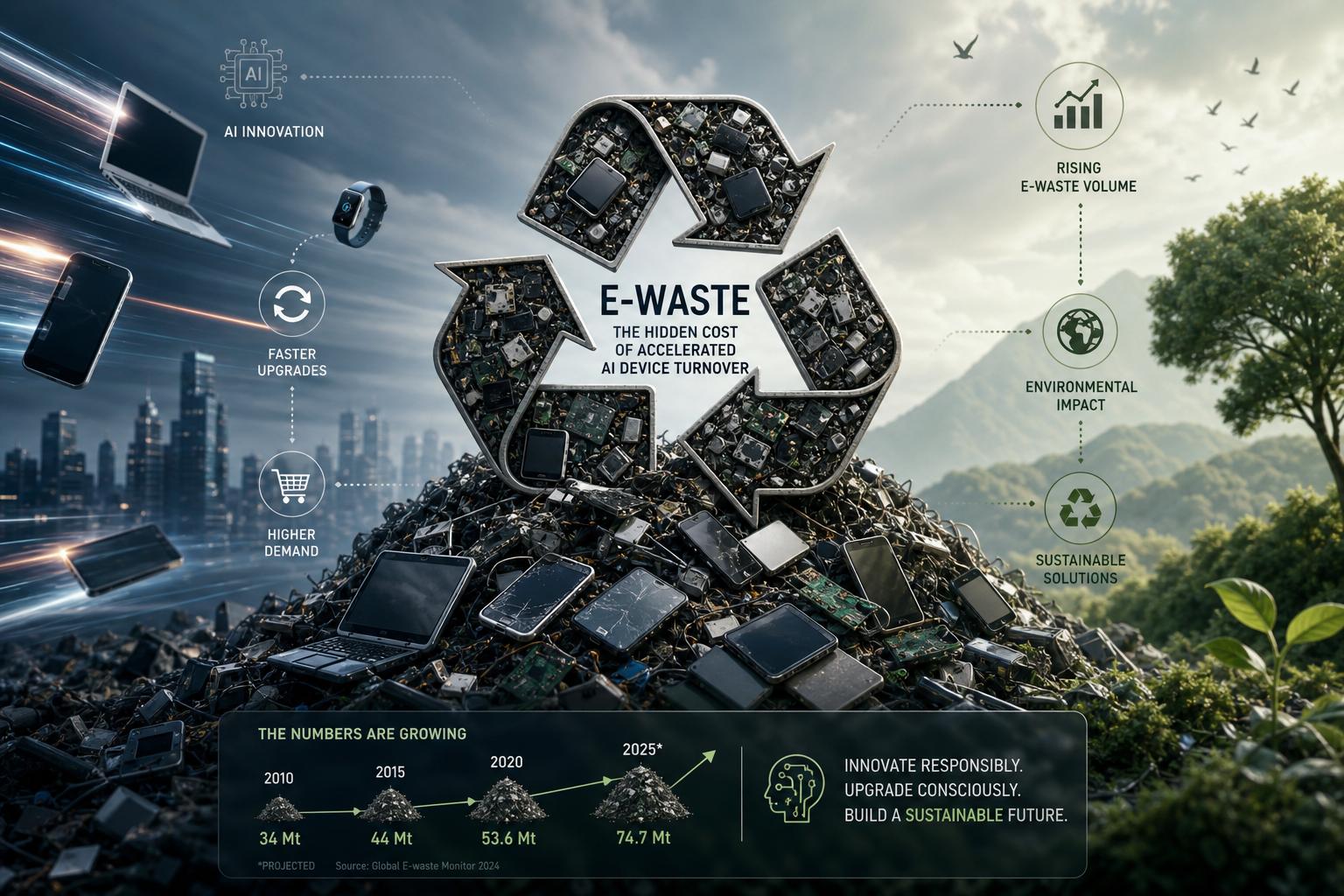
Analyzing E-Waste Volume from Accelerated AI Device Turnover
The surge in artificial intelligence (AI) adoption has brought about a commensurate increase in the turnover rate of AI hardware devices.These devices, often designed for high performance and cutting-edge tasks, become obsolete at an unprecedented pace. As a result, the volume of electronic waste (e-waste) attributed to AI hardware is escalating rapidly. This acceleration in device replacement cycles is driven by:
- Advancements in AI algorithms demanding higher computational power.
- Market pressures prompting manufacturers to release frequent hardware upgrades.
- The shrinking lifecycle of AI processors and specialized components.
This cycle not only inflates waste quantities but also challenges traditional e-waste management systems, which were unprepared for such rapid accumulation.
| Device Category | Average Lifecycle (Months) | Estimated Annual E-Waste Volume (Metric Tons) |
|---|---|---|
| AI Accelerators | 12 | 25,000 |
| Edge AI Devices | 18 | 18,000 |
| Data Center GPUs | 24 | 30,000 |
Strategic analysis reveals the pressing need to rethink hardware design and lifecycle management.Incorporating modular designs and establishing circular economy frameworks can mitigate the environmental footprint. Without such reforms, the gap between AI technology growth and e-waste infrastructure will widen, posing significant sustainability risks.
Sustainable Practices for Managing AI Hardware Lifecycle
Proper stewardship of AI hardware throughout its lifecycle is pivotal in curbing environmental impact and promoting a circular economy. Key strategies include prolonging hardware usability through routine maintenance,upgrading firmware rather than entire devices,and encouraging modular designs that simplify repairs and component replacements. Organizations should also develop robust take-back programs, enabling responsible recycling and refurbishing of outdated equipment to minimize hazardous waste. These practices not only reduce e-waste volumes but also offer economic advantages by decreasing the demand for raw material extraction and reducing production costs.
- Refurbishment and reuse: Repurposing AI hardware for less intensive tasks or donating to educational institutions maximizes value and extends operational life.
- Certified recycling: Partnering with e-waste recyclers adhering to environmental and safety standards ensures proper material recovery and toxin management.
- Design for sustainability: Manufacturers are encouraged to produce AI systems that use fewer rare earth elements and facilitate disassembly.
| Practice | Environmental Benefit | Business Advantage |
|---|---|---|
| Modular Design | Less waste from broken parts | Lower repair costs |
| Take-back Programs | Reduced landfill e-waste | Enhanced brand reputation |
| Firmware Upgrades | Extended hardware life | Decreased replacement frequency |
Policy Recommendations for Reducing AI-Induced Electronic Waste
To effectively curtail the mounting wave of electronic waste provoked by the accelerated upgrade cycles of AI hardware, it is indeed imperative to institutionalize stringent regulatory frameworks that mandate manufacturers to prioritize sustainability. Policymakers should enforce requirements for extended product lifespans through modular designs that facilitate easy upgrades rather than wholesale replacements. Furthermore, incentivizing the adoption of circular economy principles can significantly mitigate waste; this includes promoting refurbishment, resource recovery, and responsible recycling practices.Governments might also consider implementing differential taxation that favors manufacturers with eco-friendly production processes and penalizes those contributing to accelerated obsolescence.
Equally critical is the advancement of thorough consumer awareness campaigns paired with mandatory transparency measures regarding the environmental impact of AI devices.Labeling schemes that disclose the expected lifespan, recyclability, and carbon footprint of AI hardware will empower buyers to make more informed decisions. Below is a concise reference table outlining potential policy interventions and their expected outcomes, designed to guide stakeholders toward actionable solutions:
| Policy Intervention | key Focus | Expected Impact |
|---|---|---|
| Extended Producer responsibility | Manufacturing accountability | Reduction in manufacturing waste |
| Ecodesign Standards | Device modularity & repairability | Longer device lifecycles |
| Consumer Education Programs | Informed purchasing choices | Decreased premature disposal |
| Tax Incentives for Sustainable Practices | Encourage green innovation | Boost sustainable hardware development |