

AI-Driven Language Translation Transforming patient Communication
In today’s globalized healthcare surroundings, seamless communication between patients and providers is crucial for effective treatment outcomes. AI-driven language translation tools are revolutionizing this aspect by providing real-time, accurate translations that bridge linguistic barriers. These advanced systems leverage natural language processing (NLP) and machine learning algorithms to understand medical terminology and cultural nuances, thereby enhancing clarity and reducing the risk of misdiagnosis.Such technology empowers healthcare professionals to deliver personalized care, ensuring every patient feels heard and understood irrespective of their native language.
Key benefits of AI-powered language translation in healthcare include:
- Instant multilingual communication support during consultations
- Improved patient comprehension of treatment plans and medication instructions
- Facilitation of telemedicine services across language divides
- Reduction in administrative delays caused by manual translation processes
| Feature | Benefit | Impact on Patient Care |
|---|---|---|
| Real-Time Translation | Engages patients instantly | speeds diagnosis and treatment |
| Context-Aware AI | Handles medical jargon accurately | Minimizes errors and misunderstandings |
| Multi-Platform Access | Supports mobile and remote use | Extends healthcare reach |
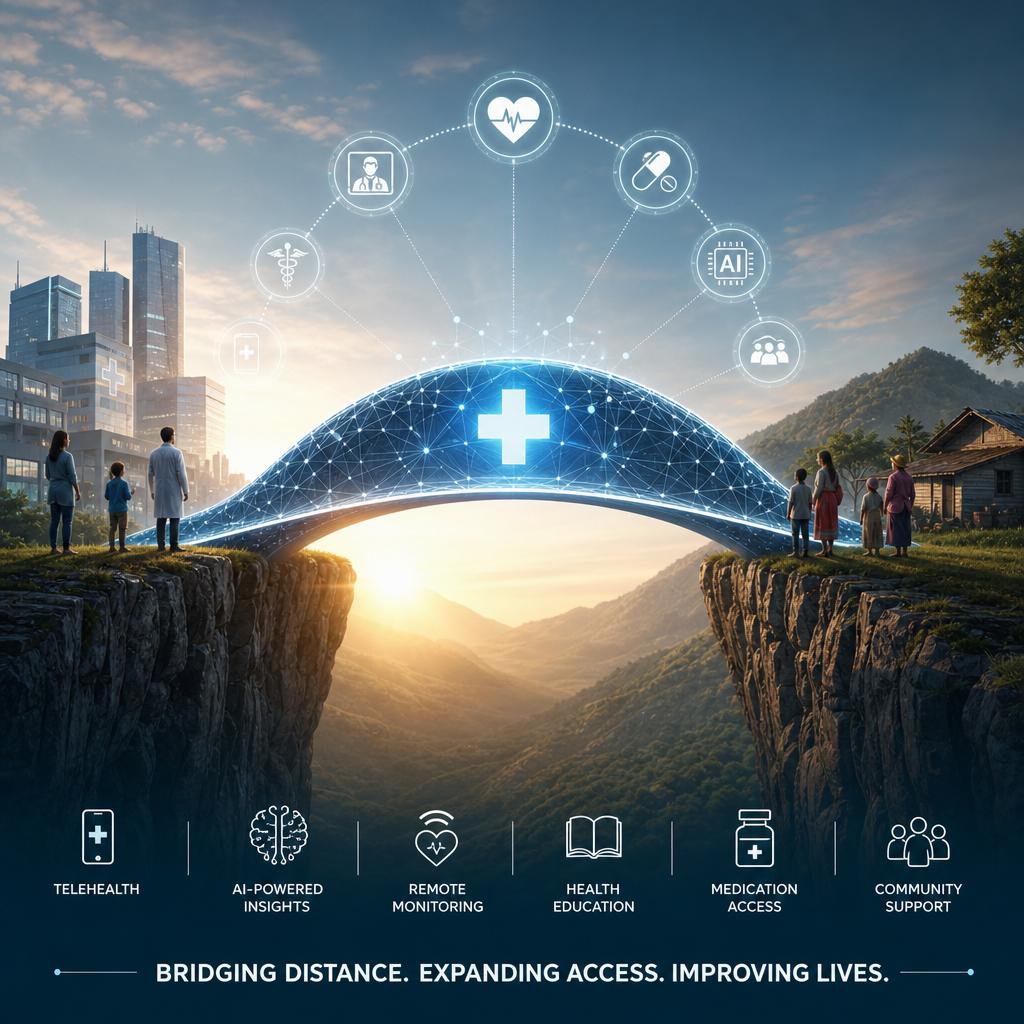
Advanced Support Tools Bridging Healthcare Access Gaps
Cutting-edge AI-powered applications are revolutionizing the way critical healthcare information is delivered and comprehended across linguistic and cultural divides. By integrating real-time translation engines directly into patient-provider interactions, these tools eliminate the traditional barriers that have long hindered equitable healthcare access. Enhanced by natural language processing and contextual understanding,the technology ensures that medical instructions,consent forms,and emergency communications are not onyl translated but also culturally adapted,considerably reducing misinterpretation and improving patient outcomes.
- Multilingual AI chatbots provide on-demand support and guidance for patients navigating complex healthcare systems.
- Speech recognition and synthesis allow communication with non-verbal or speech-impaired patients in multiple languages.
- Interactive digital assistants help schedule appointments, explain treatment plans, and remind patients about medications with personalized, accessible messaging.
| support tool | Primary Function | Impact on Accessibility |
|---|---|---|
| AI Translation Modules | Real-time language translation | Breaks language barriers in consultations |
| Speech-to-Text Interfaces | converts spoken dialog to text | Assists hearing-impaired patients and providers |
| Smart Scheduling Bots | Automated appointment management | Simplifies access to care coordination |
integrating AI Solutions into Healthcare Systems for Inclusive Care
Artificial intelligence is revolutionizing healthcare by bridging communication gaps that frequently enough hinder patient care, particularly in diverse and multilingual communities. Advanced AI-powered translation tools allow medical professionals to interact seamlessly with patients regardless of language barriers, ensuring that critical information is accurately conveyed. These tools not only support real-time conversations but also assist in translating medical documents, prescriptionsand patient records, thereby reducing the risk of misinterpretation and enhancing treatment efficacy. Healthcare providers can now offer truly inclusive care by integrating AI-driven support systems that adapt dynamically to patients’ linguistic needs.
Beyond language translation, AI solutions extend to personalized assistance tools designed to support individuals with disabilities or special needs.Features such as speech recognition, predictive text inputand interactive virtual assistants empower patients to communicate symptoms, access medical adviceand manage appointments independently. The impact is evident in improved patient engagement and adherence to treatment plans. Consider this comparison of AI features and their benefits in inclusive healthcare:
| AI Feature | Function | Benefit to Patients |
|---|---|---|
| Real-Time Language Translation | Converts speech and text instantly between languages | Improves communication accuracy and patient trust |
| Speech Recognition | Transforms spoken language into text | Facilitates symptom description for those with mobility issues |
| Virtual Health Assistants | Provides interactive support and personalized medical guidance | Enhances patient autonomy and chronic condition management |
Best Practices for Deploying AI Translation and Support Technologies in Medical Settings
Implementing AI translation and support tools in medical environments demands rigorous attention to accuracy and patient confidentiality.Healthcare providers must prioritize rigorous validation of AI models against clinical terminologies, idiomatic expressionsand cultural context to prevent misinterpretations that could jeopardize patient outcomes. Furthermore, seamless integration with existing Electronic Health Record (EHR) systems ensures that patient data remains consistent and accessible, while encryption protocols protect sensitive information throughout the translation and support workflow.
Best practices also include ongoing training and collaboration between linguistic experts and medical professionals. Establishing feedback loops enables continuous improvement of the algorithms by incorporating frontline user insights, wich enhances contextual understanding and relevance. The following table highlights essential factors that optimally balance technological performance and practical usability in medical AI translation applications:
| Key Factor | Impact on Deployment | Recommended Action |
|---|---|---|
| Accuracy | Critical for diagnostic precision and patient trust | Constant algorithm validation and test cases |
| Data Security | Protects patient confidentiality and regulatory compliance | Implement end-to-end encryption and access controls |
| User Training | Ensures effective tool utilization and error reduction | Regular workshops and hands-on sessions |
| Interoperability | Smooth integration within healthcare IT ecosystems | Use standardized APIs and data formats |