

AI Driven Language Translation Transforming Patient Communication
Advancements in artificial intelligence have brought about a revolutionary shift in how healthcare providers engage with patients from diverse linguistic backgrounds. Cutting-edge language translation tools powered by AI not onyl facilitate accurate communication but also support real-time, context-aware dialog that adapts to medical terminology. this technological evolution ensures patients fully understand thier diagnosis, treatment plans, and medication instructions, thereby significantly reducing errors caused by language barriers. healthcare institutions integrating these tools experience increased patient satisfaction and enhanced compliance with care protocols.
- Instant translation: Enables seamless interaction during consultations without delays.
- Context sensitivity: Understands medical jargon and translates accordingly, maintaining accuracy.
- Accessibility: Expands reach to underrepresented communities by breaking down language isolation.
| Feature | Impact on Healthcare |
|---|---|
| real-time voice translation | Facilitates immediate comprehension between patients and providers |
| Adaptive terminology database | Ensures precise communication of complex medical information |
| Multi-platform integration | Supports communication via apps, kiosks, and telehealth services |
By embedding AI-driven translation technology into healthcare settings, providers not only enhance the quality of care but also empower patients. This fosters a more inclusive surroundings where cultural and linguistic differences no longer pose a barrier to effective treatment. Hospital staff and medical professionals benefit from streamlined workflows and decreased dependence on human interpreters, enabling them to focus on patient-centered care.Ultimately, these innovations contribute to a more equitable healthcare system that respects linguistic diversity and champions accessibility.
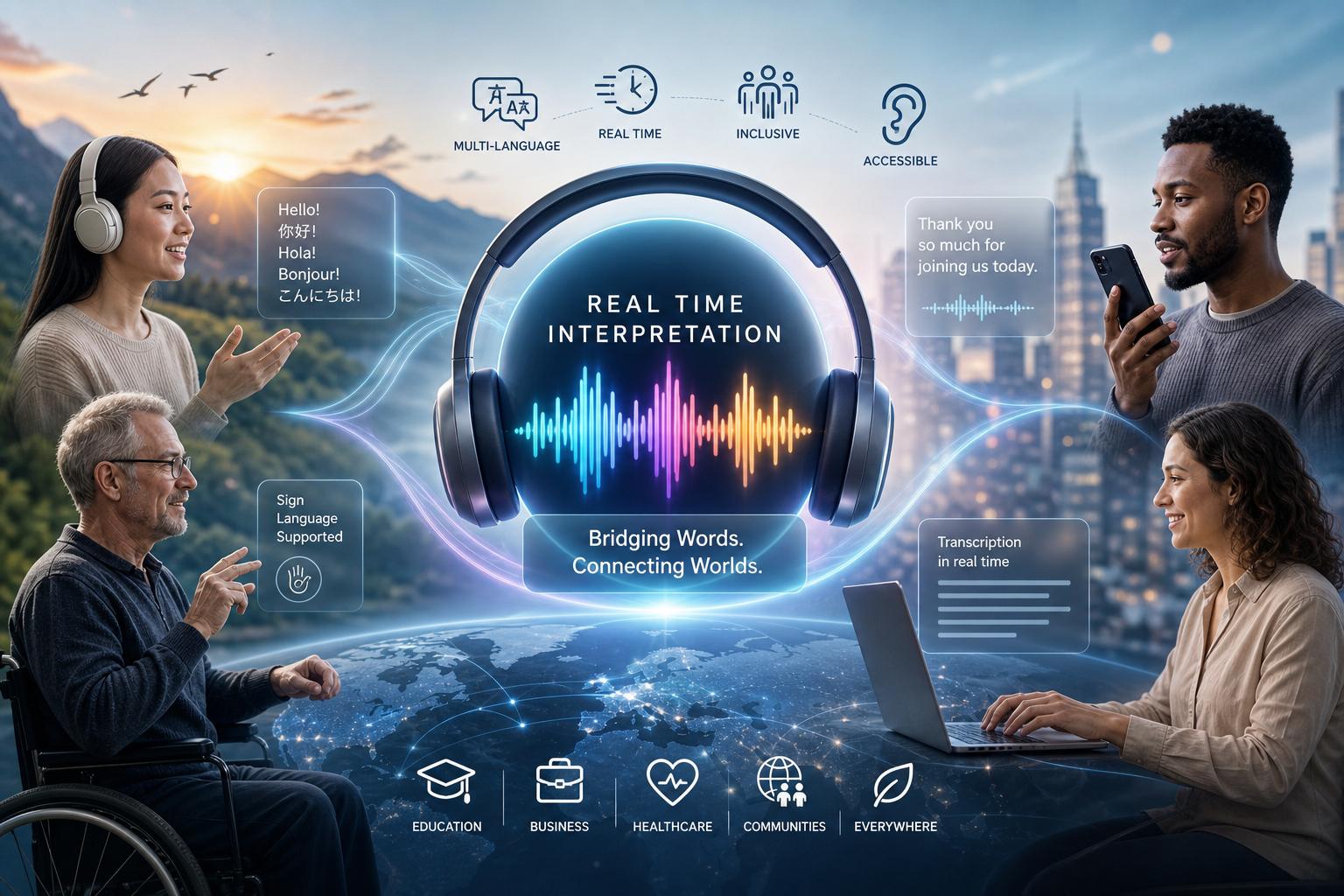
Enhancing Accessibility Through Real Time Interpretation Tools
The integration of real-time interpretation tools in healthcare settings is transforming patient-provider communication by breaking language barriers instantly and effortlessly. These innovative tools leverage artificial intelligence to deliver accurate translations of spoken and written language, enabling medical staff to understand patient needs swiftly and without misinterpretation. Key advantages include:
- Instantaneous communication across diverse languages and dialects
- Reduction in appointment delays caused by language misunderstandings
- enhanced patient confidentiality through discreet interpretation
| Feature | Benefit | Impact |
|---|---|---|
| Speech-to-text translation | Faster medical documentation | Improved accuracy in patient records |
| Multi-language support | Inclusive care provision | broader patient reach |
| Real-time alerts for misunderstood phrases | Minimized diagnostic errors | Higher treatment success rates |
By continuously learning from interactions, these AI-driven tools evolve to offer even more nuanced understanding of medical terminology and cultural context, thus ensuring that no critical information is lost in translation. Healthcare professionals benefit from increased confidence during consultations, while patients experience a sense of respect and dignity from being understood in their native tongue. As these systems become embedded in daily operations, they hold the promise of delivering truly equitable healthcare access to underserved populations worldwide.
Integrating AI Support Systems in Remote and Underserved Healthcare Settings
Bridging the gap between healthcare providers and remote or underserved populations demands innovative approaches that transcend geographic, linguistic, and infrastructural barriers.AI-powered translation tools have emerged as pivotal instruments in this mission by enabling real-time, accurate communication between patients and clinicians. These systems not only decipher complex medical terminologies but also contextualize cultural nuances, ensuring that critical health information is conveyed clearly and compassionately. Such advancements foster trust and understanding, which are essential for accurate diagnosis, informed consent, and improved treatment adherence.
Moreover, AI support systems extend beyond language translation to encompass comprehensive assistance functionalities tailored for resource-constrained environments. Key features include:
- Symptom assessment bots that guide patients through self-evaluation, reducing strain on limited medical personnel.
- Remote monitoring analytics that leverage AI to interpret vital signs and alert clinicians to critical changes promptly.
- Decision support algorithms that assist healthcare workers with diagnostic suggestions based on aggregated patient data and regional health trends.
| AI Feature | primary Benefit | Request Example |
|---|---|---|
| Language Translation | Breaking language barriers | Consultations via multilingual chatbots |
| Symptom Checker | patient pre-assessment | Self-triage in rural clinics |
| Remote Monitoring | Continuous patient observation | Wearable device data analysis |
By integrating these refined AI tools, healthcare systems can dramatically enhance accessibility and quality of care, making equitable health outcomes more achievable for marginalized communities worldwide.
Best Practices for implementing AI Translation and Support Technologies in Healthcare
Integrating AI-driven translation and support tools into healthcare settings demands meticulous planning and adherence to proven best practices to maximize effectiveness and patient safety. Prioritizing accuracy and contextual understanding is essential; AI systems should be regularly trained on medical lexicons and culturally diverse language data to prevent misinterpretations that could adversely affect diagnoses or treatments.Additionally, engaging multidisciplinary teams-including healthcare professionals, linguists, and AI specialists-ensures that the technology aligns with clinical workflows while respecting patient privacy regulations such as HIPAA or GDPR.
Transparency and continuous evaluation further fortify the triumphant deployment of these technologies.Implementing feedback loops to capture patient and provider experiences allows for iterative improvements and fosters trust in AI systems. Below is a summary of key implementation pillars that healthcare organizations should consider:
| Implementation Pillar | best Practice |
|---|---|
| Data Integrity | Utilize validated medical datasets and incorporate real-time updates |
| User Training | provide continuous education tailored to clinical and technical staff |
| Patient-Centered Design | Ensure interfaces are intuitive and culturally sensitive |
| Security Protocols | Enforce stringent data encryption and access controls |