

The Role of Optical Character Recognition in Enhancing Data Accuracy and Efficiency
Optical Character Recognition (OCR) technology revolutionizes the way organizations handle data entry by transforming scanned documents, images, and printed texts into machine-readable formats. This process eliminates the reliance on manual transcription, thereby drastically reducing human error. The impact on data accuracy is critically important: OCR systems use advanced algorithms and machine learning to distinguish characters with precision, even in poor-quality documents or varying fonts. The result is not only faster data processing but also improved reliability, ensuring that details flows seamlessly through business operations without costly mistakes.
Efficiency gains brought by OCR extend beyond mere speed; they enable smart workflows that integrate with APIs and automation platforms to streamline end-to-end tasks. Businesses can automatically capture, validateand route data to the appropriate systems, freeing up valuable human resources for higher-value activities. Key benefits include:
- Real-time data extraction: Instant digital conversion of physical documents accelerates decision-making.
- improved compliance: Accurate records are easier to audit and maintain with digital logs.
- Cost reduction: Minimizing manual labor and paper handling lowers operational expenses.
| Aspect | Traditional Manual Entry | OCR-Driven Automation |
|---|---|---|
| Speed | Slow (minutes per document) | Fast (seconds per document) |
| Error Rate | High (due to manual misreads) | Low (algorithmic precision) |
| Resource Use | High (human labor necessary) | Low (automation driven) |
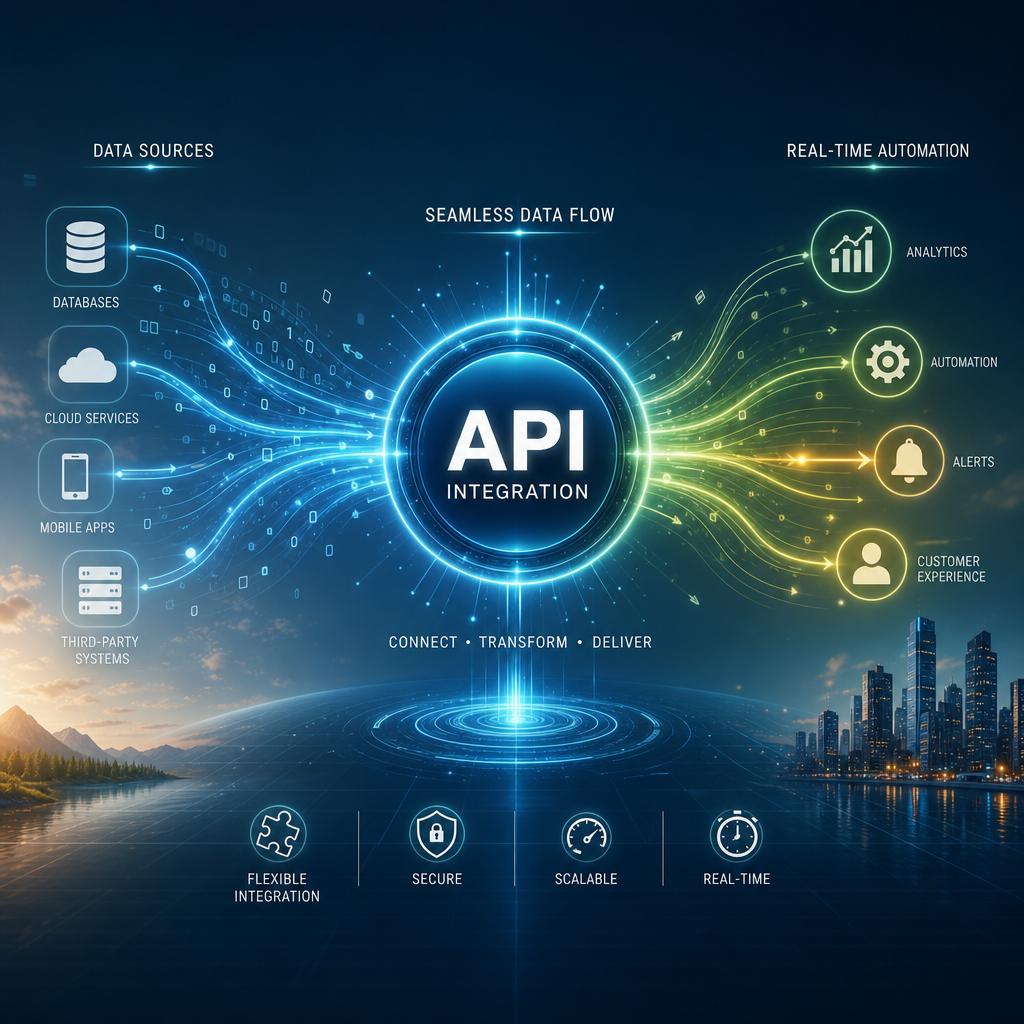
Integrating apis for Seamless Data Flow and Real-Time Automation
Leveraging APIs in automated workflows bridges critical gaps between disparate systems, allowing data to flow fluidly without manual intervention. By connecting OCR tools that extract information from physical or digital documents directly to cloud-based databases, CRM platforms, and analytics services, businesses ensure data consistency and reduce errors. This seamless integration accelerates processing times and empowers decision-makers with real-time insights. Key benefits include:
- Instant synchronization: Data updates propagate across platforms instantly, maintaining accuracy.
- Customizable triggers: Automations can be tailored based on specific API responses or data thresholds.
- Scalable architecture: Easily adjust to increased data volumes or new service integrations.
To visualize how data travels through API-driven automation, consider the following simplified flow:
| Step | Action | System involved |
|---|---|---|
| 1 | Document scanned & text extracted | OCR Engine |
| 2 | Data sent via API request | Integration Middleware |
| 3 | Record created/updated | CRM/Database |
| 4 | Trigger workflow notifications | Workflow Automation Tool |
Such integrations not only reduce human error but also enable real-time automation that adapts dynamically to incoming data streams, making workflows more agile and responsive to changing business demands.
Optimizing Business Processes through Workflow Automation Tools
Incorporating AI-driven workflow automation tools transforms the traditional landscape of data entry by minimizing manual inputs and enhancing accuracy. Optical Character Recognition (OCR) technology, combined with smart APIs, empowers businesses to seamlessly extract and integrate information from various document formats into centralized systems. This eliminates bottlenecks, reduces human error, and accelerates data processing, allowing teams to focus on strategic initiatives rather than repetitive tasks. Key benefits include:
- Accelerated data capture from invoices, formsand receipts
- Real-time data synchronization across multiple platforms
- Advanced error detection and automated correction mechanisms
To ensure optimal outcomesorganizations should adopt comprehensive workflow tools that orchestrate the entire data entry process. These platforms not only integrate OCR and APIs but also enable customizable rule-based automation, audit trailsand performance analytics. As a notable example, the table below highlights a comparative overview of common features found in leading workflow automation tools tailored for data entry:
| Feature | OCR Integration | API Support | Custom Workflows | Analytics & Reporting |
|---|---|---|---|---|
| tool A | Advanced | Wide Range | yes | Comprehensive |
| Tool B | Moderate | Limited | Basic | Standard |
| Tool C | Basic | Wide Range | Yes | Advanced |
By leveraging these integrated solutions, businesses can achieve higher operational efficiency, improved data integrity, and scalable processes that adapt to evolving demands.
Best Practices for Implementing AI-Driven Data Entry Solutions in Enterprises
When deploying AI-driven data entry solutions, it is indeed critical to prioritize data accuracy and system integration to maximize efficiency.Leveraging OCR (Optical Character recognition) technology to convert scanned documents into editable, searchable text must be complemented by rigorous validation mechanisms to prevent errors. Enterprises should implement multiple layers of verification-including automated cross-referencing with existing databases and manual audits for anomalies-ensuring data integrity from input to storage. Moreover, seamless integration with existing APIs enables real-time data exchange across different platforms, which reduces redundancy and streamlines workflows.
Key considerations for triumphant deployment include:
- Customization: Tailor AI models to the specific document types and formats your enterprise handles.
- Security: Enforce strict access controls and encryption for sensitive data processed through AI solutions.
- Scalability: Select tools and frameworks that can grow with your data volume and complexity.
- User Training: Equip employees with knowledge about the technology to drive adoption and minimize resistance.
| Best Practice | Impact | Recommended Tool |
|---|---|---|
| Automated data Validation | Reduces manual errors | Custom API Integrations |
| Layered Security Protocols | Protects sensitive info | Encrypted Data Pipelines |
| Continuous Model training | Improves recognition accuracy | Adaptive OCR Engines |
| Workflow Automation | Enhances operational efficiency | Integrated Workflow Tools |