

AI Driven Attention Modeling for Enhanced Persuasive Strategies
Harnessing the power of AI to decode human attention patterns has revolutionized how persuasive strategies are crafted. By analyzing real-time data on how users engage with content-whether through eye-tracking, click behavioror dwell time-AI models can pinpoint the precise moments and elements that capture interest.This enables marketers and communicators to tailor messaging with surgical precision,ensuring that critical details aligns perfectly with the audience’s natural focus rhythms. The influence is profound: campaigns become more than just messages, evolving into dynamic conversations that adapt and respond to attention shifts, maximizing engagement and conversion rates.
Core Advantages of AI-Driven Attention Modeling:
- Dynamic Personalization: Audience segments receive content optimized for their unique attention profiles, increasing relevance and resonance.
- Emotionally tuned Messaging: Attention data is often paired with emotional analytics to craft appeals that connect both cognitively and affectively.
- Real-Time Optimization: Campaigns adjust instantaneously based on evolving attention trends, enabling agile and impactful persuasion.
| Attention Metric | Persuasive Strategy Impact |
|---|---|
| Dwell Time | identifies most engaging content to emphasize key messages |
| Click-Through Rate | Optimizes call-to-action placement for maximum response |
| Eye Movement Patterns | Enhances visual hierarchy to guide user focus effectively |
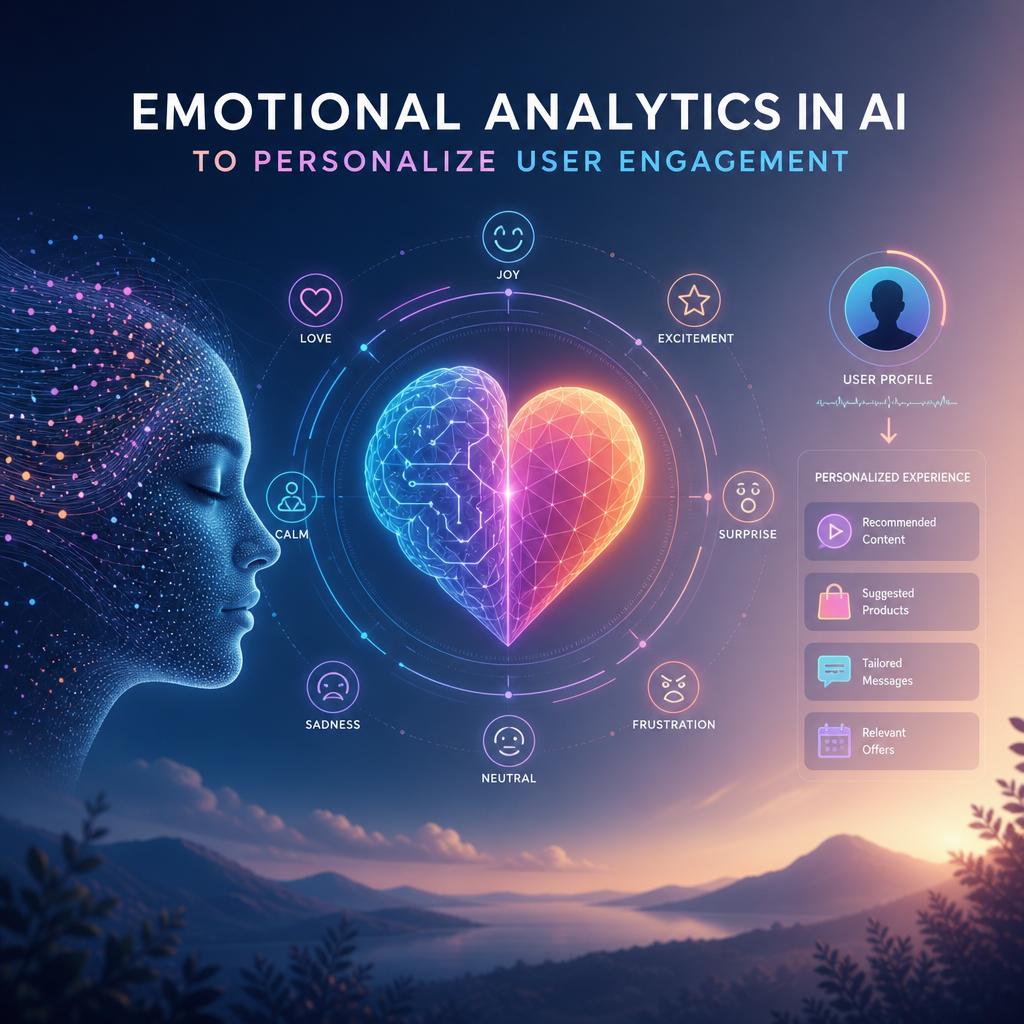
Emotional Analytics in AI to Personalize User Engagement
at the core of advanced AI-driven engagement strategies lies the ability to decode and respond to user emotions in real-time. Emotional analytics leverages machine learning models and biometric data, such as facial expressions, voice intonationsand physiological responses, to interpret user feelings with remarkable precision. This vital insight allows AI systems to dynamically tailor content, offersand interactions, creating an immersive experience that speaks directly to the individual’s emotional state. The result is a seamless fusion of attention capture and emotional resonance, significantly amplifying the effectiveness of personalized persuasion.
Key facets of emotional analytics in AI engagement:
- Sentiment analysis enhanced by multi-modal data inputs
- Adaptive content generation based on detected emotional cues
- Real-time feedback loops adjusting user experience fluidly
| Emotion Detected | AI Response Strategy | Example Application |
|---|---|---|
| Curiosity | Deliver intriguing content snippets | Interactive product demos |
| Anxiety | Provide reassuring messages and tutorials | Onboarding walkthroughs |
| Joy | Reinforce positive sentiment with rewards | Loyalty program notifications |
Ethical Considerations in AI Powered Personalized Persuasion
Harnessing AI to tailor persuasive messages taps deeply into human psychology, leveraging attention and emotion in unprecedented ways. While this can drive engagement and behavior change positively, it also opens doors to manipulation and exploitation. Ethical application demands openness regarding data usage and intent, ensuring individuals remain aware of when and how their attention and emotions are being targeted. Without clear boundaries,there is a risk of eroding autonomy,as people might be subtly nudged towards decisions that prioritize commercial or political agendas over their genuine interests.
Key ethical pillars to address include:
- Consent: Explicit user permission for data collection and personalized messaging.
- Privacy: Protection of sensitive emotional and behavioral data from misuse or breaches.
- Fairness: Avoidance of manipulative tactics that exploit vulnerabilities or perpetuate bias.
- Accountability: Clear responsibility assigned for the impact of AI-driven persuasion algorithms.
| Ethical Concern | Potential Impact | Mitigation Strategy |
|---|---|---|
| Data Overreach | Intrusive profiling | Minimal data collection |
| Emotional Exploitation | manipulated decisions | Clear disclosures |
| Bias Amplification | Unfair targeting | Fair algorithmic design |
| Accountability Gaps | Untraceable impacts | Regulatory frameworks |
Implementing AI techniques for Responsible and Effective Persuasion
Harnessing AI to enhance persuasion involves more than just technical prowess-it requires a nuanced understanding of human cognition and ethics. By leveraging advanced attention-detection algorithms, AI can identify and prioritize the most salient stimuli for individual users, optimizing message delivery at moments of peak receptivity. These systems track behavioral cues such as eye movement,click patterns,and browsing history to tailor messages that resonate deeply with the recipient’s current context and emotional state. This precision elevates persuasive impact by ensuring content is not only relevant but also presented with impeccable timing and subtlety.
To responsibly integrate these techniques, developers and strategists should adhere to ethical frameworks emphasizing transparency and consent. Consider the following best practices:
- Explicit user consent: Clearly inform users about the data being collected and how it will be utilized.
- Emotional safety: Avoid exploiting vulnerabilities such as anxiety or fear for persuasion.
- Message accountability: Ensure that persuasive content is truthful and respectful of the user’s autonomy.
| Technique | Benefit | Ethical Checkpoint |
|---|---|---|
| Emotion Recognition | Increases message relevance | consent to emotional data use |
| behavioral Profiling | Enhances targeting accuracy | Data transparency |
| Adaptive Content | Improves engagement rates | maintains truthful messaging |