
The mechanisms Behind AI-Driven Misinformation Production
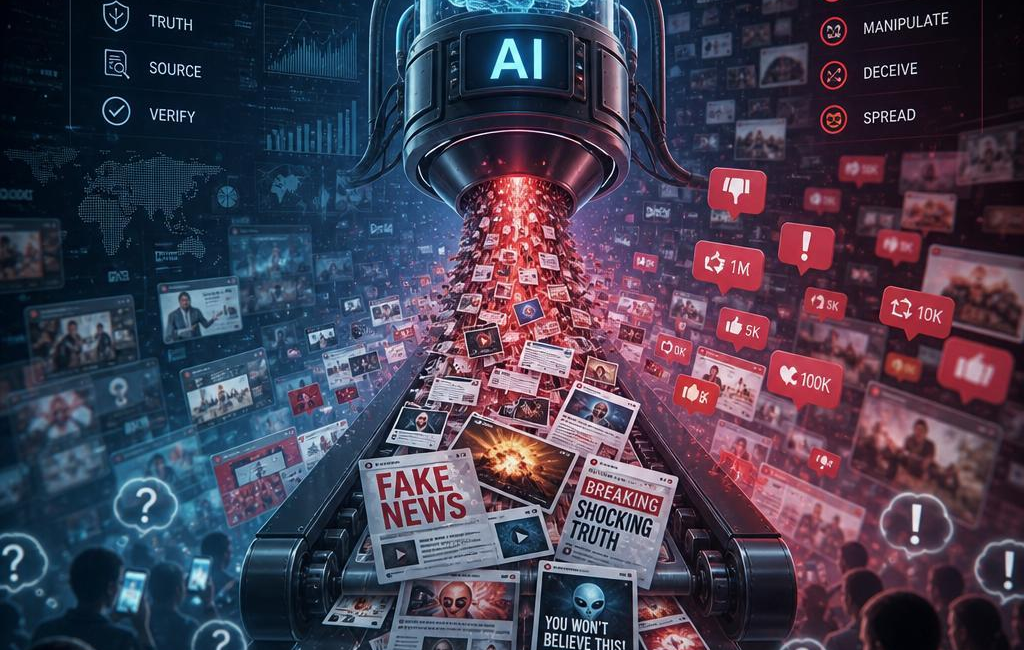
Advanced AI models leverage sophisticated natural language processing algorithms and deep learning techniques to produce highly convincing but inaccurate information. These systems analyze vast datasets, learning patterns, contextand tonal nuances to mimic human writing and generate content at an unprecedented speed. The automation of content creation through AI enables the mass production of misinformation, often incorporating subtle biases and emotionally charged language to influence public opinion. Crucially, AI can adapt its outputs based on trending topics and user engagement metrics, making falsified narratives more pervasive and harder to trace.
The role of neural networks, particularly transformer-based architectures, is central in this phenomenon. They excel in generating coherent text,images,and even videos that appear authentic,thereby fueling disinformation campaigns. Below is a simplified overview of key AI components implicated in misinformation generation:
| Component | Function | Impact on Misinformation |
|---|---|---|
| Language Models | Generate human-like text | Craft false narratives with realistic tone |
| Image Synthesis | Create fake images/videos | Visual proof to reinforce lies |
| Sentiment Analysis | Detect emotional cues | Tailor content to provoke reactions |
| Data mining | Extract trends and topics | Target misinformation for maximum reach |
Analyzing the Impact of False Content on Public Perception and trust
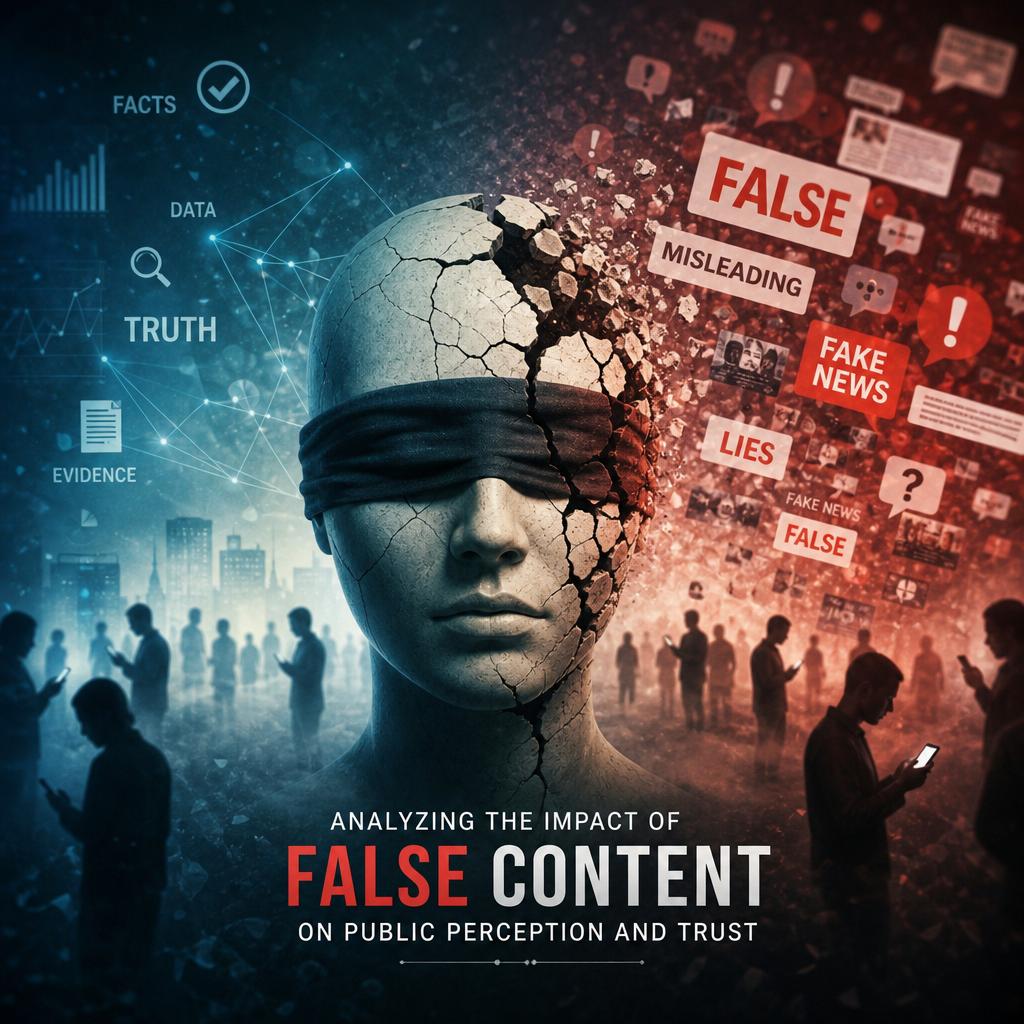
As artificial intelligence techniques advance, the creation and dissemination of false content have surged, profoundly shaping public perception. Misinformation generated at scale can distort societal understanding by embedding inaccuracies into daily news cycles and social interactions. This flood of deceptive information often leads to fragmented realities, where individuals selectively accept narratives that confirm personal biases or emotional responses. The challenge lies in how quickly falsehoods can spread compared to corrective measures, often leaving lasting impressions even after being debunked.
Key consequences of this phenomenon include:
- Erosion of Trust: Confidence in traditional media and official sources declines as repeated exposure to false content fosters skepticism.
- Polarization: Communities become divided, with opposing groups entrenched in competing versions of truth, complicating constructive dialogue.
- Reduced Critical Thinking: The overwhelming volume of content leads audiences to rely on heuristics rather than critical evaluation of information validity.
| Impact Area | Description | Long-term Effect |
|---|---|---|
| Public Opinion | Shifted based on manipulated narratives | Misguided decision-making |
| Civic engagement | Diminished due to distrust | Lower voter turnout and participation |
| Social Cohesion | weakened by divisive misinformation | Increased societal fragmentation |
Strategies for Detecting and Mitigating AI-Generated Misinformation
Combating the surge of AI-generated misinformation requires a multi-faceted approach that leverages both advanced technology and human expertise. One effective strategy is the deployment of AI-driven detection tools that analyze text patterns, context anomalies, and metadata inconsistencies. These systems use machine learning algorithms trained on vast datasets of verified fact versus known misinformation to flag suspicious content in real-time. Additionally, integrating cross-referencing mechanisms with trusted databases and fact-checking platforms significantly enhances accuracy by grounding assessments in verified information sources.
Beyond technological solutions, cultivating critical digital literacy among users is pivotal. Encouraging audiences to engage with content skeptically and understand common manipulation tactics diminishes misinformation’s impact. Key actions include:
- Verifying sources before sharing information
- Recognizing deepfake and synthetic media cues
- Using browser extensions and plugins designed to highlight suspicious content
- Supporting transparent AI ethics policies within media organizations
| Mitigation Technique | Primary Benefit | Implementation Ease |
|---|---|---|
| AI Text Anomaly Detection | Alerts on manipulated language patterns | Moderate |
| Fact-Checking Integration | Cross-verifies claims instantly | High |
| User Education Programs | Increases public skepticism | Low |
| Media Transparency Policies | Builds trust and accountability | Moderate |
policy Recommendations and Ethical Considerations for Responsible AI Use
Establishing robust and adaptive regulatory frameworks is critical to managing the risks of AI-generated misinformation. Policies should mandate transparency in AI content creation,including clear disclosures when content is AI-produced. Governments and organizations must collaborate on setting technical standards for AI accountability, such as traceability tools that help identify the origin and authenticity of generated content. To foster public trust,continuous auditing of AI systems and thier outputs should be implemented,ensuring they resist misuse in spreading false information at scale.
Ethical AI deployment requires a complete approach that balances innovation with societal responsibility. Key safeguards include:
- Bias mitigation protocols to prevent the reinforcement of harmful stereotypes and misinformation.
- User education initiatives aimed at improving digital literacy and critical evaluation of AI-generated material.
- Collaboration between AI developers, policymakersand civil society to co-create guidelines that prioritize human rights and information integrity.
| Policy Aspect | Ethical Consideration | Practical Action |
|---|---|---|
| Transparency | AI content disclosure | Mandatory labels on AI-generated media |
| Accountability | Traceability of content origin | Develop audit trails for AI outputs |
| Bias Control | Fairness and inclusivity | Regular algorithmic bias assessments |