
The Impact of Artificial Intelligence on Human Skill Development
as artificial intelligence increasingly integrates into everyday tasks, the nature of human skill development faces a profound transformation. While AI can automate routine activities with unparalleled efficiency, it concurrently risks creating a dependency that may erode critical thinking and problem-solving abilities. Though, this challenge also presents an chance: the purposeful cultivation of skills that complement AI rather than compete with it. Learning with intention-focusing on creativity, emotional intelligence, and complex reasoning-can ensure that human capabilities flourish alongside technological advancements, rather than being overshadowed.
To harness AI’s potential without diminishing our own skillsets, individuals and organizations must adopt structured approaches to learning. Consider thes key strategies:
- Active engagement: Rather of passive consumption, interact deeply with data to reinforce neural pathways.
- Interdisciplinary learning: Blend knowledge from diverse fields to foster innovation and adaptability.
- Reflection and feedback loops: regularly assess performance and iterate on learning methods to reinforce mastery.
| Skill Type | AI Role | Human Enhancement |
|---|---|---|
| Analytical Reasoning | Data processing | Strategic decision making |
| Creative Problem Solving | Pattern identification | Innovative ideation |
| Emotional Intelligence | Behavioral modeling | Empathy and ethics |
By consciously balancing AI utilization with deliberate learning practices, we not onyl safeguard the evolution of human skills but also unlock new dimensions of potential that machines alone cannot replicate.
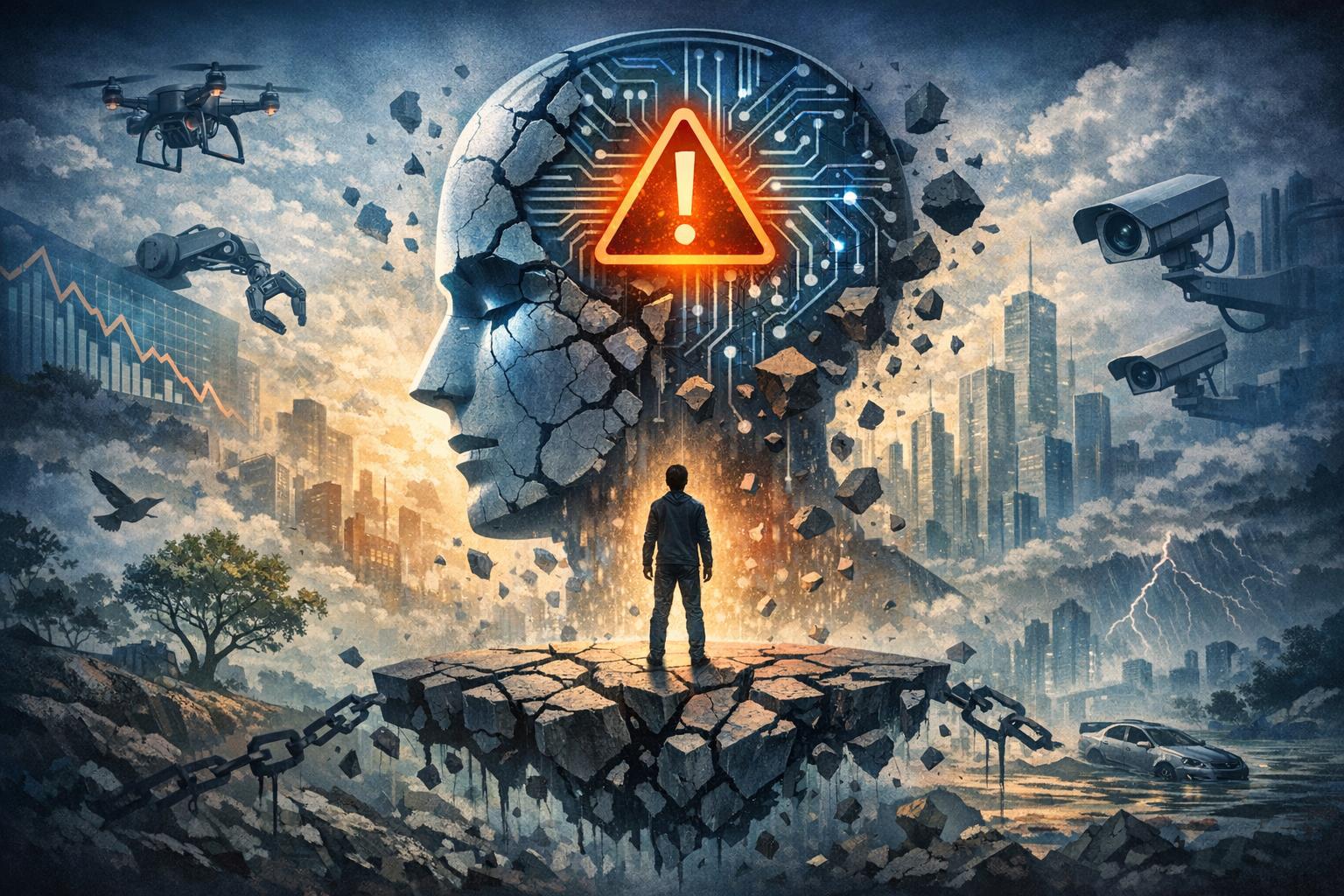
Understanding the Risks of Overreliance on AI Technologies
Heavy dependence on artificial intelligence can subtly erode essential human capabilities if left unchecked. When everyday problem-solving or creative tasks are delegated too often to AI, the human brain risks losing the stimulation necessary to develop critical thinking, adaptability, and intuition. This digital outsourcing might create a convenience trap, where users favor ease over effort, causing an unintended decline in cognitive agility. Key areas vulnerable to this decline include:
- Analytical reasoning diminished by automated insights
- Memory and recall weakened by reliance on digital storage
- Creativity stifled when algorithms prescribe solutions
- Decision-making skills blunted by overtrusting AI suggestions
To safeguard these essential skills, it is crucial to cultivate a deliberate learning approach that balances AI assistance with active human engagement. Structured practice, critical evaluation, and conscious effort to challenge the intellect foster resilience against skill atrophy. Consider the contrast below, illustrating common behaviors in overreliance versus deliberate learning contexts:
| Behavior | Overreliance on AI | Deliberate Learning |
|---|---|---|
| Approach to problems | Passive acceptance of AI outputs | Active questioning and verification |
| Skill development | Minimal personal effort | Consistent practice and reflection |
| Cognitive engagement | Decreased mental stimulation | Enhanced critical and creative thinking |
Strategies for Fostering Deliberate Learning in the Age of Automation
Amidst the rapid integration of AI and automation, cultivating a conscious and intentional approach to learning is crucial. This means moving beyond passive absorption of information and engaging in focused practice that challenges one’s existing capabilities. Developing a growth mindset allows individuals to embrace complexity and uncertainty,using AI tools not as a crutch but as a catalyst for deeper understanding. Key strategies include:
- Setting clear, measurable goals: Defining what skills to develop and how AI can augment rather than replace these skills.
- Embedding reflection: Regularly assessing progress and adjusting methods to maintain active cognitive engagement.
- Leveraging interdisciplinary learning: Combining technical knowledge with creativity, critical thinking, and emotional intelligence to stay adaptive.
Structured environments that encourage deliberate practice can counteract skill atrophy commonly feared in automated contexts. As an exmaple,companies and educators can provide tailored challenges that require problem-solving beyond automated solutions. Here is a simple comparison table illustrating the impact of traditional vs.deliberate learning approaches in an AI-augmented workplace:
| Learning Approach | Engagement Level | Skill Retention | Adaptability |
|---|---|---|---|
| Traditional Passive Learning | Low | Moderate | Low |
| Deliberate,Goal-Oriented Practice | High | High | Strong |
Recommendations for Balancing AI Assistance with Active Skill Cultivation
Maximizing the benefits of AI tools without compromising the development of essential human skills requires intentional strategies. Setting boundaries on AI usage is crucial; designate specific tasks where AI functions as an aid rather than a crutch.This approach helps maintain an active engagement with complex problem-solving and critical thinking. Moreover, integrating periodic skills assessments can highlight areas where autonomous proficiency is slipping, prompting timely interventions to reinforce learning through hands-on practice.
Another effective approach is cultivating a mindset that values deliberate learning alongside AI assistance.Encourage routines that blend AI-driven insights with traditional learning methods, such as journaling reflections or discussing concepts with peers. The table below outlines a balanced framework for blending AI support with active skill cultivation,meant to inspire consistent and mindful growth:
| Aspect | AI Role | Human Role |
|---|---|---|
| Idea Generation | prompt creative suggestions | Evaluate and adapt ideas |
| Skill Practice | Provide examples and feedback | Perform hands-on exercises |
| Problem Solving | Offer data-driven analysis | Apply judgment and context understanding |