
The Evolution of Artistic Creation in the Age of Artificial Intelligence
As artificial intelligence becomes more sophisticated, the lines between human and machine creativity blur, raising profound questions about the essence and value of art.AI-generated works challenge traditional notions by producing pieces that can mimic, reinterpret, or even surpass human techniques in complexity and style. This growth invites us to reconsider what constitutes artistic authenticity and the evolving role of the human artist. Is AI merely a sophisticated tool in the artist’s toolkit, or does it herald a new form of autonomous creativity that can independently shape cultural narratives?
Debates surrounding the ethics of AI art focus heavily on issues such as authorship, originality, and the potential displacement of human creators. Key considerations include:
- ownership: Who holds the rights-the programmer, the user, or the AI itself?
- Clarity: Should artworks disclose the extent of AI involvement?
- Impact: How does AI-generated content affect the livelihood and recognition of traditional artists?
| Aspect | Human Art | AI Art |
|---|---|---|
| Creativity Source | Emotion, Experience | Algorithm, Data |
| Uniqueness | Individual Expression | Pattern Combination |
| Collaboration | Artist to Audience | Human-AI Partnership |
Exploring these issues not only helps clarify the boundaries of artistic creation in the digital era but also encourages a balanced gratitude of both human ingenuity and machine innovation.
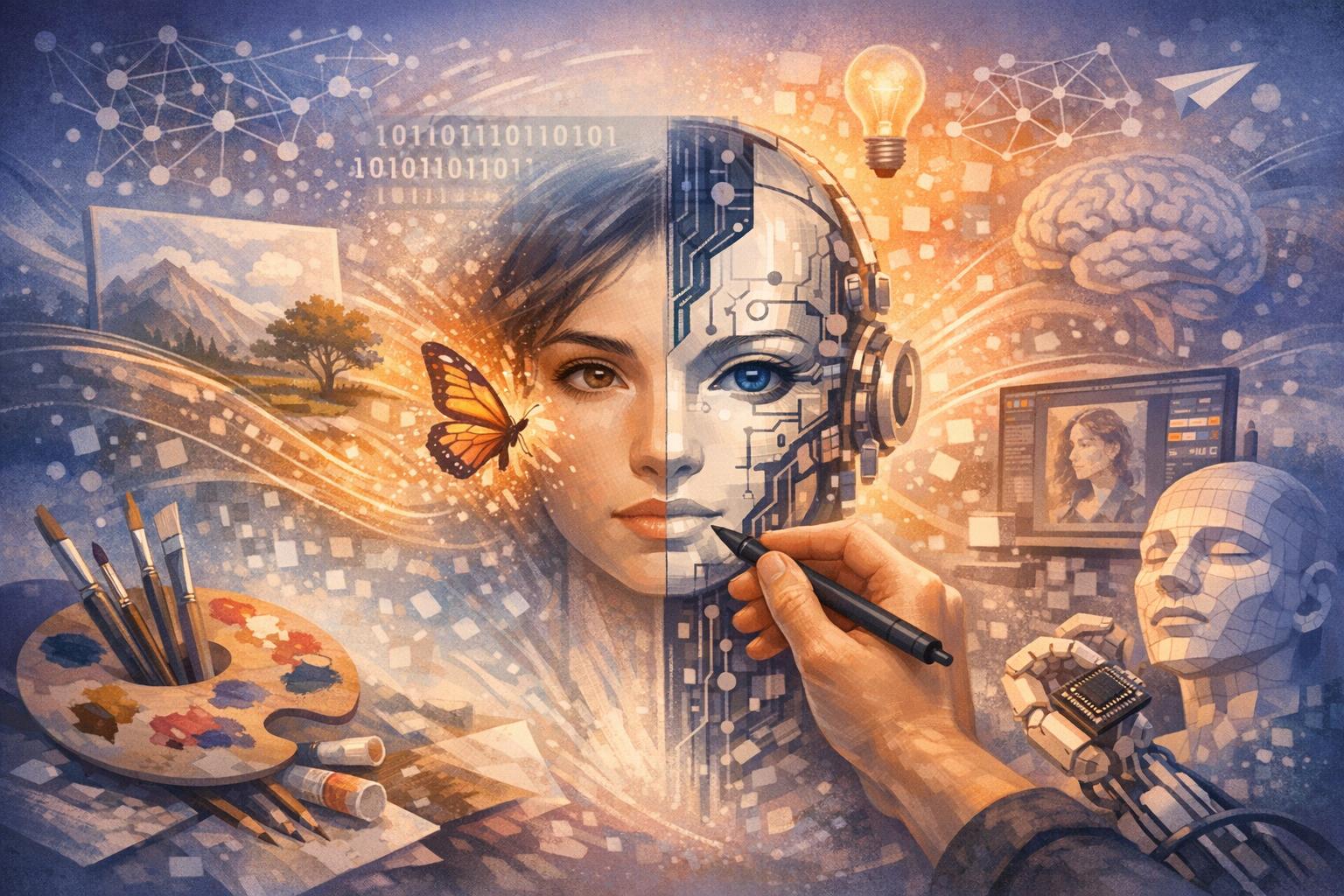
Examining the Human Contribution Behind AI Generated artworks
At the heart of the dialogue surrounding AI-generated art lies the indispensable human element-creators who design algorithms, select training datasets, and curate outputs. While AI executes the rendering process, it is indeed the nuanced decisions by human artists and technologists that shape the final piece. These decisions include:
- Defining artistic guidelines: Setting parameters that influence style and theme.
- Curating input data: Choosing the source material that trains the AI’s “creativity.”
- Iterative refinement: Evaluating and tweaking outputs to align with artistic and ethical standards.
This collaboration blurs the line between pure algorithmic creation and human artistry, raising profound questions about originality and authorship within digital expressions.
| Human Contribution | Impact on AI Art |
|---|---|
| Data Selection | Defines the scope and style AI learns from |
| Algorithm Design | Shapes the creative capabilities and limitations |
| Output Curation | Ensures relevance and quality of artworks produced |
| Ethical Review | Addresses concerns about originality, bias, and consent |
Evaluating the ethical implications, stakeholders must critically assess how human biases embedded in training data affect the integrity of AI art, and also issues of artistic credit and copyright. The human role not only informs but also governs AI’s creative expression,highlighting an essential partnership rather than a replacement.
Ethical Considerations and Intellectual Property Challenges in AI Art
The integration of artificial intelligence into the creative arts prompts important ethical questions that challenge traditional notions of authorship and originality. When an AI algorithm generates an artwork, who truly deserves credit – the programmer, the machine, or the user who guided the process? This blurring of creative ownership calls for a reevaluation of intellectual property laws that have long been grounded in human ingenuity. As AI-produced art gains prominence,the ethical duty to maintain transparency about the extent of human input becomes paramount. Failing to disclose AI involvement can mislead audiences about the nature and authenticity of the work, potentially undermining the value placed on human creativity.
Beyond authorship, the risk of copyright infringement intensifies as AI models often train on vast datasets that include copyrighted works without explicit consent. The table below summarizes key intellectual property challenges arising in AI-generated art:
| Challenge | Description | Potential Impact |
|---|---|---|
| Data Sourcing | Use of copyrighted images for AI training without permission | Legal disputes and demands for compensation |
| Authorship Attribution | Unclear assignment of ownership between human and machine | Copyright ambiguity and ownership conflicts |
| Moral Rights | Respecting original creators’ rights in AI derivatives | Potential erosion of creators’ reputations and rights |
Addressing these challenges requires a collaborative effort from lawmakers, artists, and technologists. Only through adaptive legal frameworks and ethical standards can we ensure AI art respects the values of creativity, fairness, and transparency.
Guidelines for Responsible Use and Appreciation of AI Assisted Artistry
Embracing AI-assisted artistry requires a balanced approach that honors both technological innovation and the irreplaceable creativity of human artists. To foster responsible use, users should prioritize transparency by clearly acknowledging the role AI plays in the creation process. This practice ensures respect for human contributions and helps audiences discern the collaborative nature of AI-generated pieces. Furthermore,maintaining the integrity of original artworks through ethical AI training methods prevents unauthorized replication or appropriation,highlighting the importance of respecting intellectual property rights in the digital age.
Establishing clear guidelines helps both creators and consumers navigate the evolving landscape of AI art. Critical considerations include:
- Attribution: Always credit AI tools alongside human collaborators to maintain clarity and honesty.
- Consent: Avoid using datasets without permission to train AI models,preserving artists’ ownership and moral rights.
- Transparency: Inform audiences about AI involvement in art generation to encourage informed appreciation.
- Fair Compensation: Consider new models of remuneration that acknowledge human creativity within AI-assisted works.
| Aspect | Responsible Practice |
|---|---|
| Data Usage | Only use ethically sourced datasets with consent |
| Attribution | List all contributors, human and AI alike |
| Transparency | Disclose AI’s role in the creative process |
| respect | Honor original artist rights and cultural context |