
How Artificial Intelligence Revolutionizes Cultural Archiving Techniques
Artificial Intelligence (AI) has transformed teh way cultures are preserved by vastly improving the efficiency, accuracy, and depth of archiving techniques. Through advanced machine learning models and neural networks, AI systems can digitize and catalog artifacts with unprecedented precision. These systems automatically analyze textures,patterns,and even damages on physical objects-creating highly detailed digital replicas. AI-powered translation tools facilitate cultural exchange by breaking down language barriers in historical texts and oral traditions, making them accessible to a global audience. Moreover, AI algorithms provide dynamic metadata tagging that allows researchers to quickly retrieve and cross-reference cultural materials from vast repositories.
Key applications of AI in cultural archiving include:
- Restoration: AI-driven restoration tools simulate missing parts or colors in artworks and manuscripts, preserving original aesthetics.
- Translation: Context-aware AI translations retain the nuances of ancient languages and dialects.
- Preservation: Intelligent monitoring systems detect environmental threats to physical archives and suggest preventive measures.
| Technique | AI Contribution | Benefit |
|---|---|---|
| 3D Scanning | Automated geometry recognition | Highly accurate digital artifacts |
| Text Translation | contextual language models | Faithful cultural interpretation |
| Image Restoration | Deep learning image reconstruction | Revived historical visuals |
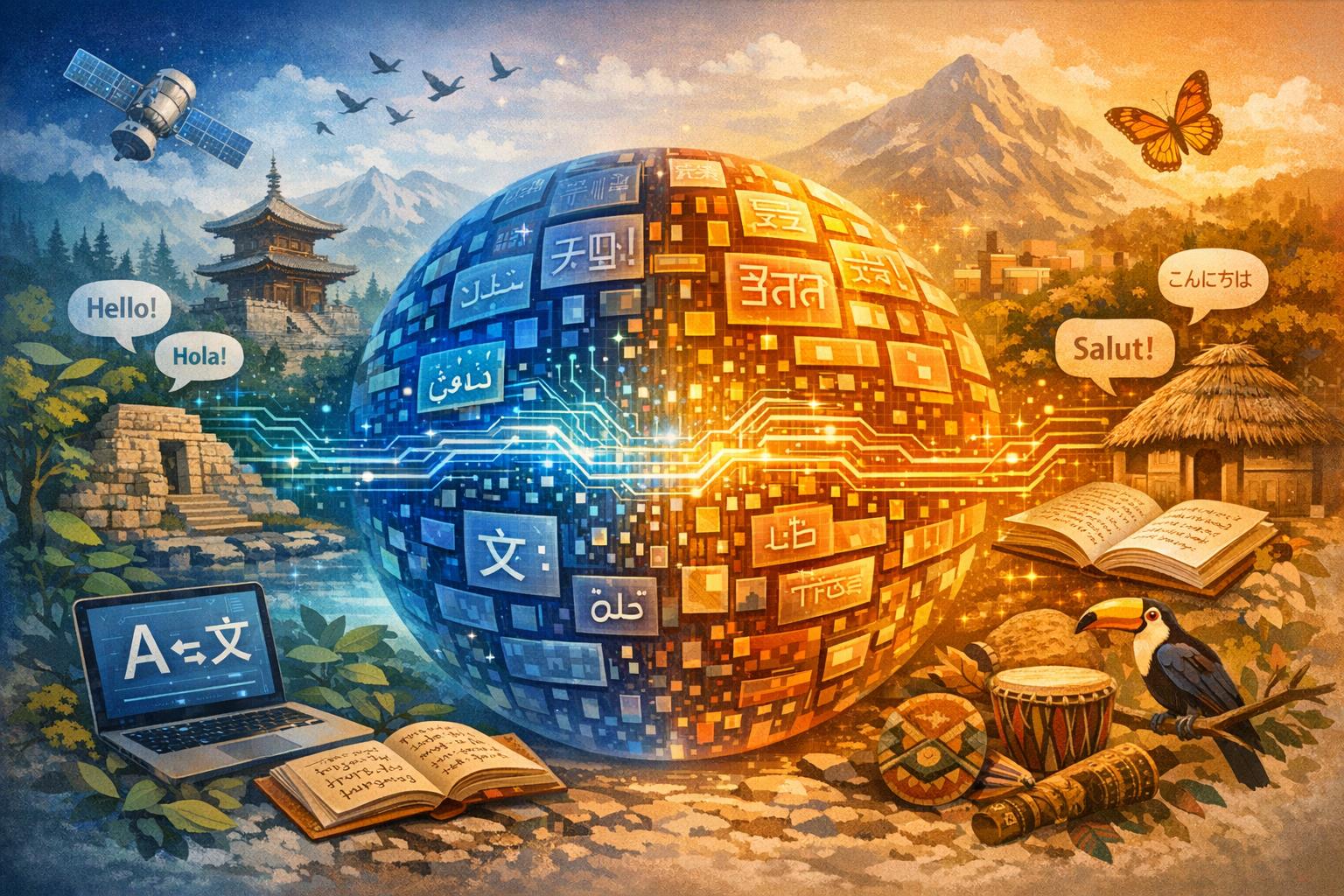
The Role of Machine Translation in Preserving Linguistic Diversity
Machine translation technology has emerged as a powerful ally in nurturing the rich tapestry of global languages. By transcending geographical and linguistic barriers, AI-powered translation tools are not only facilitating dialog but are also safeguarding languages teetering on the brink of extinction. These systems enable communities to document oral histories, folklore, and traditional knowledge in digital formats, making endangered languages accessible to younger generations and researchers worldwide. Such preservation efforts ensure that the cultural nuances embedded within a language are not lost to time, allowing diverse societies to retain their unique identities in an increasingly homogenized world.
Key contributions of machine translation in linguistic preservation include:
- Instant translation of rare dialects preserving contextual accuracy
- Creation of multilingual digital archives and accessible language repositories
- collaboration platforms for native speakers and linguists to refine AI models
| Language | Number of Speakers | AI Translation Status |
|---|---|---|
| Sámi | 20,000 | In Progress |
| Māori | 150,000 | Partially Supported |
| Basque | 750,000 | Well Supported |
| Navajo | 170,000 | Experimental |
AI-Driven Restoration methods for Reviving Endangered Artifacts and Traditions
Modern artificial intelligence technologies have unlocked unprecedented possibilities in the realm of cultural preservation. By deploying advanced machine learning algorithms and neural networks, AI can digitally reconstruct damaged artifacts with astonishing accuracy. These intelligent systems analyze fragmented remains, historical data, and visual patterns to recreate lost features and textures. Additionally, AI-powered tools enhance restoration efforts by simulating original colors, materials, and artistic techniques, ensuring that revived objects maintain their authenticity. Such technological breakthroughs not only save physical relics from permanent decay but also allow scholars and the public to experience heritage artifacts in states closer to their original splendor.
Beyond physical restoration,AI’s impact is profoundly felt in the preservation of intangible cultural traditions through intelligent archiving and translation. Natural language processing models facilitate the decoding and digitization of endangered dialects, oral histories, and ancient scripts that were previously inaccessible or at risk of extinction. These systems provide:
- Automated transcription of oral recordings to written formats
- Multilingual translation preserving semantic and contextual nuances
- Contextual annotation that helps research communities understand cultural significance
The integration of these methods creates comprehensive digital repositories, ensuring that the rich tapestry of human cultural memory is archived with precision and made accessible worldwide for future generations.
Strategic Implementation of AI Tools for Sustained Cultural Preservation and Access
Artificial Intelligence is revolutionizing the ways cultural heritage is preserved, accessed, and revitalized for future generations. By harnessing powerful AI algorithms, institutions can archive vast amounts of cultural data – from ancient manuscripts to oral traditions – with unparalleled efficiency and accuracy.AI-driven digitization not only secures fragile artifacts against physical degradation but also enables the creation of comprehensive, searchable databases accessible worldwide. These systems employ pattern recognition and metadata tagging to organise cultural content, making it easier for researchers, educators, and communities to explore and engage with their history.
Beyond preservation, AI tools facilitate seamless translation and restoration efforts, breaking language barriers and restoring lost or damaged elements of cultural artifacts. Machine learning models can decode and translate endangered languages, ensuring that oral histories and literary works endure. Moreover, AI-powered image enhancement and reconstruction technologies revive faded artworks and damaged relics, offering a glimpse into cultural richness that might have otherwise vanished. The strategic deployment of these tools fosters inclusive cultural dialogue and helps maintain an uninterrupted connection between past, present, and future.
| AI Application | Impact | Examples |
|---|---|---|
| Archiving & Cataloging | Enhanced preservation and accessibility | Digital libraries, Cultural databases |
| Automated Translation | Overcomes language barriers in cultural texts | Endangered language conservation |
| Restoration & Reconstruction | Revives damaged or lost cultural assets | Art restoration, Ancient manuscript repair |