
The Role of AI in Digitizing and safeguarding Cultural Heritage
Modern artificial intelligence technologies have revolutionized how we approach the preservation and accessibility of cultural heritage. Through advanced algorithms and machine learning, AI facilitates the digitization of priceless artifacts, documents, and monuments that were once at risk of degradation or loss. Techniques such as 3D scanning and image recognition create detailed digital replicas, ensuring that these cultural treasures are not only archived but also enriched with contextual data like historical background, provenance, and restoration history. This multifaceted digital preservation enables researchers, educators, and the public to engage deeply with heritage materials in ways that physical access alone could never allow.
Key advantages of AI in this domain include:
- Automated restoration: AI can identify and even reconstruct missing or damaged sections of cultural objects.
- Enhanced accessibility: Digital archives powered by AI enable virtual tours, multilingual translations, and personalized experiences.
- Data-driven insights: Machine learning analyses uncover patterns and connections across vast cultural datasets, unlocking new historical understandings.
| AI Submission | Benefit | Example |
|---|---|---|
| 3D Reconstruction | Preserving structure and detail | Digitizing ancient temples |
| Text Recognition | Recovering lost manuscripts | translating historical scripts |
| Virtual Reality | Immersive cultural experiences | Exploring archaeological sites remotely |
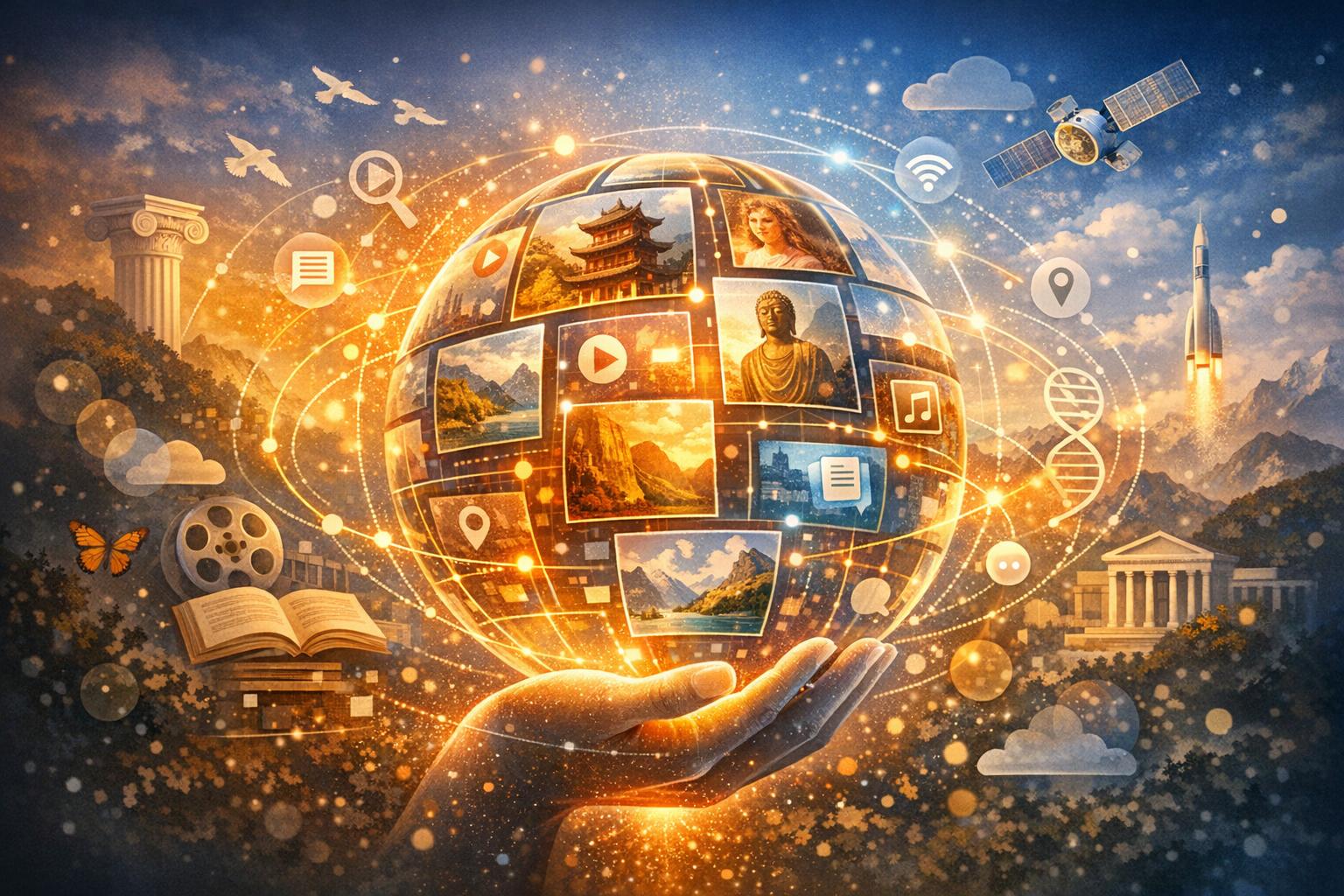
Enhancing Cultural Accessibility Through Intelligent Content Curation
AI-driven content curation platforms revolutionize how cultural artifacts, artworks, and stories are selected and presented, ensuring that a diverse range of voices gain visibility. By employing advanced algorithms that analyze user preferences and cultural contexts, these intelligent systems can highlight underrepresented traditions and histories, making them accessible to broader audiences.This not only preserves cultural heritage but also fosters cross-cultural understanding,encouraging engagement with narratives that might otherwise remain obscure.
Key benefits of AI in cultural accessibility include:
- Personalized Content delivery: Tailors experiences that reflect individual cultural interests and learning styles.
- Dynamic Multilingual Support: Breaks down language barriers by providing real-time translations and culturally relevant adaptations.
- Scalable Archiving: Assists museums,libraries,and cultural institutions in digitizing and categorizing vast collections efficiently.
| Feature | Impact | Example |
|---|---|---|
| Algorithmic Diversity Filtering | Highlights marginalized cultural content | Discovering indigenous art in global collections |
| Context-Aware Recommendations | Enhances user relatability and engagement | Suggesting local folklore to tourists |
| AI-Powered Metadata Tagging | Improves searchability and cataloging | Automated labeling of historical manuscripts |
Leveraging AI for Inclusive Multilingual and Multimodal Cultural Experiences
Artificial Intelligence is revolutionizing the preservation and accessibility of cultural heritage by breaking down language and sensory barriers that traditionally limited engagement. Through multilingual natural language processing models, AI enables seamless translation and interpretation across diverse languages, allowing global audiences to experience cultural artifacts, literature, and oral histories in their native tongues. Beyond language, AI-powered multimodal systems combine text, audio, and visual data to create rich, immersive experiences that vividly convey cultural narratives.
Key innovations transforming cultural access include:
- Speech-to-text and text-to-speech engines that amplify oral traditions and storytelling with high fidelity and in multiple languages.
- Image recognition and enhancement tools that restore and digitize visual artifacts, making them interactive and accessible to visually impaired users through descriptive audio.
- cross-modal search and suggestion engines that link related cultural content across different formats,encouraging deeper exploration and understanding.
| AI Capability | Impact on Cultural Experience |
|---|---|
| Multilingual NLP | Global access to texts and stories |
| Speech Technologies | Preservation of oral histories |
| Image & Video Processing | Enhanced artifact interaction |
| Cross-Modal Exploration | Integrated cultural journeys |
Strategic recommendations for Ethical AI Implementation in Cultural Preservation
Embedding ethical principles into AI-driven cultural preservation efforts demands a multi-layered strategy that prioritizes openness, inclusivity, and sustainability. Organizations must implement robust frameworks that ensure data provenance and consent, safeguarding the rights of indigenous communities and cultural stakeholders. Key practices include:
- Establishing clear protocols for community approval before digitization or AI analysis of cultural assets.
- Ensuring AI models are continuously audited for cultural bias and interpretative accuracy.
- Promoting multilingual AI interfaces to respect and amplify lesser-known languages and dialects.
Moreover, collaboration between technologists, cultural experts, and ethicists must become a standard pillar to foster shared ownership and trust. Strategic investment in open-source AI tools enables equitable access and encourages innovations tailored to diverse cultural contexts. The following table illustrates priority focus areas for integrating ethics into AI initiatives within cultural heritage domains:
| Focus Area | Strategic Action | Expected Outcome |
|---|---|---|
| Consent & Representation | Develop participatory decision-making frameworks | Empowers communities, reduces exploitation risk |
| Bias Mitigation | Routine AI auditing & diverse dataset inclusion | Enhances accuracy and cultural sensitivity |
| Sustainability | Adopt scalable, energy-efficient AI solutions | Long-term preservation with minimal environmental impact |