
The Role of Artificial Intelligence in Electoral Misinformation dynamics
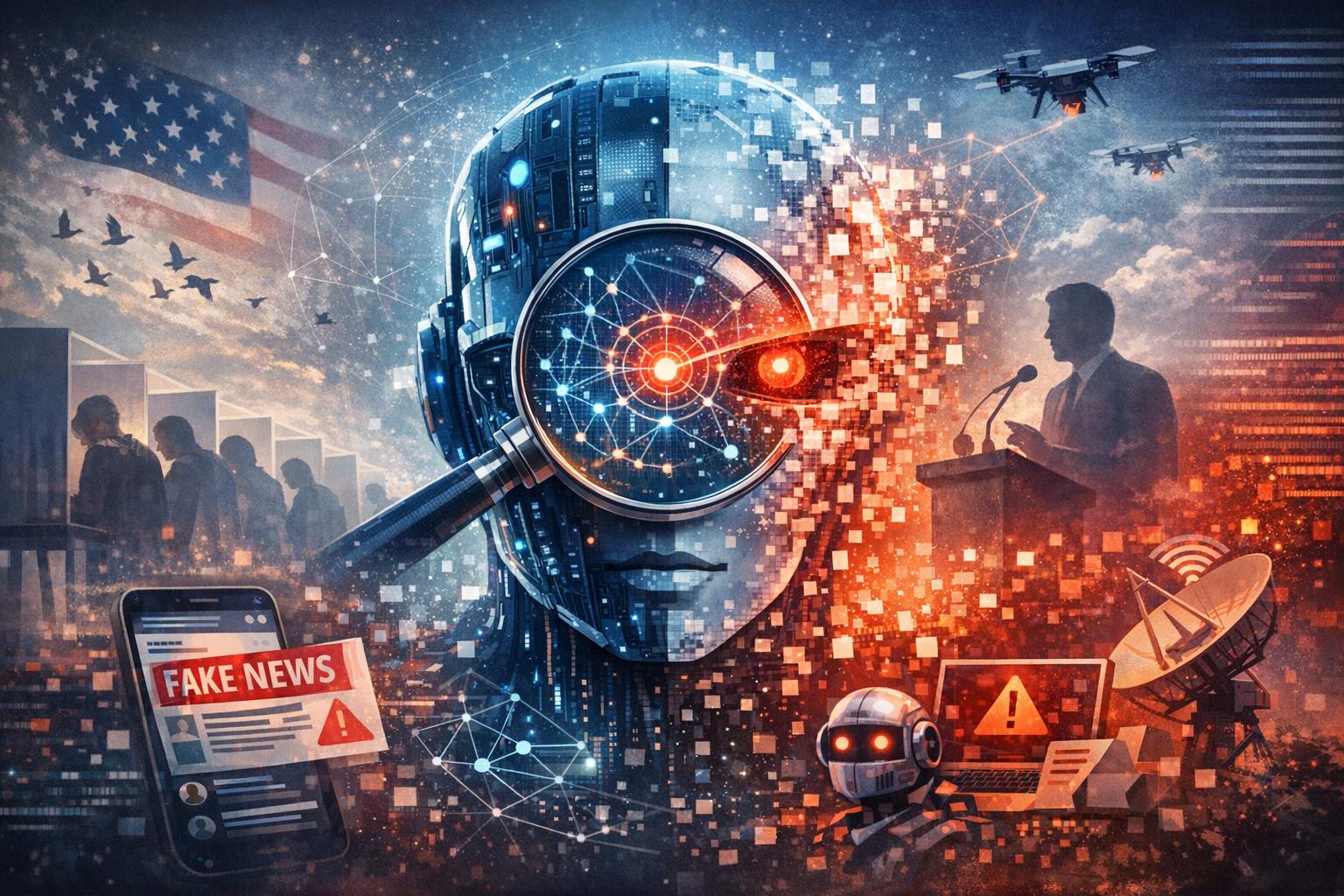
Artificial Intelligence has significantly reshaped the landscape of electoral data dissemination, making it a double-edged sword in the context of misinformation. On one hand, AI-powered algorithms can tailor content to specific audiences, enhancing outreach and engagement. Yet, this very capability is exploited to generate and propagate false narratives with uncanny precision, frequently enough blending fabricated content seamlessly into the digital ecosystem. This not only misleads voters but also erodes trust in democratic processes.A critical factor is the ability of AI to produce deepfakes, automated bots, and hyper-personalized propaganda at scale, creating an surroundings where distinguishing truth from falsehood becomes a daunting challenge for the electorate.
Addressing these AI-driven misinformation dynamics requires a multi-faceted strategy rooted in technological innovation and policy reform. key approaches include:
- Adaptive AI detection systems: Implementing AI tools that evolve alongside misinformation tactics to identify and flag deceptive content in real time.
- Transparency protocols: Mandating clear labeling of AI-generated content to inform users about the nature and source of election-related information.
- Collaborative frameworks: Encouraging partnerships between technology firms, governments, and civil society to create rapid response teams for misinformation crises.
- Public education campaigns: Empowering voters through digital literacy programs that highlight the mechanics of AI misinformation and teach critical evaluation skills.
| Challenge | AI-driven Impact | Mitigation Strategy |
|---|---|---|
| Deepfake Videos | Highly realistic fake candidate speeches | AI-based video verification tools |
| Bot networks | Amplification of false narratives | Real-time bot activity monitoring |
| Personalized Propaganda | Targeted voter manipulation | Algorithm transparency and regulation |
Identifying and Analyzing AI-driven Disinformation Campaigns in Elections
Disinformation campaigns powered by artificial intelligence employ complex techniques that transcend traditional misinformation methods, leveraging deepfakes, automated bots, and algorithmic amplification to distort electoral narratives. Effective identification hinges on deploying advanced analytic tools that detect subtle patterns such as unnatural posting rhythms, synthetic media artifacts, and coordinated behavior across platforms. Key indicators include:
- High-volume, rapid propagation of identical content
- Suspicious network clusters exhibiting synchronized activity
- Use of AI-generated images and videos lacking authentic provenance
Harnessing machine learning models trained on vast datasets can facilitate early detection by continuously learning to distinguish between genuine discourse and manipulative content tailored to exploit voter emotions and biases.
Once disinformation vectors are identified, comprehensive analysis must contextualize their intent, reach, and potential impact on voter decision-making. This involves cross-disciplinary collaboration integrating data science, political analysis, and cybersecurity. A practical framework for intervention includes:
| Analysis Phase | Focus Area | Strategic Outcome |
|---|---|---|
| Source Attribution | Identifying origin and networks | Disrupting coordination channels |
| Content Deconstruction | Examining narrative framing | Counter-messaging development |
| Impact Assessment | Measuring audience reach and sentiment | Prioritizing resource allocation |
By institutionalizing these measures with adaptive policies and transparency mandates, electoral systems can bolster resilience against AI-driven manipulations that threaten democratic integrity.
Technological and Policy-based Interventions to Counter AI Misinformation
Addressing AI misinformation in electoral contexts demands a fusion of advanced technological tools and robust policy frameworks. On the technological front, algorithmic detection systems have become critical; these systems leverage machine learning to identify and flag deepfakes, synthetic media, and bot-generated content in real time. Platforms have also integrated contextual verification layers, which cross-reference content against verified databases to reduce the spread of falsehoods. Beyond detection, automated content labeling informs users about the provenance and authenticity of political information, enhancing public discernment.
simultaneously, policy-based measures create an accountable environment where tech companies and political actors are held responsible. These include:
- Mandatory transparency reports detailing AI content moderation efforts and misinformation trends.
- Legislative safeguards requiring rapid takedown of proven disinformation linked to electoral interference.
- Cross-sector collaborations that bring together governments, civil society, and tech firms to standardize misinformation definitions and response protocols.
Together, these interventions form a multipronged defense that strengthens electoral integrity by proactively disrupting misinformation cycles before thay escalate into mass influence campaigns.
building Public Resilience Through Education and Transparent Communication Strategies
Empowering citizens to discern fact from fiction is pivotal. Educational initiatives must focus on nurturing critical thinking skills and media literacy from early education through adulthood. by incorporating interactive workshops, accessible online modules, and community forums, individuals become better equipped to identify and challenge AI-generated misinformation. Key components include:
- understanding AI tools: explaining how AI-generated content is created and disseminated.
- Recognizing manipulation techniques: Identifying deepfakes, synthetic voices, and altered visuals.
- Evaluating sources: Training to verify the credibility of news and social media posts.
Transparency in communication from electoral bodies and media outlets plays a crucial role in fostering public trust. Proactively sharing data on election processes, real-time fact-checking, and clear clarification of suspicious content helps diminish the impact of false narratives. Collaboration between goverment agencies,autonomous watchdogs,and technology platforms shoudl emphasize open dialog and consistent updates,reinforcing the public’s confidence. Consider the following elements for effective transparency:
| Strategy | Description | impact |
|---|---|---|
| Real-time Fact-Checking | deploy tools to verify information during broadcasts. | Reduces spread of false claims rapidly. |
| Open Data Access | Publish election data for independent analysis. | Enhances transparency and accountability. |
| Public Q&A Sessions | Engage voters through live forums addressing concerns. | Builds trust and addresses misinformation directly. |