
The Role of Artificial Intelligence in the Modern Writing Process
Artificial Intelligence has become an indispensable tool for modern writers, streamlining the drafting, editing, and research phases. By leveraging AI, authors can generate ideas, overcome writer’s block, and even receive real-time grammar and style suggestions that enhance clarity and flow. However, while machines can process vast amounts of data and produce coherent text rapidly, they lack the intrinsic human ability too infuse narrative with emotion, context, and cultural nuance-elements essential for resonating deeply with readers.
In the creative ecosystem, AI acts more as a powerful collaborator than an autonomous author. Writers bring a unique skill set that includes critical thinking, emotional intelligence, and ethical considerations which shape compelling and meaningful works.Consider this simple comparison:
| AI Capabilities | Human Skills |
|---|---|
| Data-driven content generation | Emotional storytelling |
| consistency in style and tone | Cultural sensitivity and context |
| Rapid information synthesis | Ethical judgment and authenticity |
- AI enriches the writing process by automating mundane tasks, leaving creators free to innovate.
- Human input remains indispensable for imbuing works with the depth and soul that define enduring literature.
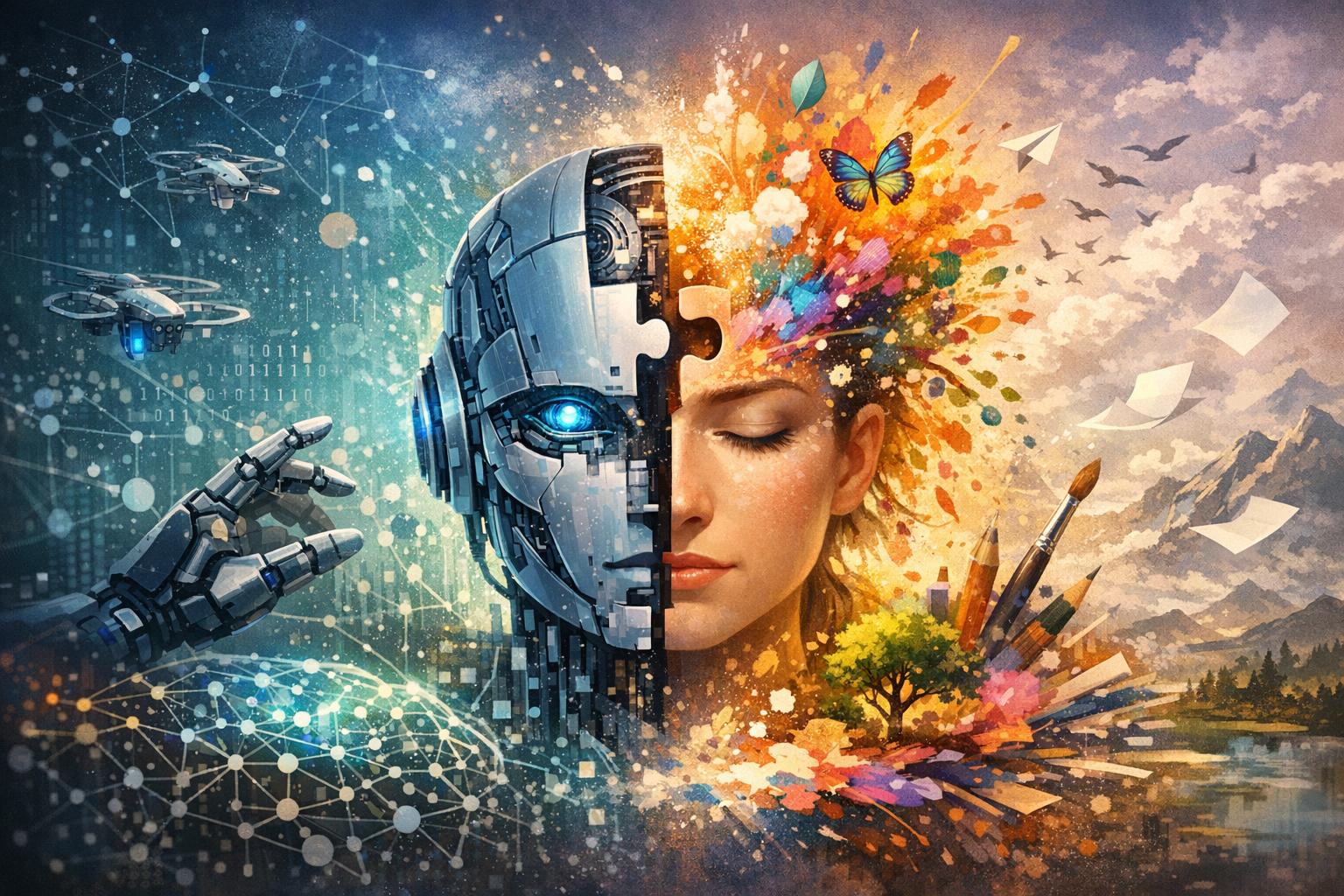
Understanding the Limitations of AI in Capturing Human Creativity
Artificial intelligence has undoubtedly revolutionized many aspects of writing, offering tools to generate text, suggest plotlines, and even mimic certain literary styles. However,these systems function within the confines of pre-existing data and algorithms,lacking the nuanced emotional depth and context that human authors embed in their work. While AI can assemble sentences and structure narratives that seem coherent, it falls short in genuinely capturing the complexity of human experience-empathy, irony, cultural subtext, and the spontaneous spark of imagination remain elusive to its logic-driven processes.
Key limitations of AI in creating truly creative literature include:
- Absence of authentic emotions: AI cannot truly feel joy, sorrow, or passion, which are essential to creating compelling characters and stories.
- Dependency on existing data: AI’s creativity is bound by patterns in its training data, limiting originality and innovation.
- Lack of intuitive judgment: Human authors integrate intuition and personal experiences to make bold narrative choices that AI cannot replicate.
| Human Creativity Aspect | AI Capability |
|---|---|
| Emotional Depth | Simulated but shallow |
| Spontaneity | Rule-based output |
| Original Thought | Pattern replication |
| Cultural Context | Limited understanding |
Essential Human Skills That Elevate Literary Quality and Emotional Depth
While artificial intelligence can mimic patterns and generate coherent narratives, it remains limited in capturing the nuanced human experiences that breathe life into literature. The subtleties of empathy, moral conflict, and cultural context demand a depth of understanding that transcends algorithmic computation. Human writers bring an irreplaceable intuition for pacing, thematic layering, and emotional resonance-elements that connect readers not only to the plot but also to the shared essence of humanity. These skills ensure stories do more than entertain; they provoke thought, evoke genuine feeling, and inspire change.
Consider the following essential skills that elevate literary works beyond mere words:
- Emotional Intelligence: The capacity to perceive and express nuanced feelings, shaping characters that resonate authentically.
- Cultural Literacy: Deep understanding of societal norms and histories that provide context and depth to narratives.
- creative Intuition: Ability to foresee narrative possibilities and weave intricate plotlines with originality.
- Critical Reflection: The skill to scrutinize themes and motifs, enriching the text with layered meanings.
| Human Skill | Contribution to Literary Quality | AI Limitation |
|---|---|---|
| Empathy | Creates believable, relatable characters | Struggles to authentically replicate emotions |
| Cultural insight | Infuses narratives with authentic context | Lacks deep contextual understanding |
| Subtextual Awareness | Adds layers of meaning and symbolism | Tends to produce surface-level content |
Best Practices for Integrating AI Tools Without Compromising Authorial Voice
Successfully blending AI tools into the writing process demands a strategic approach centered around preserving the unique voice that defines an author’s work. Writers should leverage AI primarily for tasks that enhance productivity-such as idea generation, grammar checks, or structural suggestions-without allowing automated content to overshadow their personal style. Maintaining creative control means using AI outputs as merely a foundation or a prompt, rather than a final product. This ensures that the narrative remains authentic, nuanced, and resonant with the author’s original intent.
Moreover, developing a routine for iterative review and revision is critical. By carefully scrutinizing AI-generated content, writers can refine tone, pacing, and emotional depth to align with their established voice. Consider the following best practices to uphold authorial integrity when integrating AI:
- Customize AI settings: Tailor tool preferences to reflect stylistic tendencies.
- Use AI as a collaborator, not a creator: Let the tool support but not replace your critical decisions.
- Retain ownership of ideas: Apply human judgment to evaluate and adapt suggestions.
- Continuously refine drafts: Edit AI inputs to harmonize with personal narrative rhythm.
| AI Function | Human Role | Outcome |
|---|---|---|
| Idea prompts | Creative filtering | Unique story seeds |
| Grammar corrections | Voice preservation | Polished yet original prose |
| Structure suggestions | Personal narrative shaping | Coherent, engaging flow |