
The Capabilities and Limitations of AI in Book Writing
Artificial intelligence has made remarkable strides in automating the writing process, with tools capable of generating coherent narratives, character backgrounds, and even mimicking diverse literary styles. AI excels at processing vast amounts of data quickly, enabling it to create content that is structurally sound and grammatically accurate. This technology can assist authors by producing first drafts, suggesting plot developments, or even generating entire chapters based on given prompts. its ability to maintain consistency in tone and pace makes it a valuable asset for handling repetitive or formulaic writing tasks.
Though, AI-generated books currently lack the depth of human insight, emotional nuance, and cultural context that resonate deeply with readers. Despite advances in natural language processing, machines cannot yet replicate the subtle creativity, empathy, and experiential understanding that underpin compelling storytelling. Key limitations of AI in book writing include:
- lack of original inspiration and emotional intelligence
- Inability to fully grasp complex character growth and thematic depth
- Dependence on existing data, restricting true innovation
- Potential ethical concerns regarding authorship and originality
| Capability | limitation |
|---|---|
| Rapid content generation | Shallow emotional impact |
| Consistent style and format | Lacks authentic voice |
| Data-driven plot suggestions | Limited creative intuition |
Ultimately, the synthesis of AI’s processing power with human creativity offers the most promising path forward, where technology enhances rather than replaces the invaluable artistry of human authors.
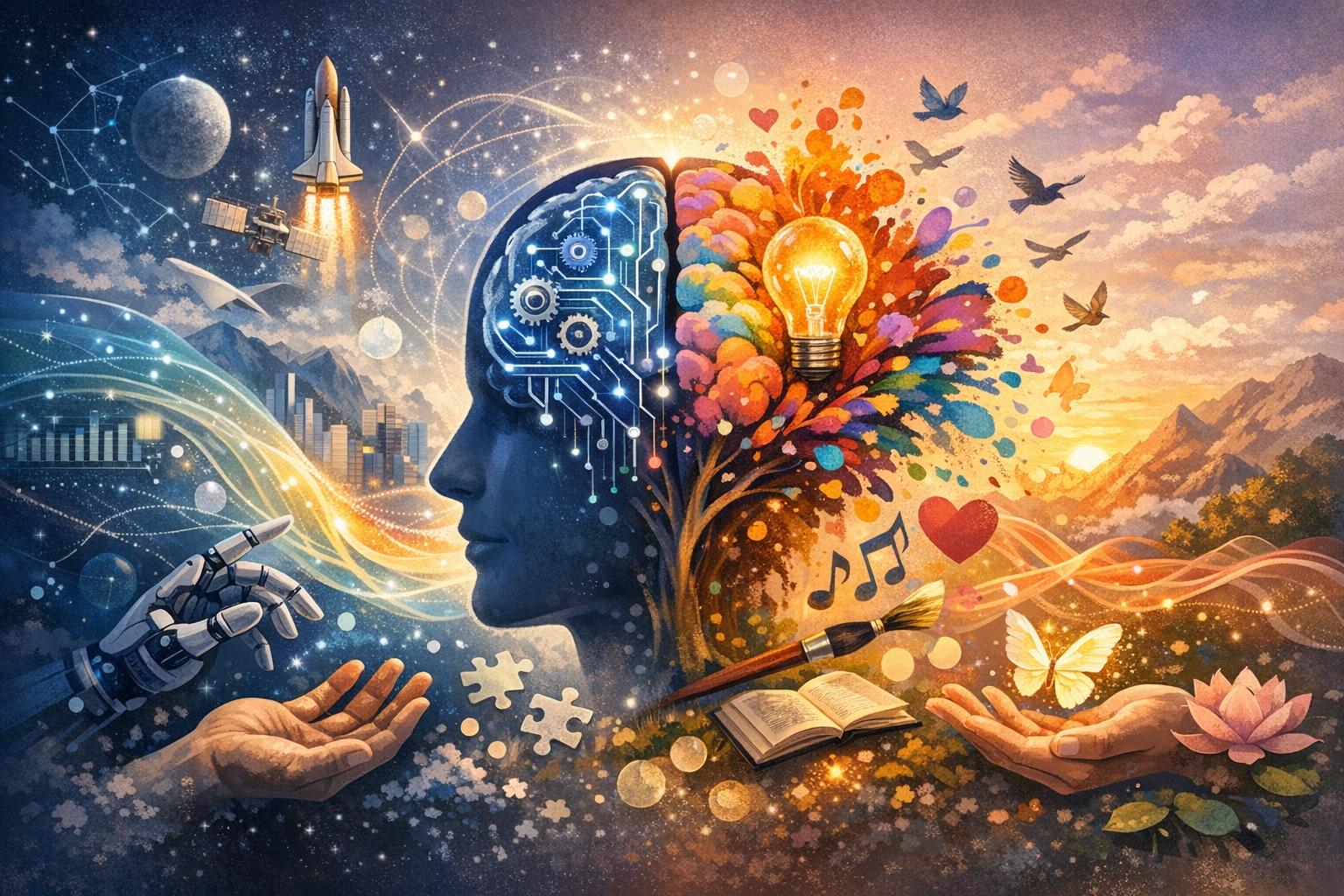
The Integral Role of Human Creativity and Emotional Intelligence
While artificial intelligence excels in processing vast amounts of data and generating coherent text, it lacks the nuanced understanding that stems from genuine human experience. The essence of storytelling hinges on subtle emotional cues and personal insight-elements AI cannot innately grasp or replicate. Human creativity fuels the depth and authenticity of a narrative, weaving complex characters, mood shifts, and profound themes that resonate on a deeply emotional level. Emotional intelligence allows authors to anticipate reader responses and craft stories that evoke empathy, suspense, or joy, creating a connection far beyond mere words on a page.
Consider these key facets only human writers bring to the table:
- Contextual Sensitivity: Understanding societal nuances and cultural subtleties to enrich storytelling.
- Intuitive Adaptability: Shaping narrative flow in response to evolving emotional tones and reader engagement.
- Original Interpretation: Transforming personal experiences and reflections into unique literary expressions.
| Aspect | AI capability | Human Contribution |
|---|---|---|
| Emotional Depth | Simulated | Innate and authentic |
| Cultural Insight | Limited data-driven | Contextual and evolving |
| Creative Innovation | Pattern-based | original and intuitive |
Strategies for Integrating AI Tools with Human Authorship
Blending artificial intelligence with human creativity involves a careful balance that leverages the unique strengths of both. Authors can augment their writing process by using AI tools for research synthesis, generating plot ideas, or drafting initial text, while maintaining control over the narrative voice and emotional depth. Effective integration often includes iterative collaboration where AI outputs are critically reviewed and refined by the human author, ensuring that authenticity and nuance remain intact. This hybrid approach capitalizes on AI’s efficiency in handling data and repetitive tasks, freeing writers to focus on conceptual innovation and expressive storytelling.
To optimize this synergy, implement strategies like:
- Task segmentation: Assign routine or data-heavy sections to AI, such as fact-checking or creating character backgrounds, while reserving thematic development and stylistic decisions for the author.
- Feedback loops: Create multiple drafts where AI-generated material is progressively enhanced by human insight, ensuring clarity and narrative cohesion.
- Ethical oversight: Maintain transparency about AI involvement and uphold standards that respect intellectual property and avoid bias.
| Step | AI Role | Human Contribution |
|---|---|---|
| initial Draft | Content generation based on prompts | Guiding theme and tone |
| Editing | Suggest improvements and flag inconsistencies | Refinement and emotional depth |
| Final Review | Technical checks (grammar, formatting) | Artistic judgment and authenticity |
Best Practices for Ensuring Authenticity and Originality in AI-Assisted Books
To safeguard the uniqueness and reliability of AI-assisted books, authors must establish a robust editorial framework that prioritizes human intervention. This includes thorough fact-checking, critical content review, and contextual adaptation to ensure that AI-generated text aligns with the author’s voice and purpose. While AI can efficiently draft or generate ideas, the human touch is indispensable for injecting nuance, emotion, and cultural relevance, wich machines inherently lack. Leveraging AI as a co-creator demands continuous oversight to prevent replication of existing content, misinformation, or loss of originality.
- Implement layered review processes: Multiple rounds of human editing to refine AI drafts.
- Use plagiarism detection tools: Verify that AI content does not replicate existing text verbatim.
- Maintain transparent documentation: Record AI contributions and human edits to uphold accountability.
- Cultivate authentic storytelling: Integrate personal insights and research that AI cannot generate.
| Practice | Benefit | Human Role |
|---|---|---|
| Fact Verification | Accuracy & Credibility | In-depth research & validation |
| content Personalization | Unique voice & engagement | Emotional & cultural adaptation |
| AI Output Auditing | Originality assurance | Cross-checking & plagiarism checks |