
The Role of AI in Enhancing Creative Processes for Content Makers
Artificial Intelligence has swiftly become an indispensable ally in the creative toolkit, offering content makers unprecedented avenues to enhance productivity and originality.By leveraging AI-powered algorithms, creators can quickly generate ideas, draft outlines, and even produce preliminary content iterations. This synergy allows the human mind to focus on refining concepts and injecting personal style, rather than grappling with repetitive or time-consuming tasks. The key lies in understanding AI as a collaborator that amplifies creativity rather than replacing intuition and emotional nuance.
Effective integration of AI tools into creative workflows involves:
- Utilizing AI for data-driven insights and trend analysis to tailor content to audience preferences.
- Employing automated editing and grammar tools to maintain high writing standards effortlessly.
- Exploring AI-generated multimedia elements to complement textual content and spark inspiration.
- Maintaining a balance by critically reviewing AI outputs to preserve authenticity and originality.
| AI Feature | Creative Benefit | Best Practice |
|---|---|---|
| Content Idea Generator | Speeds up brainstorming | Use as a starting point, customize heavily |
| Automatic Editing | Improves clarity & correctness | Review suggestions critically |
| Multimedia Synthesis | Enriches engagement | Blend AI visuals with creator’s vision |
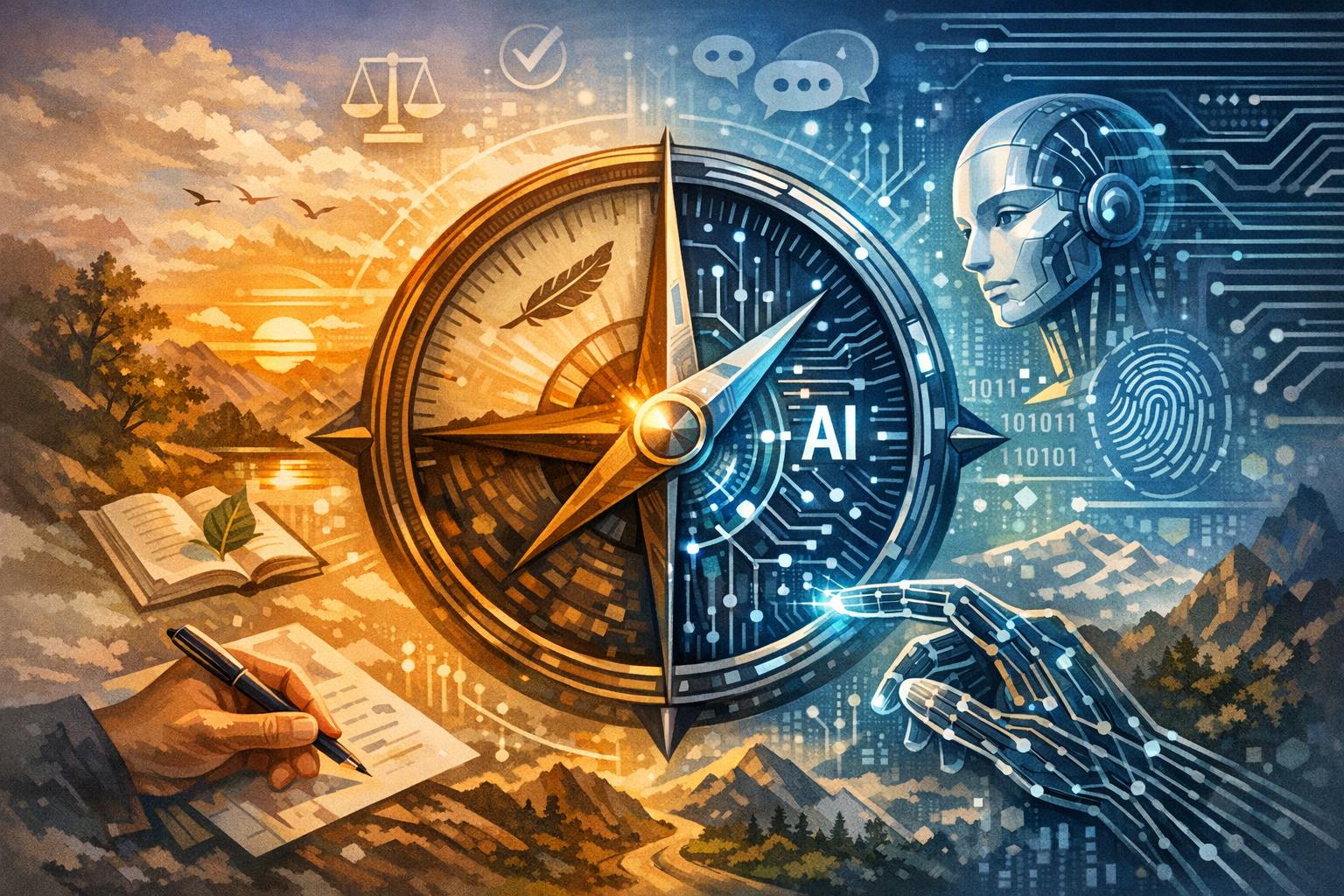
Navigating Ethical Considerations and Maintaining authenticity in AI-Assisted Content
In the rapidly evolving landscape of content creation, leveraging AI tools presents a powerful possibility but also demands careful ethical consideration. Ensuring clarity about AI’s role in the creative process is critical-not only to maintain trust with audiences but also to uphold the integrity of one’s personal brand. Content creators must strike a balance by clearly delineating when AI-assisted elements are used,avoiding any form of misleading representation. This approach respects the audience’s right to authentic engagement while fostering an environment were creativity remains a human-centric endeavor.
Key ethical considerations include:
- Disclosure: Always inform your audience when AI contributes to content development, whether in writing, design, or multimedia.
- Originality: Use AI tools to enhance ideas, not replace original thought or plagiarize existing works.
- Bias Awareness: be vigilant about inherent biases in AI outputs and actively work to mitigate thier impact.
- Data Privacy: Ensure that any data fed into AI conforms to privacy standards and respects user confidentiality.
| Ethical Principle | Practical Request | Outcome |
|---|---|---|
| Transparency | Include AI disclaimers | Builds trust and credibility |
| creativity Preservation | Use AI to brainstorm, not reproduce | Maintains originality |
| Bias Mitigation | Review AI content critically | Ensures fairness and inclusivity |
Strategies for Integrating AI Tools Without Compromising Originality
To effectively leverage AI tools while safeguarding the uniqueness of your creative output, it’s essential to incorporate them as enhancements rather than replacements for your original ideas. Start by using AI-generated suggestions as a springboard: let them inspire new directions without dictating the entire narrative. Maintain a hands-on approach in editing and shaping AI outputs, ensuring that your voice and style remain dominant. This purposeful blending ensures that technology serves your creativity,not overshadows it.
key tactics to balance AI integration include:
- Selective Prompting: Craft precise inputs to steer AI responses, reducing generic outputs.
- Layered Review: Edit AI suggestions rigorously to align with your brand’s tone.
- Original Content Anchoring: Always pair AI enhancements with your unique concepts or research.
- Continuous learning: Keep evolving your skills to adapt AI as a tool, not a crutch.
| Strategy | Purpose | Example Application |
|---|---|---|
| Selective Prompting | Guide AI output specificity | using detailed prompts for technical blog drafts |
| Layered Review | Preserve content voice and polish | Rewriting AI drafts with personalized anecdotes |
| Original Content Anchoring | Maintain uniqueness and authority | Embedding personal research findings |
| Continuous Learning | Enhance creator adaptability | Studying AI capabilities and creative trends |
Best Practices for Sustainable and Balanced Use of AI in Creative Workflows
Harnessing AI in creative workflows demands an intentional balance to preserve the unique spark of human imagination. While AI tools offer remarkable efficiencies and novel ideation pathways,content creators must avoid over-reliance that might dilute originality. Effective strategies include:
- leveraging AI for repetitive or technical tasks to free cognitive space for higher-level creative thinking.
- Using AI as a collaborative partner to generate diverse perspectives but always infusing personal insights and emotions.
- Regularly auditing AI-generated outputs for biases or formulaic patterns,ensuring authenticity remains intact.
Adopting a sustainable approach also means setting clear boundaries for AI integration within your creative process. Overextending AI can lead to homogeneous content that lacks soul and connection. The table below outlines an ideal balance between AI-driven and human-driven tasks for a healthy content creation rhythm:
| Task Type | Best Practice Ratio | Purpose |
|---|---|---|
| Idea Generation | 40% AI / 60% Human | Ensure creativity flows without constraint |
| content Drafting | 50% AI / 50% Human | Accelerate output but refine human touch |
| Editing & Polishing | 30% AI / 70% Human | Maintain voice and emotional depth |