
AI Integration in workflow Design to Maximize Efficiency
Incorporating AI into workflow architecture profoundly transforms operational dynamics, enabling organizations to unlock unprecedented levels of productivity. Intelligent systems bring data-driven insights and automation that eradicate bottlenecks, streamline task allocation, and anticipate potential delays before they materialize. By embedding machine learning algorithms and predictive analytics directly into the design process,businesses can create adaptive workflows that dynamically adjust to evolving priorities and resources. These AI-driven frameworks not only reduce human error but also empower teams by shifting their focus toward higher-value activities, eliminating monotony and redundancy.
Key components that illustrate AI’s impact on workflow efficiency include:
- Real-time process optimization: Algorithms continuously analyze performance metrics to fine-tune execution steps for maximum throughput.
- Intelligent automation: Robotic process automation (RPA) coupled with AI helps in automating complex, rule-based tasks.
- Context-aware decision-making: AI systems incorporate contextual data spanning beyond conventional parameters, enabling more informed prioritization.
- Seamless integration: AI tools connect with existing software ecosystems, fostering unified and coherent operations.
| Workflow Aspect | AI Enhancement | Outcome |
|---|---|---|
| Task Assignment | Predictive load balancing | Optimized resource utilization |
| Approval Processes | Automated exception detection | Faster decision cycles |
| Data Handling | Intelligent sorting & validation | Reduced errors & redundancy |
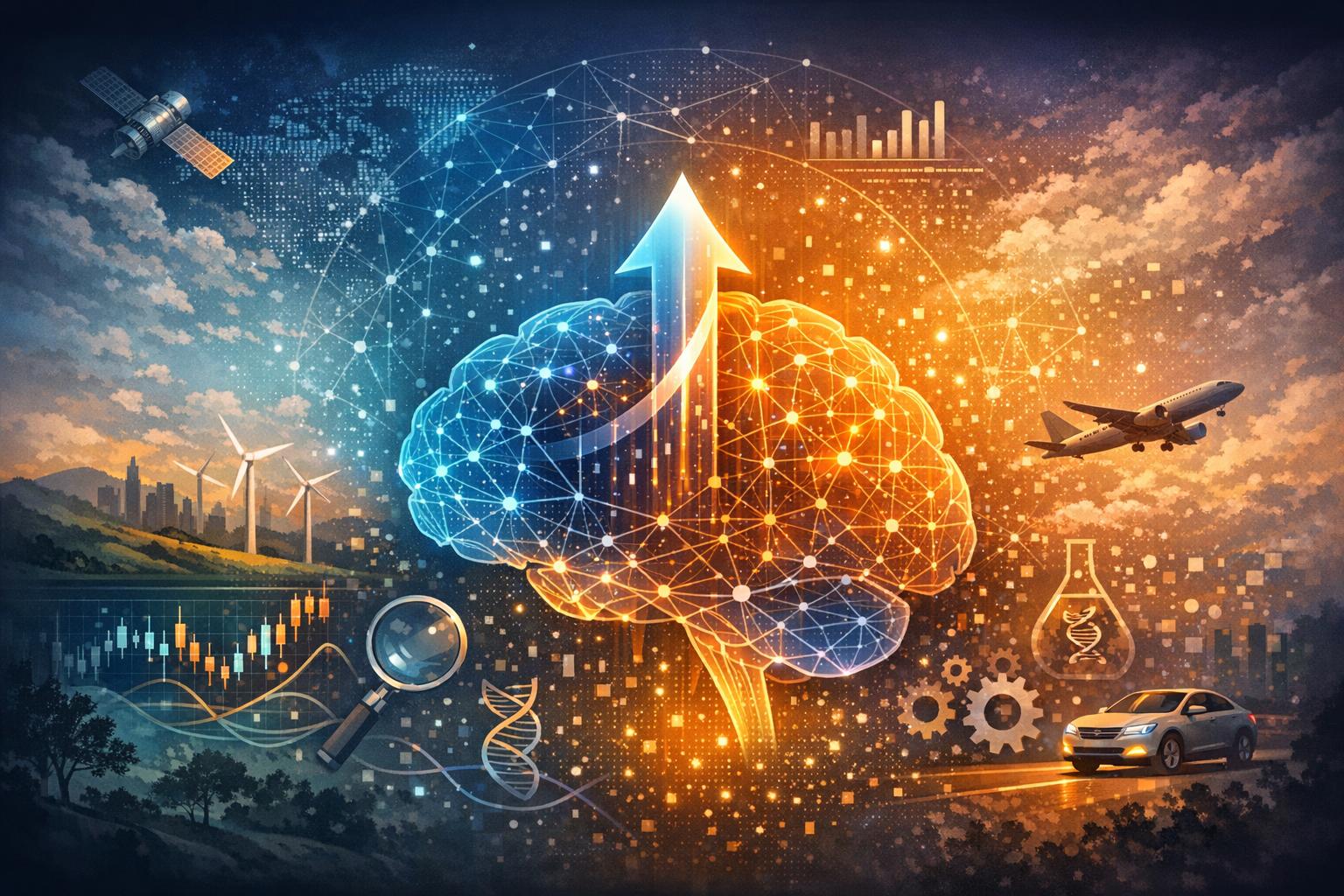
Leveraging Machine Learning for Predictive Decision Making
Integrating advanced algorithms into decision-making frameworks allows organizations to anticipate trends and optimize outcomes. By analyzing past data, machine learning models identify patterns that human analysis might overlook, providing a foundation for more informed strategic choices. Businesses can transition from reactive problem-solving to proactive planning by harnessing predictive insights, ultimately driving innovation and efficiency in increasingly competitive markets.
Key benefits include:
- Enhanced accuracy: Reducing errors in forecasts through continuous model refinement.
- Scalability: Applying solutions effortlessly across diverse departments and workflows.
- Real-time adaptation: Dynamically adjusting predictions as new data streams in.
| Industry | Request | Outcome |
|---|---|---|
| Finance | Risk assessment | Reduced credit defaults |
| Healthcare | patient prognosis | Improved treatment plans |
| Retail | Demand forecasting | Optimized inventory levels |
Strategies for Seamless Human and AI Collaboration
To harness the full potential of AI in modern workflows, organizations must prioritize a symbiotic relationship where human expertise and artificial intelligence complement each other. Establishing clear role definitions is critical; humans focus on creative problem-solving, emotional intelligence, and strategic decision-making, while AI handles data processing, pattern recognition, and repetitive task automation. Clear communication channels and continuous training programs ensure that teams remain agile, adapting swiftly to evolving AI capabilities without fear of obsolescence. Embedding AI oversight mechanisms also fosters trust by allowing human intervention to correct biases or errors, maintaining accountability.
Practical integration calls for deploying tools that support seamless handoffs between AI systems and human operators.For example,implementing interactive dashboards that provide real-time AI insights alongside contextual human annotations can accelerate decision cycles. The following table illustrates a sample workflow balance:
| Task Type | human Role | AI Role |
|---|---|---|
| Data Analysis | Interpret results, validate findings | Process large datasets, identify trends |
| Customer Support | Handle complex inquiries, show empathy | Automate FAQs, route cases |
| Content Creation | Generate ideas, edit and personalize | Draft initial text, suggest optimizations |
- Encourage experimentation: Allow teams to pilot AI-assisted workflows to identify the most effective collaboration patterns.
- focus on interoperability: Choose AI tools that integrate smoothly with existing systems to minimize friction.
- Promote feedback loops: Collect user insights continuously to fine-tune AI applications and training.
Implementing Scalable AI Solutions for Dynamic Business Environments
To achieve truly scalable AI solutions, businesses must architect systems that adapt fluidly to ever-changing operational demands. This involves deploying modular AI components that can be independently upgraded or expanded without disrupting existing workflows. leveraging cloud-native technologies and microservices enables rapid scaling while maintaining operational resilience. Key pillars for success include:
- Data agnosticism: Ensuring your AI models efficiently ingest and process diverse real-time data streams.
- Automated orchestration: Employing intelligent workflow automation to minimize manual interventions.
- Robust monitoring: Implementing continuous performance tracking to proactively optimize system behavior.
Organizations that embed intelligence deeply into their operational fabric gain a competitive edge through responsive and predictive capabilities.Consider the following framework for embedding adaptive AI:
| Component | Function | Benefit |
|---|---|---|
| Dynamic Data Pipelines | Ingest and normalize diverse inputs | Allows flexible, real-time analytics |
| Smart Decision Engines | Automate and optimize workflows | Enhances efficiency and reduces errors |
| Scalable Infrastructure | Seamless resource allocation | Ensures performance under load |
By synthesizing these elements, businesses position themselves to not only respond to market shifts swiftly but also to anticipate future trends, thereby embedding intelligence at the core of every decision.