
AI in Melody Composition Enhancing Creativity Through Algorithmic Harmony
At the core of modern melody composition lies a groundbreaking fusion of artificial intelligence and musical intuition. AI algorithms analyse vast datasets of existing melodies, extracting patterns of harmony, rhythm, and structure to generate unique sequences that push creative boundaries. This form of algorithmic harmony challenges traditional composition by offering not only new melodic ideas but also adaptive variations that respond dynamically to user input or emotional cues. Musicians and producers now gain access to an expansive toolkit that encourages experimentation, fostering a creative synergy between human artistry and machine precision.
Notably, AI-enhanced melody generation supports creativity through several key features:
- Pattern Recognition: Identifies and integrates complex harmonic progressions in real time.
- Style Adaptation: Emulates diverse musical genres or synthesizes novel styles.
- Interactive Collaboration: allows composers to modify AI-generated drafts, creating personalized outputs.
- Efficiency Boost: Accelerates the ideation phase, enabling more time for refinement and expression.
| Feature | Creative benefit | example Request |
|---|---|---|
| Real-time Melodic Variation | Spontaneous theme evolution | Live performance improvisation |
| Genre Morphing | Cross-genre innovation | Hybrid music production |
| Emotion-based Input | Expressive composition | Soundtracks & mood scoring |
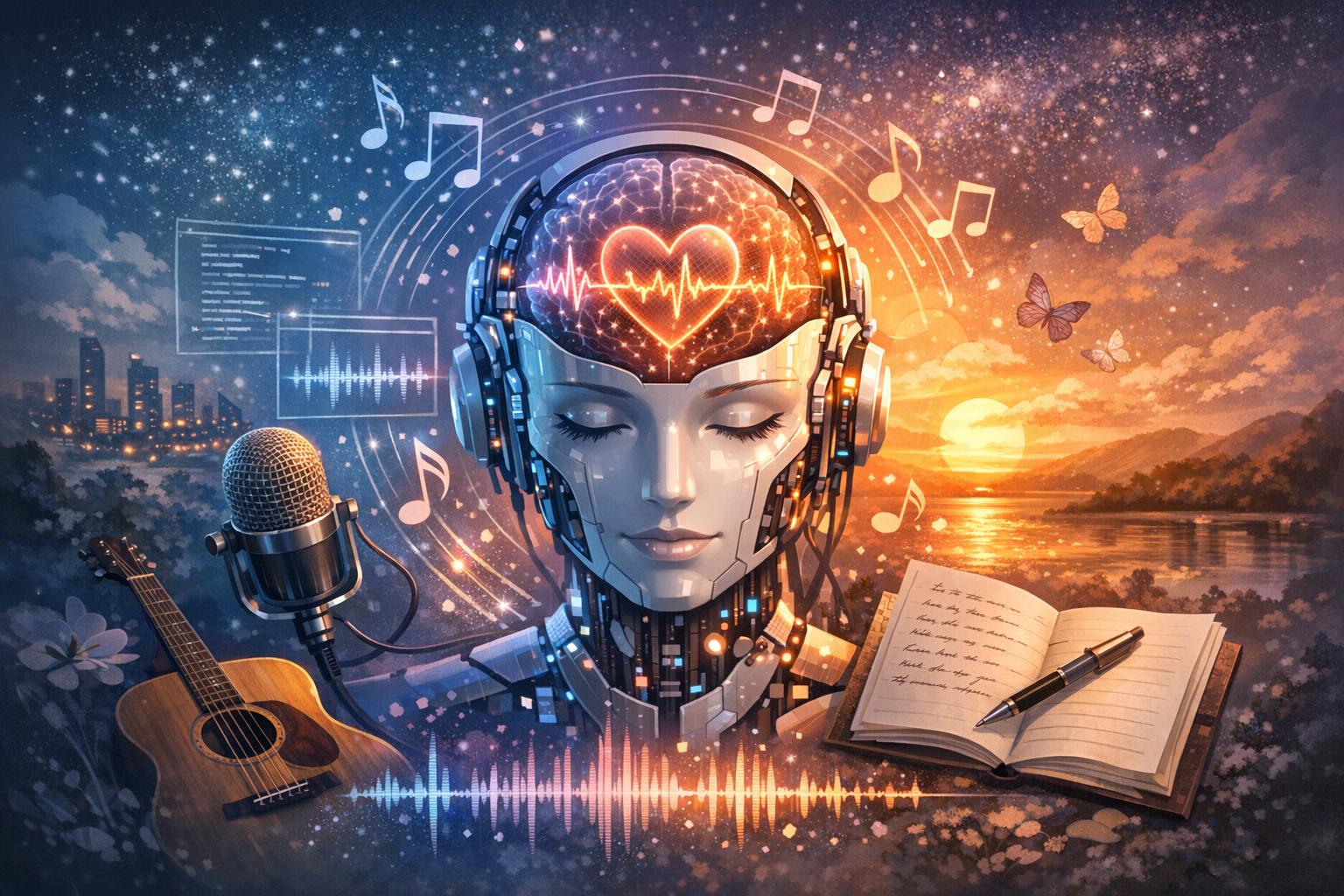
The Role of Artificial Intelligence in Crafting Emotionally Resonant Lyrics
AI algorithms have transformed the songwriting process by analyzing vast datasets of existing music and lyrical themes to identify emotional patterns that resonate with listeners. Using machine learning and natural language processing, AI can generate lyrics that not only fit musical structures but also evoke complex feelings such as nostalgia, hope, or melancholy. These systems evaluate word choice, rhythm, and cultural context to produce language with an authenticity that mirrors human creativity, enabling songwriters to explore novel emotional landscapes without losing the soul of their message.
Moreover, AI tools provide artists with dynamic ways to experiment with lyrical content through interactive platforms that suggest choice phrasings or thematic shifts. Below is a table illustrating key AI features that contribute to emotionally resonant lyric generation:
| AI Feature | Function | Emotional Impact |
|---|---|---|
| Sentiment Analysis | Detects emotional tone in words | Ensures mood consistency |
| Contextual Understanding | Interprets cultural and thematic references | Enhances lyrical depth |
| Creative Suggestions | Offers alternative lyric options | Boosts expressiveness |
| Adaptive Learning | Improves over time based on feedback | Increases authenticity |
- Emotional nuance: AI enables layering subtle feelings within lyrics.
- Personalized content: Lyrics generated can adapt to the artist’s unique style.
- Cross-genre influence: AI blends emotional motifs from diverse musical genres.
Advancements in Synthetic Voices Transforming Vocal Performance in Music
The evolution of synthetic voices has revolutionized the landscape of vocal performance in music, allowing artists and producers to expand creative boundaries in unprecedented ways. Cutting-edge AI-driven voice synthesis tools now enable realistic expression in tone,timbre,and emotion,closely mimicking human nuances without traditional vocal constraints. This technology empowers musicians to generate captivating vocal tracks even in the absence of a live singer, facilitating efficient experimentation and collaboration across genres. Moreover, synthesis engines are increasingly adapted to replicate diverse vocal styles, from soulful ballads to high-energy rap, offering limitless artistic versatility.
Among the standout benefits, several key features differentiate advanced synthetic voices:
- Customizable voice profiles: artists can tailor vocals to specific moods or character traits, personalizing the delivery to fit their vision.
- Real-time modulation: Dynamic control over pitch, vibrato, and articulation enhances expressiveness during live performances or studio production.
- Multilingual capabilities: synthetic voice platforms increasingly support multiple languages,broadening access and applicability globally.
- Seamless integration: Built-in compatibility with popular digital audio workstations streamlines workflow and adoption.
| Feature | Impact on Music Creation |
|---|---|
| Emotion Synthesis | Enables authentic emotional delivery in synthesized vocals |
| Voice Morphing | Allows smooth transitions between vocal styles and characters |
| phrase Prediction | Accelerates songwriting through smart vocal phrasing suggestions |
| Adaptive Timbre | Customizes vocal tone to suit any genre or mood |
Best Practices for Integrating AI Tools in Music Production Workflows
When incorporating AI tools into your music production workflow, it is essential to maintain a balance between technology and creativity.Relying solely on AI-generated content can risk diluting your artistic voice; therefore,use these tools as collaborators rather than replacements. Experiment with AI-generated melodies,lyrics,and vocal textures to spark new ideas or overcome creative blocks,but always refine and personalize the results.Additionally, integrating AI tools that allow hands-on control-such as adjustable parameters for mood, style, and complexity-enables you to preserve your unique sound while benefiting from computational ingenuity.
To optimize efficiency and output quality, establish a structured workflow that prioritizes AI integration at specific stages rather than throughout the entire process. For instance, deploy AI during initial brainstorming to generate diverse melodic ideas or lyric concepts, then switch to manual editing and arrangement to shape the final composition. The table below outlines practical stages where AI can most effectively complement traditional music production roles:
| Production Stage | AI Role | Best Practice |
|---|---|---|
| Idea Generation | melody and lyric generation | Use AI tools as creative starting points |
| Arrangement | Harmony and structure suggestions | Incorporate AI recommendations selectively |
| Sound Design | Voice synthesis and effect presets | Customize AI presets to enhance originality |
| Final Editing | Mixing assistance | Use AI for balancing,then manually adjust |