
The Intersection of Artificial Intelligence and Knowledge Workflows
Artificial Intelligence (AI) is transforming how knowledge workers approach complex tasks, enabling unprecedented productivity gains. At the core of this change is the intelligent design of workflows that integrate AI tools not as mere assistants but as collaborators. When thoughtfully implemented, AI can streamline facts synthesis, automate routine decision-making, and enhance cognitive capacity by providing timely insights. However, the effectiveness hinges on aligning AI capabilities with human expertise, ensuring that tools augment rather than disrupt the natural workflow.
Key design considerations include:
- User-Centric Interfaces: Intuitive AI platforms tailored to the specific needs of knowledge workers reduce friction and accelerate adoption.
- Contextual Awareness: Systems must comprehend the nuances of domain-specific tasks to provide relevant, actionable recommendations.
- Seamless Integration: AI should operate smoothly with existing software ecosystems to preserve workflow continuity.
| Workflow Element | AI Contribution |
|---|---|
| Information Gathering | Automated data extraction & aggregation |
| Analysis | Pattern recognition & predictive modeling |
| Decision Support | Contextual recommendations & risk assessment |
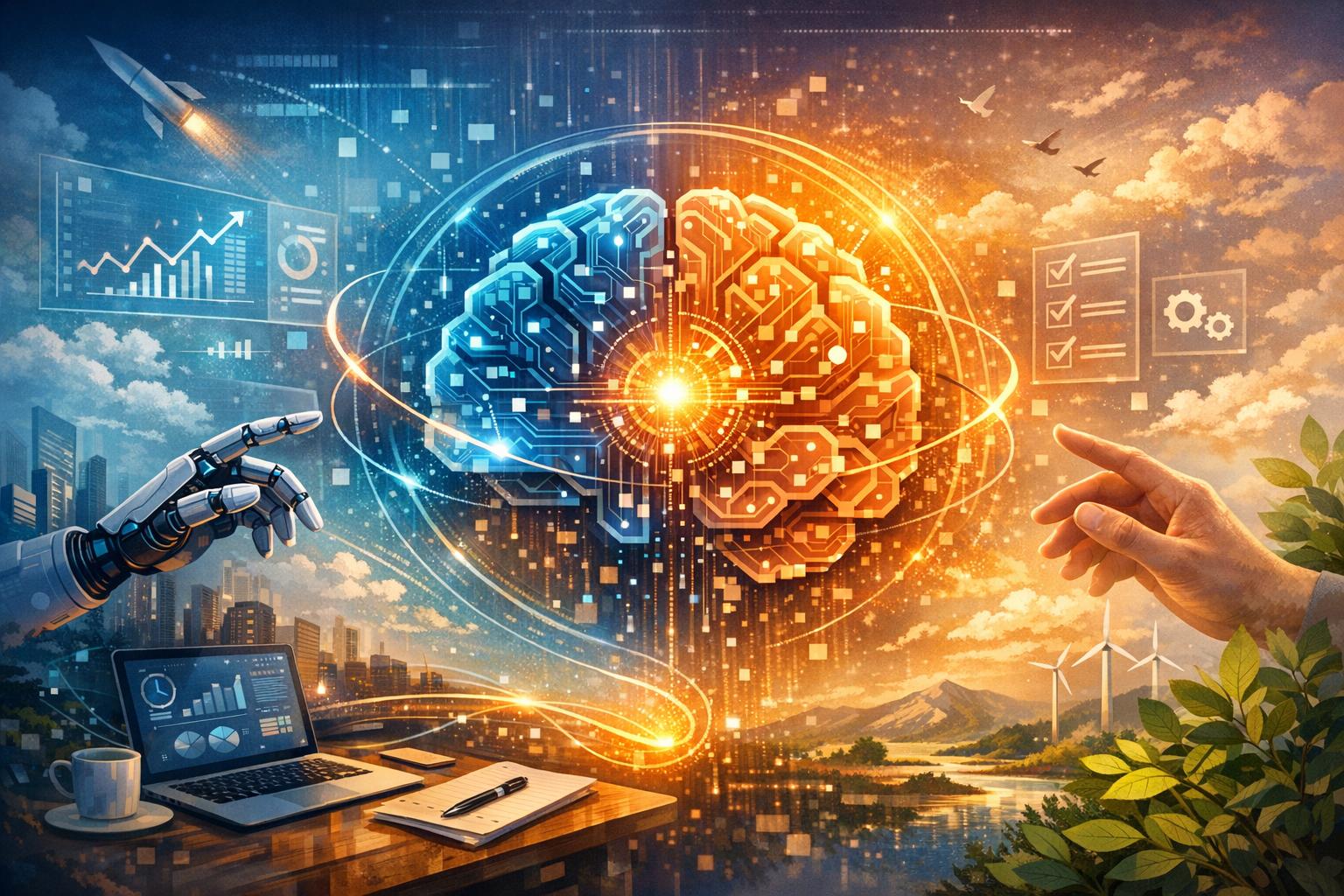
Design Principles for Maximizing AI-driven Productivity Enhancements
Effective integration of AI tools into knowledge work hinges on a foundation of thoughtful design that respects human workflows and cognitive processes. Central to this approach is the principle of user-centricity, where AI systems are tailored to anticipate user needs and provide contextual insights without overwhelming the user with unneeded data. Design must prioritize seamless interaction, ensuring that AI-driven suggestions complement rather than disrupt existing routines. Transparency in AI decision-making enhances trust, empowering knowledge workers to confidently leverage AI outputs while retaining ultimate control over critical judgments.
Another key principle involves adaptability and flexibility embedded in AI tools, allowing customization that aligns with diverse task requirements and individual working styles. This fosters an surroundings where AI acts as an augmentative partner, not a rigid directive force. Below is a concise overview of foundational design elements that maximize productivity through AI integration:
| Design Element | Impact on Productivity | Example Features |
|---|---|---|
| Context Awareness | Reduces cognitive load by providing relevant data onyl | Real-time data filtering, task-specific suggestions |
| Interoperability | Enables smooth workflow across multiple platforms | API access, cross-application integration |
| Feedback Loops | Improves AI accuracy via continuous learning | User corrections, iterative model updates |
Challenges and Pitfalls in AI Integration for Knowledge Professionals
Integrating AI into the workflows of knowledge professionals often encounters a myriad of obstacles that can derail intended productivity improvements. One significant issue stems from the complexity of properly designing AI tools that align with existing cognitive patterns and task requirements. Without deliberate adaptation, AI systems can overwhelm users with excessive or irrelevant data, leading to decision fatigue rather than enhancement. Additionally, inadequate training and lack of transparency about AI decision-making undermine trust, which is essential for adoption and effective collaboration between human experts and intelligent systems.
Operational challenges further complicate the deployment of AI solutions. These include:
- Data Quality and Bias: Flawed or biased datasets can skew AI outputs,resulting in misinformation and poor recommendations.
- Integration with Legacy Systems: Compatibility issues hinder seamless workflow integration, creating friction rather than fluidity.
- Privacy and Security Concerns: Ensuring compliance with data protection laws and safeguarding sensitive information adds layers of complexity.
- Overreliance on Automation: Excessive dependence on AI risks devaluing human judgment and critical thinking.
| Challenge | Impact | Mitigation Strategy |
|---|---|---|
| Bias in training data | Undermines AI reliability | Diverse,curated datasets |
| System incompatibility | Disrupts workflow continuity | Incremental integration and API design |
| Privacy risks | Legal and ethical liabilities | Robust encryption and compliance audits |
Strategic Recommendations for Effective AI Adoption and Implementation
Elevating AI integration begins with a clear alignment of technology and human workflows. Organizations must focus on designing AI tools that complement knowledge workers’ existing processes rather than overhaul them abruptly. This involves actively involving end-users in the growth phase to ensure the AI enhances rather than disrupts their productivity. effective adoption hinges on providing intuitive interfaces, relevant feedback loops, and adaptive learning systems that evolve through user interaction. crucially, AI solutions should emphasize augmenting decision-making capabilities by automating routine tasks, thereby freeing up time for creative and strategic work.
To maximize gains, strategic implementation requires a phased approach centered on continuous evaluation and training. Consider the following foundational tactics:
- Iterative Deployment: Roll out AI systems in stages, allowing for adjustment based on real-world feedback and minimizing resistance.
- Skill Development: Invest in upskilling knowledge workers to leverage AI tools effectively, fostering a partnership between human insight and machine efficiency.
- Data governance: Maintain strict standards on data quality and ethical AI use to build trust and safeguard decision integrity.
| Phase | Key Focus | Expected Outcome |
|---|---|---|
| Preparation | User Involvement & Needs assessment | Customized AI Solutions |
| Implementation | Gradual Rollout & feedback Collection | Smooth Transition |
| Optimization | Ongoing Training & System Refinement | Maximized Productivity |