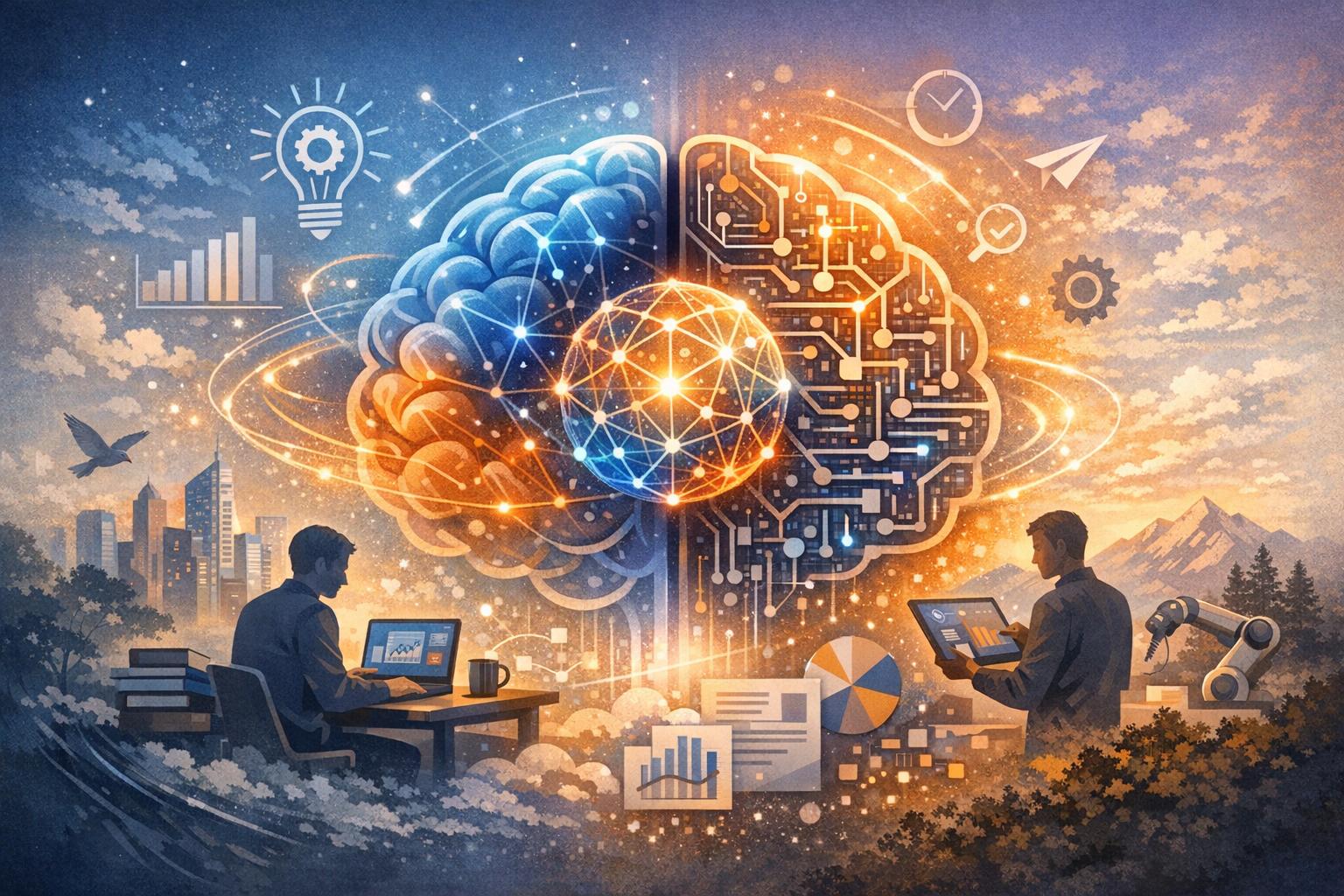
AI Integration in knowledge Workflows Enhancing Efficiency Through Strategic Design Tailoring AI Tools to Support Cognitive Tasks Optimizing Human-AI Collaboration for Maximum Productivity
Maximizing the impact of AI in knowledge workflows requires an intentional design approach that goes beyond simple automation. AI tools must be tailored to the nuanced cognitive demands of knowledge workers, supporting critical thinking, problem-solving, and decision-making rather than merely replacing routine tasks. strategic integration focuses on aligning AI’s capabilities with specific workflow stages, thereby enhancing task relevance and reducing cognitive overload. For instance, clever advice systems can be embedded during the research phase to surface pertinent insights, while dynamic summarization tools assist during review, enabling users to filter and synthesize information rapidly without losing context.
Optimizing human-AI collaboration hinges on designing interfaces and interactions that prioritize seamless dialog and adaptive learning. Key characteristics enabling productive partnerships include:
- clarity: Clear explanations of AI outputs build trust and empower knowledge workers to validate or challenge suggestions.
- Versatility: allowing users to customize AI behavior according to changing project needs preserves human autonomy and creativity.
- Context-awareness: Systems that understand situational factors improve relevance and timing of AI interventions.
| Design Element | AI Function | Benefit to worker |
|---|---|---|
| Contextual Alerts | real-time relevance filtering | Minimizes distractions |
| Feedback Loops | Adaptive learning from user input | Improves accuracy and trust |
| Customizable Controls | User-driven parameter adjustments | enhances creative freedom |
Thoughtful design enhances the symbiosis between knowledge workers and AI, translating into measurable productivity gains across varied cognitive domains.