
AI-Driven Synthetic Documents and Their Role in Modern Identity Theft
Artificial intelligence has ushered in an era where synthetic documents are no longer the realm of fiction but a tangible threat in modern identity theft. These AI-generated synthetic identities combine fabricated personal details with real data harvested from breaches, creating documents so convincing they can evade traditional detection systems. Criminals leveraging these synthetic documents can open fraudulent accounts, secure loans, or commit tax fraud, all while remaining undetected for extended periods. The sophistication of this technology means that even expert examiners struggle to discern fake from real, as unseen patterns and anomalies are meticulously eliminated through machine learning algorithms.
Alongside fake paperwork,AI voice mimicry compounds the risk by allowing fraudsters to convincingly replicate a victim’s voice,facilitating social engineering attacks and unauthorized access to voice-activated security systems. Key features exploited by these technologies include:
- Hyper-realistic synthetic IDs: Posing as real government or financial documents.
- AI voice cloning: Enabling fraudulent authentication calls and commands.
- Automated identity synthesis: Blending stolen and fabricated data at scale.
| Threat Vector | Typical Use Case | Detection Difficulty |
|---|---|---|
| Synthetic Documents | Loan application fraud | High |
| Voice Mimicry | Accessing voice ID systems | Moderate to high |
| combined Attacks | Account takeover & impersonation | Very High |
The growing prevalence of these technologies necessitates robust multi-layered defenses, including AI-powered anomaly detection, biometric cross-verification, and continuous user behavior monitoring to stay ahead of increasingly deceptive fraudulent tactics.
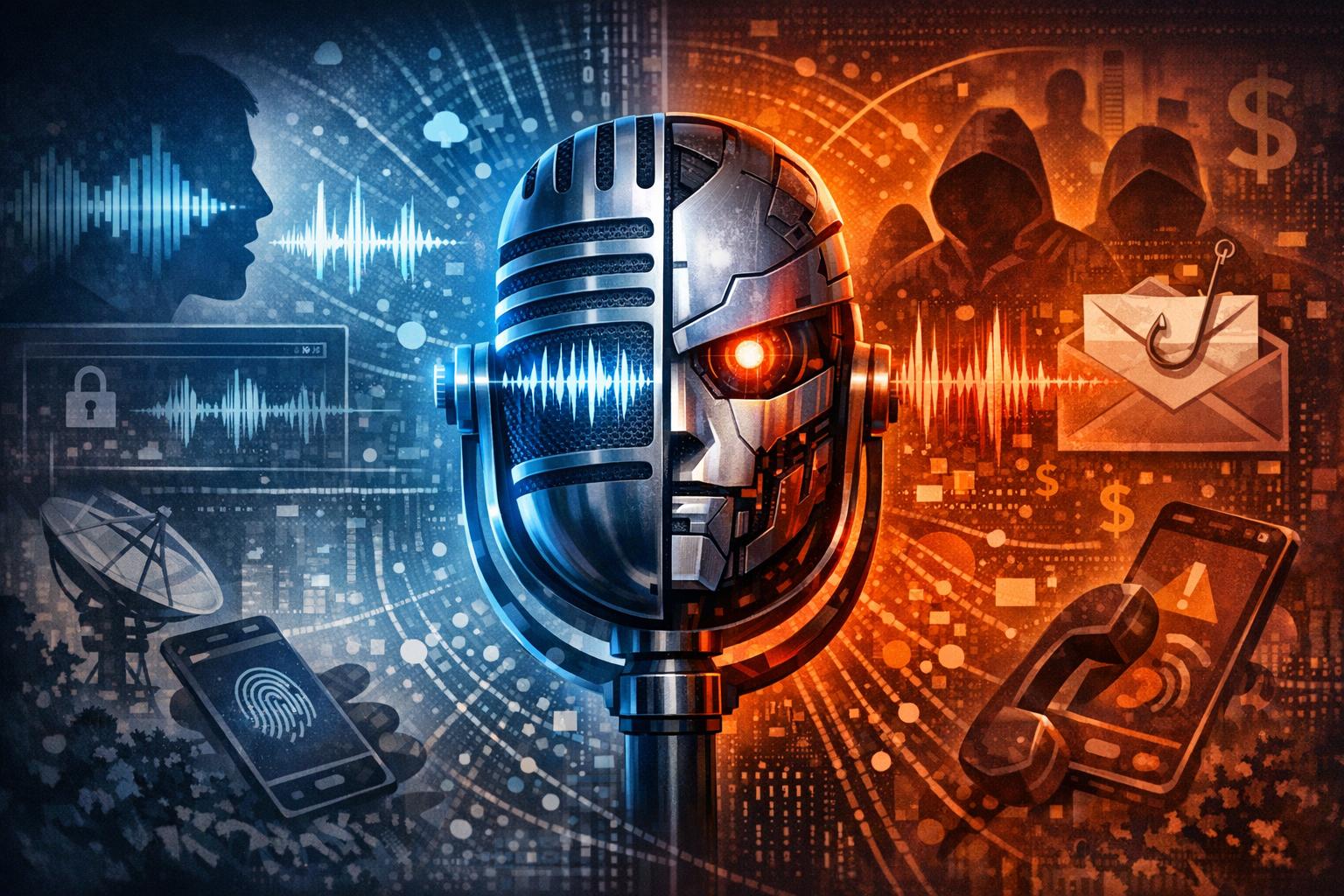
The mechanics and Threats of Voice Mimicry in Fraudulent Activities
voice mimicry technology leverages advanced AI algorithms to replicate an individual’s vocal characteristics with alarming accuracy. By inputting samples of a person’s speech, these systems analyze tone, pitch, cadence, and unique speech patterns to generate synthetic voice clips virtually indistinguishable from the original speaker. Fraudsters exploit this capability to impersonate trusted figures, enabling unauthorized access to sensitive details, financial accounts, and secure services. The underpinning mechanics involve deep learning models such as WaveNet or GANs, which synthesize natural-sounding audio, making traditional security protocols like voice recognition alarmingly vulnerable.
Common threats arising from voice mimicry in fraudulent contexts include:
- Social engineering attacks where criminals convince victims or employees to divulge confidential data.
- Bypassing multi-factor authentication systems reliant on voice biometrics.
- Impersonation in telecommunication frauds, leading to unauthorized financial transactions.
| Technique | Risk Level | Typical Use Cases |
|---|---|---|
| Voice Cloning | High | Phishing calls, financial fraud |
| Speech synthesis | Medium | Fake customer support, impersonations |
| Deepfake Conversations | Very High | Corporate espionage, identity theft |
Evaluating the Vulnerabilities in Current Identity Verification systems
Modern identity verification methods often rely heavily on superficial traits such as document authenticity and subtle biometric markers. However, the rapid advancement of AI technologies, especially in generating synthetic documents and mimicking voices, has exposed critical weaknesses. These systems frequently depend on static data points that can be replicated with increasing precision by malicious actors utilizing AI-driven tools. This vulnerability is exacerbated by insufficient cross-checking mechanisms and a lack of real-time anomaly detection, creating exploitable openings for identity thieves.
Key vulnerabilities include:
- Over-reliance on printed or digital document images without deeper forensic scrutiny
- Voice recognition systems that can be deceived by advanced voice synthesis and deepfake audio
- Limited incorporation of behavioral biometrics or continuous authentication techniques
- Inadequate use of multi-factor verification incorporating secure hardware tokens or cryptographic challenges
| Verification Method | Common Exploit | Impact Severity |
|---|---|---|
| Document Scanning | AI-generated synthetic documents | High |
| Voice Biometrics | Voice mimicry with deepfake algorithms | medium to High |
| Photo ID Matching | Photo swapping and AI-generated faces | Medium |
| Password Authentication | Credential phishing and AI-assisted guessing | High |
Proactive Strategies and Technological Defenses to Combat AI-based Identity Frauds
The rapid advancement of AI technologies necessitates an equally swift evolution in defense mechanisms to safeguard identities. Leveraging multi-factor authentication combined with behavioral biometrics provides a robust barrier against synthetic document fraud and voice mimicry. As an example, integrating fingerprint or facial recognition with dynamic voice pattern analysis ensures that impersonators using AI-generated voices or forged IDs are flagged effectively. Additionally, organizations are deploying AI-driven anomaly detection systems that constantly monitor for irregular authentication patterns, stopping fraudulent activities before they escalate.
- Continuous authentication: Verifies identity throughout a session, not just at login.
- Blockchain-based identity verification: Creates tamper-proof, decentralized identity records.
- AI-powered document forensics: Analyzes metadata and micro-details to identify fake synthetic documents.
| Technological Defense | Key Feature | Benefit |
|---|---|---|
| Behavioral Biometrics | Analyzes user interaction patterns | Detects anomalies beyond passwords |
| AI Anomaly Detection | Monitors unusual access behaviors | Prevents real-time identity fraud |
| Blockchain Verification | Decentralized identity tracking | Ensures data integrity and trust |